



Lamar Odom Opens Up About His Journey: From Darkness to Light
Finding Purpose Through Pain
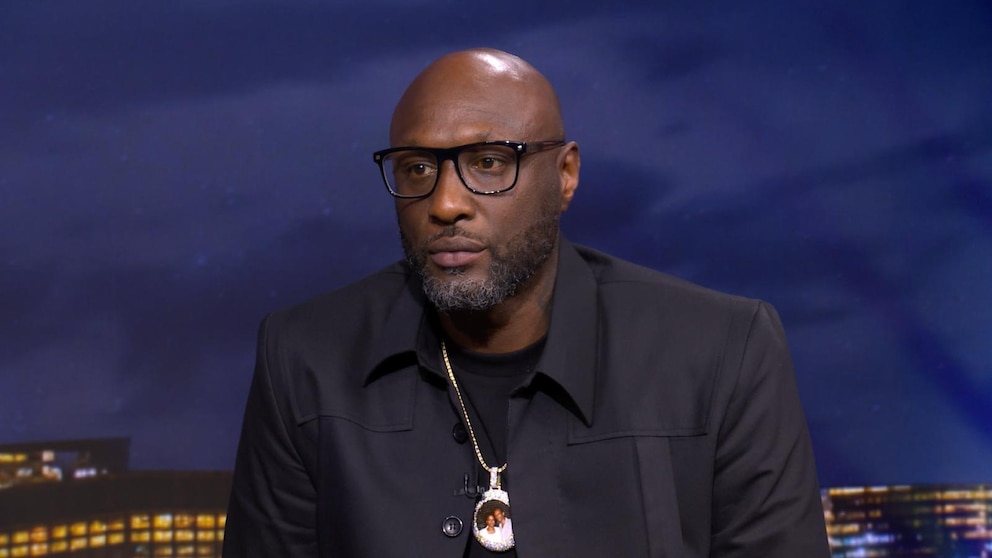
Lamar Odom, the two-time NBA champion whose life has been marked by extraordinary athletic achievement and devastating personal struggles, is speaking out with a powerful message of hope. In a candid conversation with ABC News’ Linsey Davis, Odom revealed that his primary motivation for sharing his story publicly is to serve as a beacon for others trapped in the suffocating grip of addiction and despair. “I hope my testimony will help pull people out of that dark hole,” he shared, his words carrying the weight of someone who has stared into the abyss and managed to climb back out. As the subject of Netflix’s gripping “Untold” documentary series, Odom has allowed cameras and journalists unprecedented access to his journey, not for fame or sympathy, but because he genuinely believes that transparency about his struggles might save someone else’s life. His willingness to be vulnerable about his lowest moments—the addiction, the near-fatal overdose, the broken relationships—stands as a testament to his growth and his commitment to turning his pain into purpose. For Odom, who once seemed to have everything a person could want, from championship rings to celebrity status, the fall from grace was swift and brutal, but the climb back has given him something more valuable than any trophy: perspective, humility, and a genuine desire to help others avoid the pitfalls that nearly claimed his life.
The Near-Death Experience That Changed Everything
The story of Lamar Odom’s near-death experience in October 2015 remains one of the most harrowing celebrity overdose stories in recent memory. Found unconscious in a Nevada brothel, Odom had suffered multiple strokes and kidney failure after a days-long binge involving cocaine and other substances. Doctors gave him mere hours to live, and for days he remained in a coma while the world watched and waited. When he finally regained consciousness, he faced a long and uncertain road to recovery—one that involved relearning basic functions many of us take for granted. In his conversation with Linsey Davis, Odom reflected on those dark days with the clarity that only comes from survival and deep introspection. He described the experience as a wake-up call that couldn’t be ignored, a moment when his body quite literally shut down from the abuse he’d subjected it to for years. What makes Odom’s account particularly powerful is his honesty about how close he came to never waking up at all, and how that proximity to death fundamentally altered his understanding of what truly matters in life. He speaks now about that period not with pride in having survived, but with genuine gratitude for a second chance that he knows many people in similar situations never receive. The physical recovery was challenging, but the mental and emotional work of confronting why he’d reached that point proved even more difficult—and ultimately more transformative.
The Long Road to Sobriety
Sobriety, as Lamar Odom candidly acknowledges, isn’t a destination but an ongoing journey—one that requires daily commitment, constant vigilance, and the humility to ask for help. In his discussion with ABC News, Odom opened up about the realities of maintaining sobriety in a world where temptation lurks around every corner, particularly for someone with his history and public profile. Unlike the fairy tale narratives we often see in Hollywood, where a single dramatic moment leads to instant transformation, Odom’s path has been marked by setbacks, relapses, and the hard work of rebuilding trust—with himself and others. He spoke about the importance of accountability, surrounding himself with people who genuinely care about his wellbeing rather than those who enable destructive behavior, and developing coping mechanisms for stress and emotional pain that don’t involve substances. What stands out in Odom’s testimony is his refusal to position himself as someone who has “conquered” addiction; instead, he speaks as someone in continuous recovery, aware that the battle against addiction is never truly won but rather managed day by day. This honesty is crucial, as it provides a realistic picture for others struggling with similar demons—recovery isn’t about perfection but about progress, about choosing each day to move forward even when every fiber of your being wants to retreat to familiar, destructive patterns. Odom also discussed the therapeutic approaches that have helped him, from traditional counseling to more holistic methods, emphasizing that recovery looks different for everyone and that finding the right combination of support systems is essential for long-term success.
Healing the Wounds: Repairing Relationships With His Children
Perhaps the most emotionally resonant part of Lamar Odom’s interview with Linsey Davis centered on his efforts to rebuild the relationships with his children—bonds that were severely damaged by years of addiction, absence, and broken promises. For any parent struggling with substance abuse, the guilt and shame associated with how their behavior has impacted their children can be overwhelming, sometimes becoming another reason to continue using rather than face the pain head-on. Odom didn’t shy away from this difficult topic, acknowledging with evident emotion the ways his addiction had hurt the people he loved most. He spoke about missed birthdays, forgotten commitments, and the look of disappointment in his children’s eyes when he chose substances over their needs time and again. Now, in sobriety, he’s doing the painstaking work of earning back their trust—not through grand gestures or expensive gifts, but through consistency, presence, and genuine change. This process, he admits, has been one of the most challenging aspects of his recovery because, unlike physical rehabilitation, there’s no clear timeline for healing emotional wounds. His children had to learn to protect themselves from further disappointment, which meant building walls that now take time and patience to dismantle. Odom expressed understanding for their hesitation, recognizing that his words alone aren’t enough—his actions over months and years must demonstrate that this change is real and lasting. He shared moments of breakthrough, small victories where he’s been able to show up for his children in ways he couldn’t before, and the profound joy these moments bring him, far exceeding any high he ever chased through substances.
The Power of Vulnerability and Public Testimony
In an era where celebrities often carefully curate their public images, projecting perfection and success while hiding their struggles, Lamar Odom has taken a radically different approach. By participating in the Netflix “Untold” documentary series and conducting in-depth interviews like the one with ABC News, he’s chosen radical transparency—sharing the ugliest, most painful parts of his journey alongside the triumphs. This decision wasn’t made lightly; it required him to relive traumatic experiences, expose his vulnerabilities to public scrutiny, and risk judgment from those who might not understand the complexities of addiction. Yet Odom believes this vulnerability is precisely what makes his testimony powerful and potentially life-saving for others. When he says he hopes his story will “pull people out of that dark hole,” he’s speaking from the knowledge that seeing someone else’s struggle and recovery can be the spark that ignites change in another person’s life. There’s profound courage in allowing yourself to be seen in your brokenness, not just your restored state, because it’s in that brokenness that others recognize themselves and realize they’re not alone. Odom’s willingness to discuss his failures, not just as abstract concepts but as concrete moments with real consequences, creates a bridge of empathy that reaches people who might otherwise feel isolated in their struggles. He’s using his platform—earned through athletic excellence but maintained now through authentic human connection—to normalize conversations about addiction, mental health, and recovery, helping to chip away at the stigma that prevents so many people from seeking help.
Looking Forward: A Life Redefined
As Lamar Odom looks toward the future, it’s clear that his definition of success has fundamentally shifted. The man who once measured his worth in points scored, championships won, and celebrity status now finds meaning in much simpler, more profound things: another day of sobriety, a meaningful conversation with one of his children, the opportunity to share his story with someone who needs to hear it. This recalibration of values, while born from tragedy and near-death, represents a kind of rebirth—a chance to build a life based not on external validation but on internal peace and genuine connection with others. In his interview with Linsey Davis, Odom spoke about his ongoing work in recovery communities, his desire to develop programs that help others struggling with addiction, and his commitment to showing up authentically in all areas of his life. He’s also learning to forgive himself, perhaps the most difficult task of all, recognizing that while he cannot change the past, he can influence the present and future through his choices today. The road ahead isn’t without challenges—addiction recovery is a lifelong process, and there will undoubtedly be difficult days—but Odom faces it with a humility and determination that contrasts sharply with the bravado of his playing days. His story serves as a powerful reminder that it’s never too late to change course, that our lowest moments don’t have to define us, and that sharing our struggles might be the very thing that gives them meaning. By pulling himself out of that dark hole and now reaching back to help others climb out, Lamar Odom is discovering that redemption isn’t just about saving yourself—it’s about extending that same possibility to others still fighting their way toward the light.