
MLB Marks Jackie Robinson Day Across the League: Celebrating a Legacy That Changed Baseball Forever
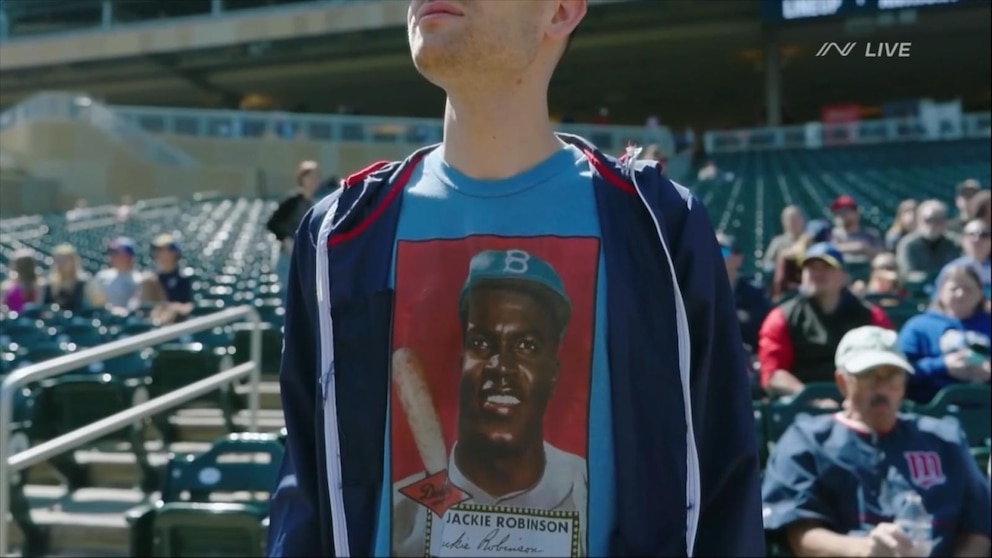
Every year on April 15th, Major League Baseball pauses to honor one of the most significant figures in sports history—Jackie Robinson. This annual celebration, known as Jackie Robinson Day, is unlike any other commemoration in professional sports. It’s a day when every player, coach, and umpire across all 30 MLB teams wears the number 42, creating a powerful visual reminder of the courage, dignity, and excellence that Robinson brought to America’s pastime. What makes this tribute even more remarkable is that number 42 was permanently retired across all of Major League Baseball in 1997, making Robinson the only player to receive such an honor. For one special day each year, however, his number comes back to life on the backs of hundreds of players, serving as a living testament to his enduring impact on baseball and society at large.
The significance of Jackie Robinson Day extends far beyond the baseball diamond. When Robinson broke baseball’s color barrier on April 15, 1947, by taking the field for the Brooklyn Dodgers, he did more than just play a game—he challenged the deeply entrenched racial segregation that had kept talented Black players out of the major leagues for decades. Robinson’s debut came during a time when America was still deeply divided by race, when segregation was legal in many states, and when the idea of Black and white athletes competing together was considered radical by many. Yet Robinson faced this immense pressure with remarkable grace and determination. Despite enduring racist taunts from fans, threats against his life, and even hostility from some of his own teammates, Robinson let his performance speak for itself. He went on to become Rookie of the Year in 1947, a six-time All-Star, and the National League’s Most Valuable Player in 1949. His ten-year career with the Dodgers culminated in his induction into the Baseball Hall of Fame in 1962, but his legacy extends far beyond his impressive statistics and accolades.
A Day of Remembrance and Reflection
On Jackie Robinson Day, MLB doesn’t simply ask players to wear a number; the league organizes a comprehensive celebration that includes special ceremonies, educational programs, and community outreach initiatives. Before games across the country, teams hold special pre-game ceremonies that often include video tributes to Robinson’s life and career, performances of “Take Me Out to the Ball Game” with special lyrics honoring Robinson, and appearances by civil rights leaders, Robinson’s family members, and figures from the Negro Leagues. Many stadiums feature special exhibits showcasing artifacts from Robinson’s career, photographs from the era when he played, and educational materials about the Negro Leagues and the integration of baseball. Players often participate in discussions about Robinson’s legacy, sharing what his courage means to them personally and how his example continues to inspire athletes today. For younger players, particularly those who are part of baseball’s increasingly diverse roster of talent from the United States, Latin America, Asia, and beyond, Jackie Robinson Day serves as an important reminder that the opportunities they enjoy today came at a great cost and required tremendous sacrifice from pioneers like Robinson.
The MLB also uses Jackie Robinson Day to launch and promote various initiatives aimed at increasing diversity and inclusion within the sport. The league has established scholarship programs in Robinson’s name, created youth development programs in underserved communities, and worked to expand baseball’s reach to communities where the sport has traditionally had less presence. These efforts address a concern that has been growing in recent years: the declining percentage of African American players in Major League Baseball. While Robinson opened the door for Black players in 1947, and while players of color from various backgrounds now make up the majority of MLB rosters, the percentage of African American players has decreased significantly since the 1970s and 1980s. Jackie Robinson Day serves as an opportunity to address these disparities head-on, with the league and individual teams making commitments to programs that will help ensure baseball remains accessible and appealing to all communities, regardless of economic status or racial background.
The Personal Stories Behind the Number
What makes Jackie Robinson Day particularly moving are the personal stories that emerge from players about what wearing number 42 means to them. For many African American players, the opportunity to wear Robinson’s number is deeply emotional, connecting them directly to a man who made their careers possible. Players have spoken about how their parents and grandparents told them stories about Robinson, about listening to his games on the radio or attending Negro League games before integration. For players from Latin America and Asia, Robinson’s legacy resonates as well, as his breaking of baseball’s color barrier paved the way for international players who have become such an integral part of the modern game. Some players have shared stories about visiting the Jackie Robinson Museum, speaking with Rachel Robinson (Jackie’s widow, who remained a powerful advocate for her husband’s legacy until her passing at age 100 in 2023), or participating in youth clinics where they could share Robinson’s story with the next generation. These personal connections transform Jackie Robinson Day from a corporate celebration into something more authentic and meaningful—a genuine expression of gratitude from the baseball community to a man who changed the game forever.
The tradition of every player wearing number 42 creates some unique moments as well. Teammates who normally wear different numbers suddenly appear indistinguishable by their jerseys, a visual representation of equality and unity. Broadcasters have to work a bit harder to identify players during the game, often relying on other uniform details, body types, or batting stances. Some players who already wear number 42 during the regular season—as players have been allowed to continue wearing it if they were already doing so before the league-wide retirement—experience a special connection to Robinson year-round. Perhaps most notably, Mariano Rivera, the legendary New York Yankees closer, was the last player to wear number 42 regularly, as he had worn it before the retirement and was grandfathered in. When Rivera retired in 2013, it marked the end of an era, ensuring that going forward, number 42 would only appear on MLB fields on this one special day each year.
A Legacy That Transcends Baseball
The true measure of Jackie Robinson’s impact extends far beyond his athletic achievements or even his role in integrating baseball. Robinson understood that his position gave him a platform, and he used it to advocate for civil rights throughout his life. After retiring from baseball, he remained active in the civil rights movement, working alongside leaders like Martin Luther King Jr. and using his fame to draw attention to ongoing racial injustices. He worked in business, politics, and community development, always seeking ways to create opportunities for others. Robinson’s life demonstrated that breaking barriers was not a one-time act but an ongoing commitment to justice and equality. This broader legacy is what Jackie Robinson Day ultimately celebrates—not just a great ballplayer, but a great American who used sports as a vehicle for social change.
In today’s world, where athletes across all sports increasingly use their platforms to speak out on social issues, Jackie Robinson’s example remains as relevant as ever. He showed that athletes could be more than entertainers, that they could be agents of change while still excelling at their craft. When modern players speak out about racial justice, economic inequality, or other social concerns, they’re following a path that Robinson helped establish. Jackie Robinson Day reminds us that sports have always been intertwined with larger social movements, and that the games we love have the power to bring people together and challenge us to be better. As fans fill stadiums each April 15th and see a sea of number 42s on the field, they’re witnessing more than a tribute to one man—they’re seeing a commitment from baseball to continue working toward the equality and inclusion that Robinson fought for throughout his life, a reminder that while progress has been made, the work continues, and that Robinson’s courage still inspires us to face our own challenges with dignity, determination, and hope for a better future.