
Press Freedom Reaches Historic Low Point Worldwide
A Quarter Century of Decline Comes to a Head
In a sobering assessment of the state of journalism around the world, Reporters Without Borders (RSF) has issued a stark warning: press freedom has plummeted to its lowest level in twenty-five years. The media rights organization, which has been tracking press freedom globally since the turn of the millennium, revealed that for the first time in its history, more than half of all countries surveyed now fall into either “difficult” or “very serious” categories when it comes to the ability of journalists to work freely and safely. This milestone represents not just a statistical low point, but a fundamental shift in how information flows—or fails to flow—to billions of people worldwide. The average score across all 180 countries and territories examined has reached an unprecedented nadir, suggesting that the threats to independent journalism are both widespread and deepening. Perhaps most alarmingly, the percentage of the world’s population living in countries where press freedom is considered “good” has collapsed from 20% to less than 1% in recent years. Today, only seven countries—all located in Northern Europe and led by Norway—meet the criteria for having a genuinely free press environment. This dramatic contraction means that the vast majority of people on Earth now live in places where journalists face significant obstacles, whether through legal restrictions, physical threats, economic pressure, or outright censorship.
America’s Troubling Trajectory Under Political Pressure
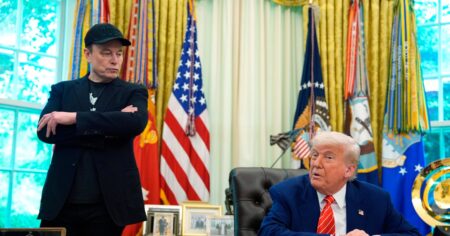
The United States, long considered a standard-bearer for press freedom despite its imperfections, has experienced a particularly notable decline that reflects broader global trends. After dropping from a “fairly good” rating to a “problematic” situation in 2024, the year of President Trump’s re-election, the country has continued its downward slide, falling an additional seven places to rank 64th globally in the latest assessment. RSF has pointed specifically to what it characterizes as President Trump’s “systematic” attacks on journalists as a significant contributing factor to this deterioration. These attacks go beyond isolated incidents or occasional heated exchanges; they represent, according to the watchdog organization, a coordinated policy approach that undermines public confidence in independent journalism and creates an atmosphere of hostility toward the press. Beyond rhetoric, concrete actions have also impacted the press freedom landscape in America. The report highlights the detention and subsequent expulsion of Mario Guevara, a Salvadoran journalist who had been covering and criticizing the arrest of migrants—a case that raised serious questions about whether journalists reporting on sensitive immigration issues could face retaliation. Additionally, drastic funding cuts to U.S. international broadcasting outlets have reduced America’s contribution to independent journalism worldwide, limiting the flow of information in regions where press freedom is already severely constrained. These developments mark a significant shift for a country that has historically positioned itself as a defender of press freedom internationally.
Authoritarian Regimes and Military Juntas Tighten Their Grip
While the situation in the United States has drawn considerable attention, the most severe press freedom challenges remain concentrated in regions governed by authoritarian regimes and military juntas. Niger experienced the steepest decline in the 2025 rankings, plummeting 37 places to 120th position following its military coup and the establishment of junta rule. This dramatic fall exemplifies the broader pattern of deterioration across the Sahel region of Africa, where a combination of armed insurgent groups and military governments has systematically suppressed independent journalism. In these contexts, the right to receive balanced information from diverse sources has been severely curtailed, with journalists facing threats from multiple directions—both from non-state armed groups who view independent reporting as a threat to their operations, and from ruling juntas who seek to control the narrative around their governance and military campaigns. Meanwhile, in some of the world’s most closed societies, the situation has remained consistently abysmal with little variation year over year. China and North Korea continue to maintain some of the most restrictive press environments on the planet, where state control over information is nearly absolute and independent journalism as understood in democratic societies essentially does not exist. Eritrea has claimed the dubious distinction of ranking last in press freedom for the third consecutive year, representing what RSF considers the single worst environment for journalists anywhere in the world—a place where the independent press has been effectively eliminated and where journalists face imprisonment, forced labor, and exile.
Russia’s War on Information and Regional Dangers
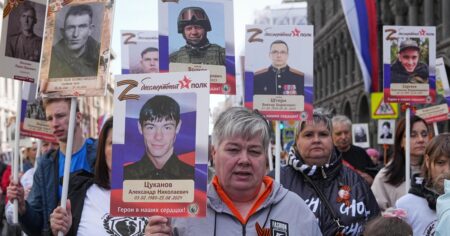
Eastern Europe and the Middle East have earned the grim distinction of being the two most dangerous regions for journalists globally, a status they have held consistently for the past quarter century. At the center of Eastern Europe’s press freedom crisis sits Russia, ranked 172nd out of 180 countries, where Vladimir Putin’s government has continued its war of aggression in Ukraine while simultaneously intensifying its domestic crackdown on independent media. RSF notes that Russia “has become a specialist in using laws designed to combat terrorism, separatism and extremism to restrict press freedom”—a practice that has become a template for other authoritarian governments seeking legal cover for their suppression of journalism. These laws, ostensibly created to protect national security, have been systematically weaponized against journalists who report critically on government policies, military operations, or official corruption. As of the most recent count, Russia held 48 journalists behind bars, representing one of the largest imprisoned journalist populations in the world. These imprisoned reporters serve as both punishment for those who dared to report independently and as a warning to others who might consider following their example. In the Middle East, the situation remains equally dire, with Saudi Arabia drawing particular condemnation for executing a journalist in 2025—an extreme measure that represents the ultimate suppression of press freedom and sends a chilling message to anyone who might consider pursuing independent journalism in the kingdom.
Rare Bright Spots Amid the Darkness
Despite the overwhelmingly negative trends documented in the report, a few glimmers of hope emerged from regions undergoing political transition. Post-Assad Syria recorded the biggest improvement in press freedom, climbing an impressive 36 places in the rankings following the fall of Bashar al-Assad’s long-standing authoritarian regime. This improvement, while significant, should be understood in context—Syria was starting from such a low baseline that substantial improvement was nearly inevitable once the Assad government’s stranglehold on information was loosened. The situation in post-Assad Syria remains fluid and fragile, with many questions remaining about whether the country’s new leadership will genuinely embrace press freedom or whether initial openness will give way to new forms of control as power consolidates. Nevertheless, the Syrian example demonstrates that rapid positive change is possible when political circumstances shift, offering a template—and hope—for other countries currently suffering under repressive regimes. These isolated improvements, however, cannot obscure the broader pattern of decline documented across most of the world, where the trend lines for press freedom continue to point in a deeply troubling direction.
The Stakes for Democracy and Global Information
The findings of this report, compiled by Reporters Without Borders—known by its French acronym RSF (Reporters sans frontières) and founded in France in 1985—carry implications that extend far beyond the journalism profession itself. Press freedom serves as both an indicator and a guarantor of broader democratic health; where independent journalism thrives, corruption finds it harder to flourish, human rights abuses face greater scrutiny, and citizens can make more informed decisions about their governance. Conversely, where press freedom declines, authoritarianism finds fertile ground, transparency diminishes, and the ability of ordinary people to hold power accountable erodes. The fact that less than one percent of the world’s population now lives in countries with “good” press freedom means that the vast majority of humanity receives information that is filtered, censored, or manipulated by governments, special interests, or powerful individuals. This global information crisis affects not only the countries where press freedom is restricted but has ripple effects internationally, as misinformation and propaganda can flow across borders unchecked by independent verification. The systematic attacks on journalism—whether through legal harassment, economic pressure, physical violence, or outright murder—represent attacks on the public’s right to know, and ultimately on the possibility of accountable governance itself. As the world becomes increasingly interconnected through digital technology, the decline in press freedom documented by RSF suggests we are simultaneously becoming more isolated from reliable information about the realities facing much of humanity.