
Maine Governor Janet Mills Ends Senate Bid, Clearing Path for Political Newcomer
A Surprising Turn in a Critical Senate Race
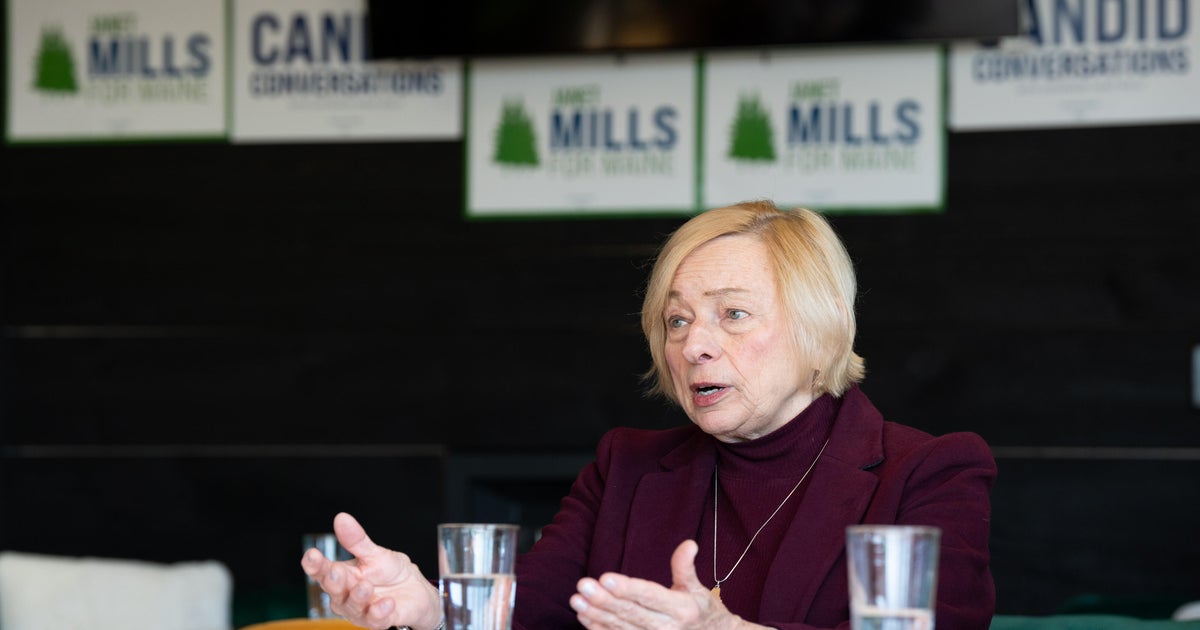
In a development that has reshaped one of the nation’s most closely watched Senate contests, Maine Governor Janet Mills announced Thursday that she is stepping back from her campaign for the U.S. Senate. Her decision effectively hands the Democratic nomination to Graham Platner, a 41-year-old oyster farmer who has emerged as an unexpected force in Maine politics. Mills, who has been a prominent figure in Maine’s political landscape, made the difficult announcement citing a reality that has become all too familiar in modern American politics: despite having the experience, passion, and determination to mount a competitive campaign, she simply doesn’t have the substantial financial resources necessary to compete in today’s expensive political environment. This race holds enormous significance for both parties, as Democrat Platner will now face off against incumbent Republican Senator Susan Collins in what Democrats view as one of their best opportunities to flip a Senate seat in the 2026 midterm elections.
The Financial Reality of Modern Campaigns
Governor Mills’ decision to suspend her campaign highlights a troubling truth about contemporary American politics: money has become the essential ingredient for electoral success, sometimes even more important than experience or qualifications. In her statement announcing her withdrawal, Mills was refreshingly candid about this reality. “While I have the drive and the passion, commitment and experience, and above all else — the fight — to continue on, I very simply do not have the one thing that political campaigns require today: the financial resources,” she explained. This honest assessment speaks to a broader problem in our democracy, where the ability to raise millions of dollars often matters more than decades of public service or deep knowledge of policy issues. Mills’ inability to match Platner’s fundraising prowess – he brought in an impressive $4 million in just the first three months of 2026 – ultimately proved decisive. Her withdrawal underscores how the astronomical cost of running for federal office can force even accomplished politicians to step aside, regardless of their qualifications or commitment to public service.
Why This Senate Seat Matters So Much
Maine’s Senate race has captured national attention because it represents one of the Democratic Party’s best opportunities to gain ground in an otherwise challenging political landscape. Senator Susan Collins is the only Republican senator representing a state that Vice President Kamala Harris won in the 2024 presidential election, making her theoretically vulnerable in a state with a significant Democratic-leaning electorate. This unusual political dynamic – a Republican senator in a blue-trending state – is precisely why Senate Majority Leader Chuck Schumer personally recruited Governor Mills to run in the first place. Democrats see Collins as beatable, despite her long tenure and moderate reputation. The party’s national leadership views defeating Collins as essential to their broader strategy of pushing back against what they characterize as the harmful policies of the Trump administration. In their joint statement following Mills’ withdrawal, Schumer and Senator Kirsten Gillibrand, who heads the Democratic Senatorial Campaign Committee, didn’t mince words about their intentions: “Democrats are dedicated to fighting back against the chaos of the Trump administration by defeating the Republicans who enable his harmful agenda and that includes Susan Collins.” They argue that Collins’ years of what they see as enabling Trump’s abuses of power have made her more vulnerable than ever before.
The Challenge of Age in Politics
While Mills didn’t cite age as a factor in her decision to withdraw, it had been a quiet concern among Democrats in Maine and nationally. At 79 years old when the new Congress would convene, Mills would have been among the older members of the Senate, joining a chamber where questions about age and fitness for office have become increasingly prominent in public discourse. This concern reflects a broader generational conversation happening within the Democratic Party and American politics generally. Many voters, particularly younger ones, have expressed frustration with what they see as a gerontocracy – government by the elderly – and have called for fresh faces and new perspectives in leadership positions. The contrast between Mills and Platner couldn’t be starker in this regard: at 41, Platner represents a new generation of political leaders, and his outsider status as someone who hasn’t spent decades in traditional politics may actually be an advantage in an era when many Americans are deeply skeptical of career politicians. An Emerson College poll conducted in March revealed just how much this dynamic had affected the race, showing Platner leading Mills by a stunning 27 points among likely Democratic primary voters.
The Unlikely Candidate with Baggage
Graham Platner’s rise from political obscurity to presumptive Democratic nominee reads like something out of a movie script – an oyster farmer with no political experience suddenly becomes a formidable candidate who outraises and outpolls a sitting governor. However, his journey hasn’t been without significant bumps in the road. Platner has had to confront several controversies that would have derailed many traditional candidates, including the discovery of problematic comments he made on Reddit about his military service and about women. These online posts raised questions about his judgment and character, forcing him to issue apologies and explanations. Perhaps even more troubling was the revelation that Platner had a tattoo that resembled a Nazi insignia. He explained that he had gotten the tattoo unknowingly while stationed in Europe during his military service and later covered it up when he learned of its associations. While Platner has apologized for these past mistakes, they represent the kind of vulnerabilities that political opponents – and particularly a seasoned campaigner like Susan Collins – will likely attempt to exploit during the general election campaign. The question facing Democrats now is whether Platner’s apparent grassroots appeal and fundraising ability will be enough to overcome these controversies and his lack of political experience.
What Comes Next
With Mills out of the race, the Democratic establishment is now pivoting to support Platner, despite whatever reservations they might have about his inexperience or past controversies. Schumer and Gillibrand’s statement made clear that the party will unite behind him as the “presumptive Democratic nominee” and work to provide the resources and support necessary to defeat Collins. This represents a significant moment for both Maine and national politics. For Mills, the decision to step aside, while undoubtedly disappointing, allows her to finish her tenure as governor without the distraction of a challenging campaign. In her withdrawal statement, she explained her original motivation for entering the race: “I believed Maine people were getting a bad deal from Washington and because the President of the United States was threatening our democracy and pushing our nation to the brink of disaster. I still believe that today.” Her concerns about the direction of the country remain, but she’s passing the torch to someone she hopes can carry forward that fight. For Platner, the path is now clear to focus entirely on the general election challenge ahead. He’ll need to introduce himself to Maine voters, defend his record and past statements, and make the case that a political newcomer with a background in oyster farming can effectively represent Maine in the United States Senate. For Senator Collins, the race presents both opportunities and challenges. While she can point to Platner’s inexperience and controversies, she must also contend with Democrats’ argument that she’s been complicit in enabling Trump’s agenda, a charge that could resonate in a state that twice voted against Trump. As the campaign unfolds over the coming months, this Maine Senate race will be one to watch closely as a bellwether for the nation’s political mood.