

Trump’s East Wing Ballroom Gets Green Light Despite Legal Challenges and Public Outcry
Regulatory Approval Moves Forward Amid Controversy
In a decision that has sparked intense debate across political and preservation circles, the National Capital Planning Commission voted Thursday to approve President Trump’s ambitious $400 million East Wing renovation project. The 9-to-1 vote, with two commissioners abstaining, represents the final regulatory hurdle for a massive 90,000-square-foot expansion that centers around a grand ballroom capable of accommodating 1,000 guests. However, this approval comes with significant caveats—a federal judge ruled earlier this week that the administration must secure congressional authorization before moving forward with construction, and the Department of Justice has already filed an appeal. The commission’s chairman, Will Scharf, is a White House staffer, raising questions about potential conflicts of interest in the approval process. Despite receiving this crucial regulatory blessing, the project faces an uncertain immediate future as legal battles continue to unfold in federal court.
Overwhelming Public Opposition Couldn’t Stop the Vote
The road to approval was anything but smooth, with the commission delaying its vote by a full month due to an unprecedented wave of public opposition. Over 32,000 comments flooded the commission’s online portal, and more than 100 concerned citizens—including prominent architects, historians, and preservationists—registered to speak at the March commission meeting. The sentiment was clear: the vast majority opposed the project. Thomas Luebke, secretary of the Commission of Fine Arts, described the public feedback as “overwhelmingly in opposition—over 99%.” Despite this near-universal public rejection, the commission moved forward with approval. James Blair, both a commissioner and senior White House aide, dismissed much of the criticism as “unserious” and politically motivated, suggesting that opposition was rooted more in partisan disagreement than legitimate concerns about the project’s merits. President Trump himself has remained enthusiastic about the endeavor, calling it the “finest ballroom of its kind anywhere in the world,” framing the project as a historic enhancement to America’s most famous residence.
A Project That Grew Beyond Its Original Scope
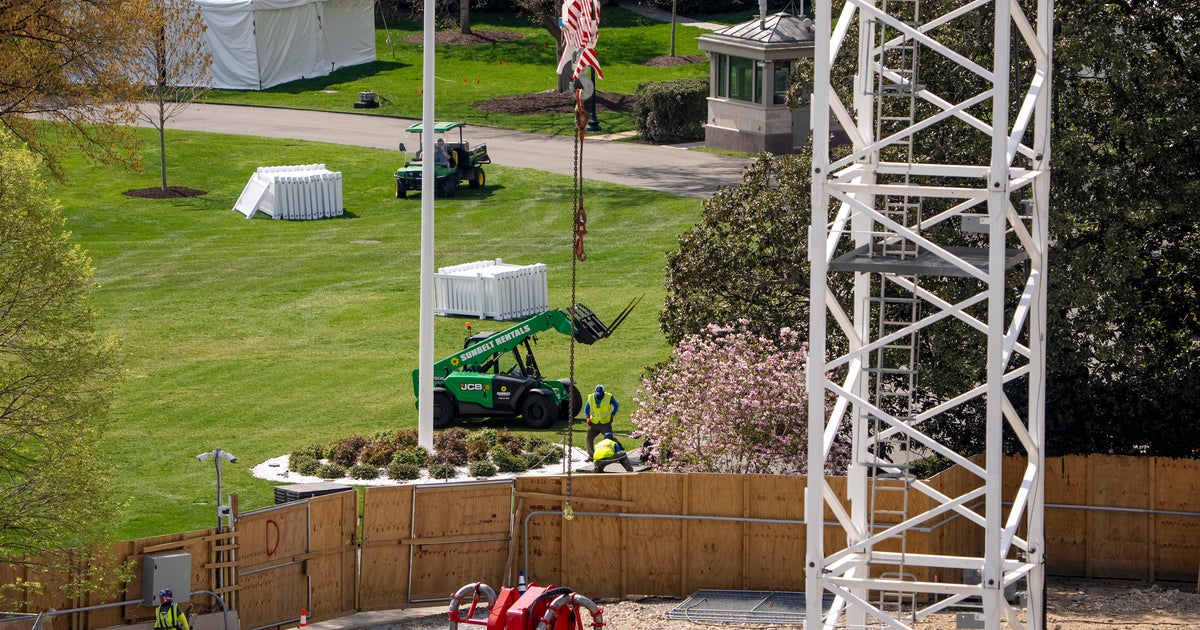
When the White House first announced its ballroom plans in July, the project carried a $200 million price tag and was presented as a relatively straightforward addition that wouldn’t significantly impact the existing White House structure. Reality has proven quite different. The cost has since doubled to $400 million, and what was initially described as a minimally invasive project has transformed into something far more extensive. Heavy machinery moved in during October and completely demolished the existing East Wing—a structure that had been a White House fixture for generations. The destruction was total: pieces of the historic building were hauled away to a Maryland scrap yard, while excavated dirt was transported to a nearby golf course. The expanded project now includes far more than just a ballroom. Plans call for new offices for the first lady, expanded kitchen facilities, an elaborate double-decker colonnade, and significant upgrades to a secure underground military complex. The scope and scale of the demolition contradicted the president’s early assurances, leaving many preservationists feeling misled about the project’s true impact on this historically significant property.
Legal Battles and Questions About Funding Sources
The project’s funding mechanism has become a major source of controversy and legal challenges. In December, the Trust for Historic Preservation filed a lawsuit to halt construction entirely. A judge initially denied their request for a temporary restraining order, but upon further consideration, the court sided with the Trust on key issues, citing both the lack of proper congressional authorization and what the judge described as a “questionable financing arrangement.” The financing questions stem from the administration’s decision to fund the project through private donations rather than taxpayer dollars. President Trump established a nonprofit organization specifically to collect contributions from companies and wealthy individuals—many of whom have significant business interests before the federal government. Among the donors are major tech giants and defense contractors, raising serious concerns about potential conflicts of interest and undue influence. Adding to the opacity, it remains unclear whether taxpayer funds or private donations are being used for the military bunker upgrades, a significant national security component of the project. The White House has provided only a partial list of donors and hosted a recognition dinner for contributors last fall, but has steadfastly refused to disclose how much each donor has given or the total amount raised for construction.
Congressional Democrats Cry Foul Over Corruption Concerns
Democratic lawmakers have expressed deep alarm about what they view as an unprecedented corruption risk in the donation structure. Senator Richard Blumenthal of Connecticut has been particularly vocal, telling CBS News that “this vanity project has become an instrument of corruption.” He and other Democratic senators are demanding comprehensive disclosure not only from the White House but directly from the donors themselves about what business interests they might have at stake. The concern is straightforward: wealthy individuals and corporations making large donations to a presidential pet project while simultaneously having regulatory issues, government contracts, or other business before federal agencies creates obvious potential for quid pro quo arrangements or the appearance of impropriety. Several Democratic members of Congress have introduced legislation designed to constrain this type of privately funded presidential construction project, both for Trump’s current endeavor and to prevent similar situations in future administrations. However, none of these bills have received a vote in the Republican-controlled Congress, where they’ve been effectively dead on arrival. The stonewalling on transparency has only intensified Democratic concerns that something improper may be occurring behind the scenes.
Rushed Approval Process and Last-Minute Design Changes Raise Red Flags
Perhaps nothing has generated more skepticism among preservation experts and good-government advocates than the breakneck speed of the approval process and significant last-minute design modifications. Previous White House renovations—all of which were far less extensive than the East Wing project—typically underwent months or even years of careful scrutiny by both the Commission of Fine Arts and the National Capital Planning Commission. This project received approval from both bodies in just over three months. The Commission of Fine Arts, composed entirely of Trump appointees including Chamberlain Harris (the president’s executive assistant), unanimously approved the design in February after being first briefed in December. NCPC chairman Will Scharf vigorously defended the expedited timeline, stating that “the notion that we have been less than thorough, that we have not met our obligations is frankly insulting to the work that our team has done.” He claimed to have read every public comment received. However, Phil Mendelson, a Democratic commissioner who serves as D.C. Council chairman, cast the lone dissenting vote, arguing that “there is a lot of value to the iterative process and we have not had that. It’s just too large.” The confusion reached new heights when President Trump shared revised architectural renderings aboard Air Force One on Sunday—just days before Thursday’s vote—showing the ballroom’s south face without a grand staircase that appeared in previous versions, including the design the CFA had already approved. This change came suspiciously soon after the New York Times published an analysis pointing out design oddities, including a grand staircase that didn’t actually lead to the ballroom and a missing door on the side facing the staircase. The NCPC was only informed of these significant architectural changes on Wednesday and voted to approve them the very next day, leaving no time for meaningful public review or expert analysis of the modifications.