


The Case of Cole Allen: Understanding the White House Correspondents’ Dinner Shooting Incident
Removal from Suicide Watch and Current Detention Status
Cole Allen, the 31-year-old man accused of attempting to shoot at the White House Correspondents’ Dinner, has been removed from suicide watch at the Washington, D.C. jail where he’s currently being held. His legal team announced this development in recent court filings, which also revealed that a Monday hearing that was scheduled to discuss his removal from suicide watch has been canceled. Before being taken off suicide watch, Allen was confined to a highly restrictive medical isolation cell where he was monitored around the clock. According to law enforcement sources, this type of supervision is standard procedure for the first 72 hours after someone is taken into custody, allowing officials to assess the individual’s mental state and risk level. Allen’s defense attorneys had filed a motion arguing that these restrictive conditions violated his constitutional rights under the Due Process Clause. They described conditions that severely limited his ability to function normally within the detention system, including being unable to communicate with family and friends, keep personal belongings, or review important documents related to his case. The restrictions were so severe that Allen required an escort even for basic activities like showering, and he was subjected to strip searches every time he entered or left his cell. While Allen has agreed to remain in custody until his trial, it’s currently unclear whether he’s been transferred to a different facility or section of the jail since being taken off suicide watch.
The Charges and Legal Proceedings Ahead
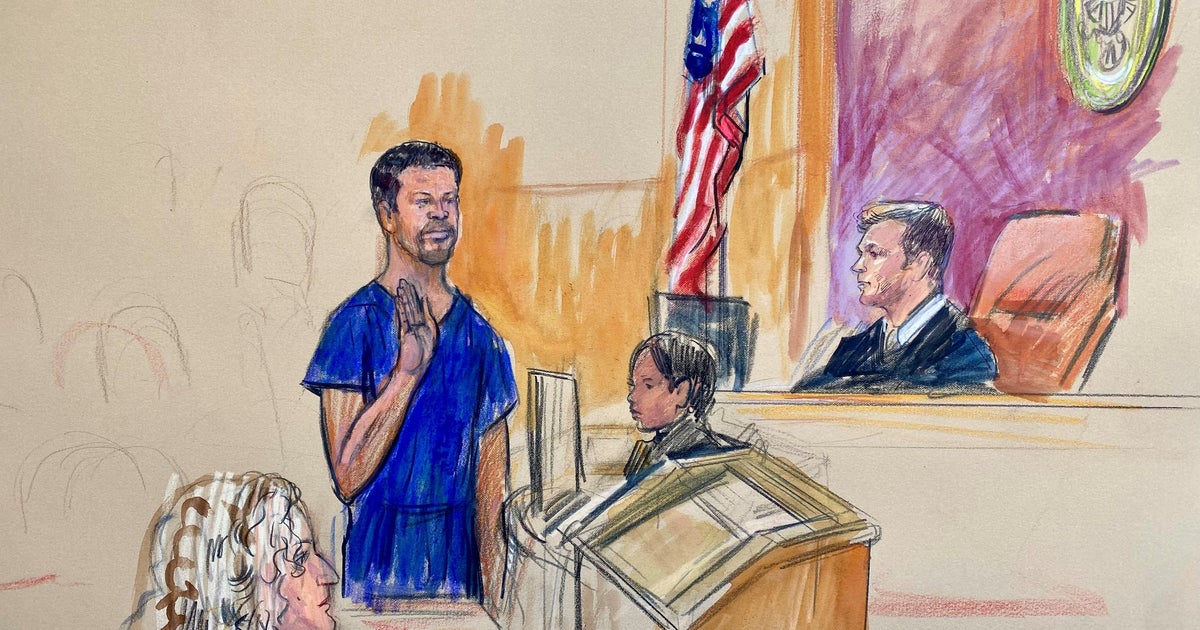
Allen faces extremely serious federal charges stemming from the incident at the annual press gala on Saturday, April 25. The most significant charge is attempting to assassinate President Trump, which carries severe penalties under federal law. In addition to this primary charge, he’s also facing two separate firearms-related charges connected to the incident. Allen made his first appearance in federal court on Monday, where the formal legal process began. At this initial hearing, he has not yet entered a plea to any of the charges against him, which is typical in cases of this magnitude where defendants and their legal teams need time to review evidence and prepare their defense strategy. The court has scheduled a preliminary hearing for May 11, which will be an important step in the legal process. During this hearing, prosecutors will need to present enough evidence to convince the judge that there’s probable cause to believe Allen committed the crimes he’s accused of. This hearing will give the public and Allen’s defense team a better understanding of the evidence the government has gathered. Allen has consented to remain detained without bail until his trial, which likely won’t occur for several months given the complexity of the case and the serious nature of the charges.
What Happened at the Washington Hilton
The incident unfolded at the Washington Hilton, the traditional venue for the White House Correspondents’ Dinner, one of Washington’s most prestigious annual events. According to reports, Allen allegedly charged at a security checkpoint at the hotel while the dinner was in progress. The event was particularly high-profile this year, with President Trump in attendance along with other top administration officials, including Vice President JD Vance and House Speaker Mike Johnson. The presence of such high-ranking government officials meant that security at the venue was extremely tight, with multiple layers of protection including Secret Service agents and local law enforcement. Despite these security measures, Allen managed to reach a checkpoint where the violent confrontation occurred. He was arrested at the scene immediately following the shooting, preventing any further escalation of the situation. The swift response by security personnel likely prevented what could have been a far more serious incident. The fact that Allen was apprehended so quickly has given investigators immediate access to evidence and the opportunity to begin piecing together what happened, why it happened, and whether Allen acted alone or had any assistance.
The Exchange of Gunfire and Its Aftermath
Details about exactly what happened during the shooting have become clearer as the investigation has progressed. According to a source with knowledge of the investigation who spoke to CBS News, a total of six shots were fired during the incident. Allen allegedly fired one shot, while a Secret Service officer responded by firing five shots. During this exchange, the Secret Service officer was struck in his bulletproof vest, which performed exactly as designed and prevented serious injury. Two sources familiar with the investigation provided an interesting detail: the shot that hit the agent likely struck a cellphone that was tucked inside the agent’s vest pocket, which may have provided additional protection or altered the impact. Thankfully, the officer was not seriously hurt and is expected to make a full recovery. There had been some initial confusion and reports suggesting that the bullet that struck the Secret Service agent might have been “friendly fire” from another law enforcement officer rather than from Allen himself. However, federal officials have firmly disputed these reports and worked to set the record straight. Jeanine Pirro, the U.S. attorney for the District of Columbia, appeared on CNN’s “State of the Union” on Sunday and made it clear that investigators had determined “definitively” that the bullet that struck the agent was fired by Allen, not by another officer.
The Broader Context and Security Concerns
This incident has raised serious questions about security at high-profile events in Washington, D.C., particularly those attended by the President and other top government officials. The White House Correspondents’ Dinner is an annual tradition that brings together journalists, politicians, celebrities, and other public figures in a relatively relaxed social setting. While security is always present at such events, they’re generally seen as lower-risk than official government functions. The fact that someone was able to get close enough to a checkpoint to discharge a weapon has prompted a review of security protocols. The Secret Service and other law enforcement agencies responsible for protecting the President and other officials will likely examine what happened and whether any improvements to security procedures are needed. This incident also occurs against a backdrop of increased threats against public officials in recent years, with politicians from both parties reporting higher levels of threatening communications and behavior from members of the public. The polarized political climate has created challenges for security professionals who must balance the need to protect officials with the American tradition of public accessibility to elected leaders. Events like the White House Correspondents’ Dinner represent an important part of American democracy, bringing together the press and government in a setting that acknowledges their sometimes adversarial but ultimately complementary roles in society.
What Comes Next in the Investigation and Legal Process
As this case moves forward, investigators will continue gathering evidence and building their case against Allen. This will include forensic analysis of the weapon used, examination of any digital evidence such as social media posts or communications that might shed light on Allen’s motivations, and interviews with witnesses who were present at the scene. The preliminary hearing scheduled for May 11 will be a crucial milestone, as it will provide the first public airing of at least some of the evidence prosecutors have gathered. Depending on what emerges during that hearing and subsequent proceedings, Allen’s legal team will need to decide on their defense strategy. Given the serious nature of the charges, particularly the attempted assassination charge, this case will likely be closely watched by legal experts, security professionals, and the public. The outcome could have implications for how similar cases are prosecuted in the future and how security is handled at events involving high-ranking government officials. For now, Allen remains in custody awaiting his day in court, where he’ll face charges that could result in a lengthy prison sentence if he’s convicted. The legal process will unfold over the coming months, with both prosecutors and defense attorneys preparing their cases while the public waits to learn more about what motivated this incident and exactly what happened on that Saturday evening at the Washington Hilton.