
Security Incident at Trump’s Miami Golf Club: What We Know
An Unsettling Encounter at the Doral Resort
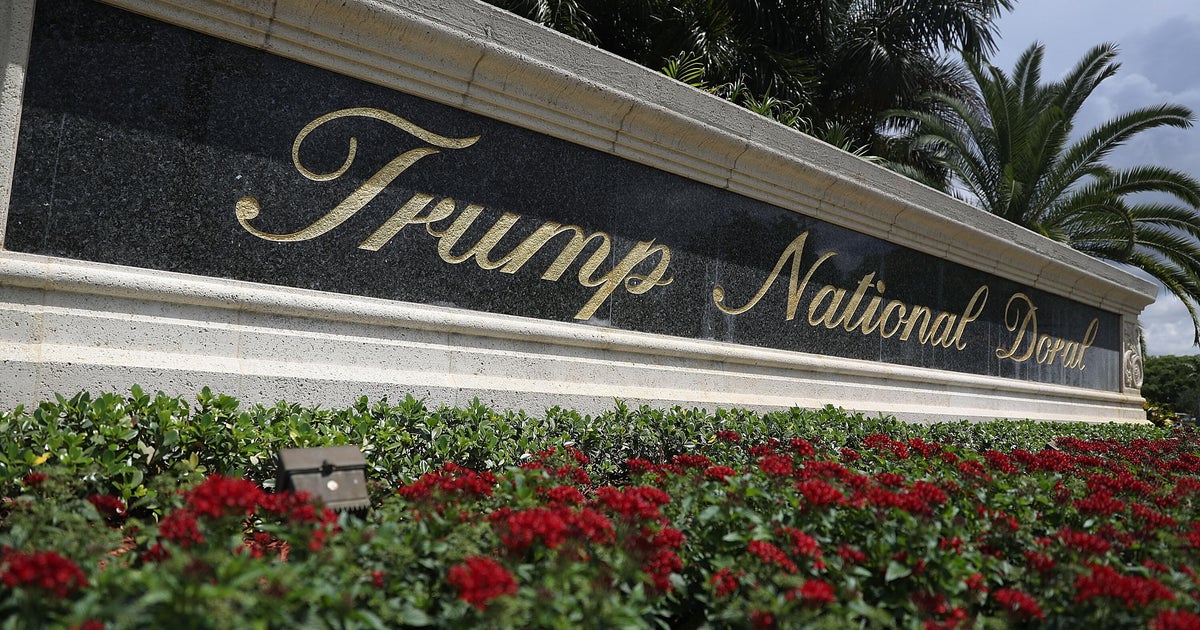
On a seemingly ordinary Saturday afternoon, what should have been a routine day at President Trump’s prestigious Doral National Golf Club near Miami turned into a security situation that once again highlighted the constant vigilance required to protect current and former presidents. Around 4:15 p.m., a man approached a security checkpoint at the luxurious resort and quickly became the center of attention for all the wrong reasons. According to Michael Townsend, the acting special agent in charge of the Secret Service’s Miami office, the individual’s behavior rapidly escalated from concerning to unacceptable. What began as someone simply approaching a secured area transformed into a disruptive incident that required law enforcement intervention. The man refused to follow the lawful orders given by security personnel, a decision that would ultimately lead to his arrest. In a physical altercation that followed, the individual made contact with a Secret Service agent before being subdued and taken into custody. Fortunately, President Trump was not at the property during this incident, and authorities were quick to emphasize that at no point was the president’s security compromised or his safety threatened.
The Arrest and Charges
The unidentified man’s afternoon ended quite differently than it began, with him in the custody of the Doral Police Department facing criminal charges. Law enforcement officials charged him with disorderly conduct and resisting without violence, offenses that reflect the nature of his behavior at the golf club. While these charges might seem relatively minor in the grand scheme of security threats against high-profile political figures, they nonetheless represent serious criminal offenses that carry legal consequences. The decision not to immediately release the man’s identity is standard procedure in such cases, though more information typically becomes available as the legal process unfolds. The swift response by both Secret Service agents and local law enforcement demonstrates the coordinated security measures in place at properties associated with the president. The Doral Police Department’s involvement underscores the partnership between federal and local agencies when it comes to maintaining security around presidential properties and protecting both the president and the public.
A Pattern of Security Concerns
This incident at the Doral golf club cannot be viewed in isolation but must be understood within the broader context of recent security challenges facing President Trump. Just one week prior to this Saturday disturbance, a far more serious and terrifying situation unfolded at the White House Correspondents’ Dinner in Washington, D.C. During what is traditionally a lighthearted evening of political satire and journalism celebration, shots rang out, transforming the elegant ballroom into a scene of chaos and fear. President Trump was immediately rushed off the stage by Secret Service agents as the protective protocols swung into action. In that incident, a Secret Service agent was struck by gunfire but was saved from serious injury or death by the bulletproof vest that agents wear as part of their standard protective gear. The suspect in that shooting, identified as Cole Tomas Allen, now faces the extremely serious federal charge of attempting to assassinate the president, a crime that carries severe penalties including potential life imprisonment or even the death penalty. These recurring incidents paint a troubling picture of the threats that continue to face President Trump.
The 2024 Golf Course Threat
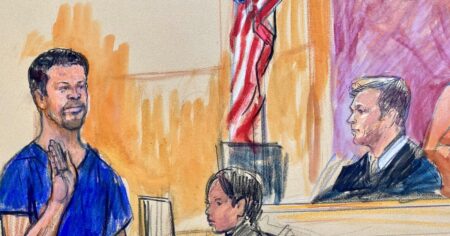
The security concerns surrounding President Trump and his properties stretch back even further than the recent incidents. In 2024, when Trump was still a presidential candidate rather than the sitting president, another deeply concerning situation unfolded at one of his golf properties. At the Trump International Golf Course in West Palm Beach, Florida, Secret Service agents spotted a man who appeared to be positioning himself with a rifle, apparently aiming toward the then-candidate Trump. The situation quickly escalated as agents engaged in gunfire with the suspect before successfully apprehending him. The man, identified as Ryan Routh, was later prosecuted in federal court on charges of attempting to assassinate a presidential candidate. Following his conviction, Routh received the maximum sentence of life in prison without the possibility of parole, ensuring he would never again pose a threat to Trump or anyone else. This 2024 incident demonstrated just how vulnerable political candidates and officeholders can be, even when surrounded by highly trained security professionals and sophisticated protective measures. The fact that Secret Service agents were able to spot the threat before any harm came to Trump speaks to their training and dedication, but it also underscores the very real dangers that exist.
The Extraordinary Security Challenges of the Modern Era
The succession of security incidents involving President Trump reflects the broader challenges facing the Secret Service and law enforcement agencies in protecting political figures in contemporary America. Unlike previous eras when threats against presidents were less frequent and often easier to predict and prevent, today’s security environment is characterized by unpredictability, diverse threat sources, and the complications introduced by social media and instant communications. The Secret Service, an agency with a storied history dating back to its founding in 1865, has continuously evolved its protective methods and technologies to meet emerging threats. However, each incident serves as a stark reminder that no security system is perfect, and constant vigilance remains the price of safety. The agents who protect the president and other high-ranking officials face extraordinary pressures, knowing that even a momentary lapse could have catastrophic consequences. They must balance providing robust security with allowing the president to maintain public visibility and accessibility, two elements that are fundamental to American democracy but that also create vulnerabilities. The fact that President Trump owns and frequently visits multiple properties, including golf clubs and resorts, adds additional complexity to the security challenge, as each location must be thoroughly secured whenever a presidential visit occurs.
Moving Forward with Enhanced Vigilance
As authorities continue to investigate Saturday’s incident at the Doral golf club, questions will inevitably arise about whether security protocols need further enhancement and what lessons can be learned from this and previous incidents. The Secret Service’s statement that “at no point did this situation impact the established security posture” suggests confidence in the existing protective measures, yet each incident provides an opportunity for review and improvement. For President Trump, these recurring security concerns are an unfortunate reality of his position, though they perhaps occur with greater frequency around his presidency than has been typical in recent American history. For the Secret Service agents who dedicate their lives to protecting the president, regardless of their personal political views, each day presents potential dangers that require unwavering focus and split-second decision-making abilities. For the American public, these incidents serve as sobering reminders of the threats that exist in our political landscape and the brave men and women who stand ready to place themselves in harm’s way to protect our nation’s leaders. As the investigation into Saturday’s incident continues and as the unnamed individual proceeds through the criminal justice system, the Secret Service will undoubtedly conduct its own internal review to determine if any adjustments to security procedures are warranted. Meanwhile, the protective mission continues unabated, with agents maintaining their vigilant watch over President Trump and working to prevent the next potential threat from ever materializing into an actual danger.