


A Nostalgic Look Back: The Early Days of XRP and the Birth of Revolutionary Blockchain Technology
The Email That Started It All
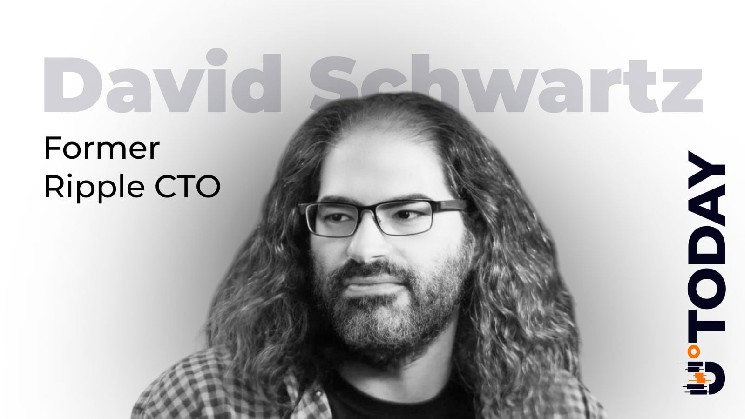
In a heartwarming trip down memory lane, David Schwartz, the Chief Technology Officer Emeritus of Ripple, recently shared a fascinating piece of XRP history that offers a glimpse into the cryptocurrency’s humble beginnings. Through a simple tweet, Schwartz revealed what he considers a fun fact from the early days of XRP – the very first email he ever received that mentioned the digital asset by name. The email came from Vinnie Falco, a name that would later become significant in the Ripple ecosystem, and it was sent back in February 2013, a time when cryptocurrency was still in its infancy and XRP was virtually unknown to most of the world.
The email itself was refreshingly straightforward and casual, with a subject line that simply read “XRP please.” In the body of the message, Falco, who identified himself as someone from the Bitcoin Talk forum, reached out to Schwartz (whom he addressed as Joel, referring to Schwartz’s well-known online alias “JoelKatz”) with a friendly request. Falco explained that he had decided to create a Ripple account specifically so he could thoroughly investigate and explore the potential of this new technology that was generating buzz in cryptocurrency circles. He then asked if Schwartz could “float” him some XRP to help him get started on his journey of discovery. This simple request would mark the beginning of what would become a significant relationship between Falco and the Ripple project, demonstrating how early cryptocurrency adopters reached out to one another in those pioneering days with a sense of curiosity and community spirit that feels almost quaint by today’s standards.
Community Engagement and Early Adoption
When Schwartz shared this nostalgic screenshot on social media, it immediately resonated with the XRP community, sparking conversations and bringing smiles to longtime supporters of the digital asset. The simplicity and directness of that original email’s subject line – “XRP Please” – particularly caught the attention of community members. Vet, who operates as an XRP Ledger validator and is a respected figure within the community, couldn’t help but comment on the perfection of that subject line, calling it the “Best email subject. XRP Please.” This response captured the sentiment of many in the community who appreciated the straightforward, no-nonsense approach that characterized those early days of cryptocurrency development.
The story took an interesting turn when curious community members began asking the obvious follow-up question: Did Schwartz actually send Falco the XRP he requested? Schwartz’s response added another delightful layer to the story, revealing that it wasn’t him who fulfilled the request. Instead, Alex Kravets, known for inventing Google’s autocomplete feature, was the one who sent XRP to Falco. This detail highlights how the early XRP community was interconnected with other significant figures in the broader technology world, showing that brilliant minds from various sectors of tech innovation were drawn to explore this new blockchain technology. The fact that the inventor of one of Google’s most ubiquitous features was involved in the early XRP ecosystem speaks volumes about the caliber of talent and level of interest that the project attracted from its very beginning.
Vinnie Falco’s Journey and Contributions
Falco’s initial curiosity about XRP and the technology behind it would prove to be more than just a passing interest. His exploration of the XRP Ledger’s potential eventually led him to join Ripple in an official capacity, where he would make substantial contributions to the project’s development. Falco’s background as an active participant in the Bitcoin Talk forum – one of the earliest and most influential online communities for cryptocurrency enthusiasts and developers – meant he brought valuable perspective and experience to the Ripple team. His decision to investigate Ripple despite already being involved in Bitcoin community discussions showed an open-mindedness and willingness to explore alternative approaches to blockchain technology.
During his time at Ripple, Falco became an integral part of the development team and made lasting contributions to the infrastructure that powers the XRP Ledger. Most notably, he was instrumental in developing and publishing Beast, a sophisticated HTTP and WebSocket library written in C++. This library became a crucial component used within Ripple’s technology stack, demonstrating how that initial email requesting “some XRP” led to significant technical contributions that would benefit the entire ecosystem. Falco’s journey from curious forum participant to key contributor exemplifies the meritocratic nature of early cryptocurrency development, where anyone with talent, curiosity, and dedication could make meaningful contributions to groundbreaking technology.
The Origins of XRP Ledger: A Response to Bitcoin’s Limitations
To truly appreciate the significance of that 2013 email and the early interest it represented, it’s important to understand the context in which XRP and the XRP Ledger were created. The story begins in early 2011, when three developers – David Schwartz, Jed McCaleb, and Arthur Britto – found themselves captivated by Bitcoin and the revolutionary potential of blockchain technology. However, even as they recognized Bitcoin’s groundbreaking nature, these forward-thinking developers couldn’t ignore what they perceived as fundamental inefficiencies in its design. They were particularly concerned about the enormous amount of computational power and energy consumed by Bitcoin’s mining process, viewing it as an inherent waste that undermined the sustainability of the technology.
Rather than simply criticizing Bitcoin’s limitations, these three innovators decided to do something about it. They set themselves an ambitious goal: to create a superior version of distributed ledger technology that would address Bitcoin’s shortcomings while maintaining the benefits of decentralization and security. Specifically, they wanted to build a digital asset that was environmentally sustainable and optimally designed for payment transactions – essentially creating what they believed Bitcoin should have been from the start. This wasn’t about competition for competition’s sake; it was about genuinely trying to solve real problems they had identified in the first generation of cryptocurrency technology.
Building Something Better: The Development of XRP Ledger
The trio of developers threw themselves into the work of creating this improved distributed ledger technology, coding and testing various approaches to achieve their vision. Their efforts focused on eliminating the need for energy-intensive mining while still maintaining the security and decentralization that made blockchain technology revolutionary. They originally named their creation simply “Ripple,” though the technology would later become formally known as the XRP Ledger to distinguish the protocol from the company that supported its development. After months of dedicated work, their creation was ready for the world, and the XRP Ledger officially launched in June 2012.
This launch represented a significant milestone in cryptocurrency history, introducing a consensus mechanism that was fundamentally different from Bitcoin’s proof-of-work mining. The XRP Ledger used a consensus protocol that allowed transactions to be validated quickly and efficiently without requiring the massive energy expenditure associated with mining. This made XRP transactions not only faster and cheaper than Bitcoin transactions but also significantly more environmentally friendly – addressing one of the core concerns that had motivated the developers from the beginning. The technology was specifically optimized for payment transactions, making it particularly well-suited for the use case of cross-border money transfers and remittances, which would later become a major focus for Ripple as a company.
Legacy and Lasting Impact
Looking back at that simple email from February 2013, it’s remarkable to see how far the XRP ecosystem has come. What started with someone casually asking for “some XRP” to investigate the technology has evolved into a robust global network with a passionate community, significant institutional adoption, and real-world use cases moving billions of dollars in value. The casual, friendly tone of that early correspondence stands in stark contrast to the professional, high-stakes world that cryptocurrency has become, serving as a reminder of the human connections and genuine curiosity that drove innovation in those pioneering days.
David Schwartz’s decision to share this piece of history with the community demonstrates an appreciation for those roots and the journey that XRP has taken. It humanizes the technology and reminds us that behind every major innovation are real people making connections, asking questions, and taking chances on new ideas. Vinnie Falco’s simple request to investigate the technology led him to become a significant contributor to the project, illustrating how openness to exploration and willingness to dive into the unknown can lead to meaningful contributions and lasting impact. As the cryptocurrency space continues to evolve and mature, stories like these serve as important reminders of the collaborative, curious spirit that made it all possible in the first place.