



Rock & Roll Hall of Fame 2026: A Celebration of Music’s Most Diverse Legends
A Star-Studded List of Nominees Spanning Decades and Genres
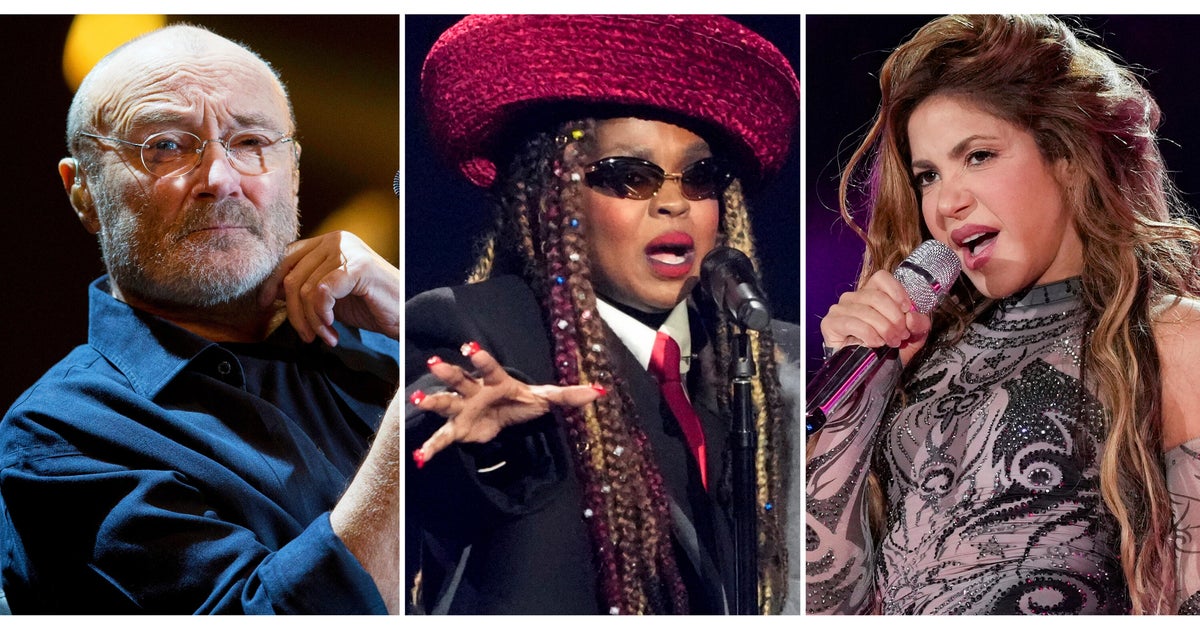
The Rock & Roll Hall of Fame has just announced its 2026 class of nominees, and it’s a lineup that truly reflects the incredible diversity of modern music. This year’s ballot features 17 remarkable artists who have shaped the soundtrack of our lives across multiple generations and musical styles. From the soulful balladry of Phil Collins to the groundbreaking hip-hop of the Wu-Tang Clan, from the Latin-pop fusion of Shakira to the thunderous heavy metal of Iron Maiden, this year’s nominees represent everything that makes music such a powerful force in our culture. The list also includes Mariah Carey, Lauryn Hill, INXS, Luther Vandross, Melissa Etheridge, Jeff Buckley, Pink, New Edition, Sade, the Black Crowes, Oasis, Joy Division/New Order, and Billy Idol. As John Sykes, chairman of the Rock & Roll Hall of Fame Foundation, put it perfectly: “This diverse list of talented nominees recognizes the ever-evolving faces and sounds of Rock & Roll and its continued impact on youth culture.” It’s a statement that captures the essence of what the Rock Hall has become—not just a museum of rock music in its strictest sense, but a celebration of all the ways music moves us, from rap to R&B, from Britpop to metal, and everything in between.
Legends Making Their First Appearance on the Ballot
Among the most exciting aspects of this year’s nominations are the ten artists appearing on the ballot for the very first time. Phil Collins, whose distinctive voice and drum skills made him one of the most successful artists of the 1980s, finally gets his moment of recognition beyond his work with Genesis. With iconic tracks like “In the Air Tonight” (with that legendary drum break we’ve all air-drummed to) and “One More Night,” Collins has earned eight Grammy Awards, including the coveted Album of the Year in 1985 for “No Jacket Required.” Lauryn Hill is another first-time nominee whose impact on music history cannot be overstated. Her groundbreaking album “The Miseducation of Lauryn Hill” didn’t just win awards—it made history as the first hip-hop album ever to win the Grammy for Album of the Year in 1999, opening doors for countless artists who followed. The album spoke to a generation about love, identity, and empowerment in ways that still resonate today. Shakira, whose ability to seamlessly blend Latin rhythms with rock and pop has made her a global superstar, represents the increasingly international nature of popular music. Pink, with her four No. 1 songs and three chart-topping albums including “The Truth About Love,” has built a career on powerful vocals and authentic emotion that connects with millions of fans. The Wu-Tang Clan’s inclusion recognizes their revolutionary 1993 debut “Enter the Wu-Tang,” which transformed hip-hop with its gritty production and innovative approach. Other first-timers include the incomparable Luther Vandross, whose smooth vocals graced hits like “Here and Now” and “Any Love” before his death in 2005; Jeff Buckley, whose 1994 masterpiece “Grace” remains influential despite his tragic death in 1997; the harmonious New Edition with their hits “Cool It Now” and “Candy Girl”; Melissa Etheridge, the two-time Grammy winner known for “Come to My Window” and “I’m the Only One”; and INXS, the Australian rock band that dominated late ’80s radio with “Need You Tonight” and “New Sensation.”
Returning Nominees and Repeat Contenders
Not everyone on this year’s ballot is a newcomer to the nomination process, which speaks to both the competitive nature of the selection and the undeniable worthiness of these artists. Mariah Carey returns for her third consecutive nomination, and honestly, it seems only a matter of time before the artist with 19 No. 1 hits on the Billboard Hot 100 gets her well-deserved place in the Hall. Her vocal range and songwriting prowess have influenced countless singers and made her one of the best-selling artists of all time. Sade, the sophisticated soul-jazz vocalist behind smooth classics like “Smooth Operator” and “The Sweetest Taboo,” is back for the second year running, her timeless cool and elegant sound as relevant today as when those songs first graced the airwaves. Billy Idol and Joy Division/New Order are making their second consecutive appearances after missing out on induction last year—both represent crucial moments in music history, with Idol’s punk-pop crossover appeal and Joy Division/New Order’s transformation from post-punk pioneers to electronic dance innovators. Particularly interesting this year is the inclusion of two sets of feuding brothers who have recently reunited: The Black Crowes and Oasis. Both bands have made headlines not just for their music but for the very public disputes between their founding siblings. The Gallagher brothers of Oasis and the Robinson brothers of The Black Crowes have given us as much drama offstage as brilliant music onstage, and their recent reconciliations add an extra layer of meaning to these nominations. Iron Maiden, the British heavy metal legends who helped define the New Wave of British Heavy Metal with albums like “The Number of the Beast,” continue to await their induction, their theatrical performances and complex compositions having influenced generations of metal musicians.
How the Selection Process Works
Understanding how artists make it into the Rock & Roll Hall of Fame helps appreciate just how significant these nominations are. The rules are straightforward but strict: artists must have released their first commercial recording at least 25 years before becoming eligible for induction. This quarter-century requirement ensures that nominees have stood the test of time, that their influence has had room to breathe and develop across generations of listeners. Once nominated, these artists face judgment from a voting body of more than 1,200 people—including artists, music historians, and industry professionals who collectively represent a wealth of knowledge about music’s evolution and impact. This isn’t a popularity contest or a sales competition; it’s an evaluation of cultural significance, musical innovation, and lasting influence. The voters must consider questions like: Did this artist change the direction of music? Did they influence other musicians? Have their contributions endured beyond their initial success? Did they represent something meaningful to their audience and to culture at large? The final inductees for 2026 will be revealed in April, alongside honorees in three special committee categories: Musical Influence, Musical Excellence, and the Ahmet Ertegun Non-Performer Award, which recognizes producers, managers, and other behind-the-scenes figures who have shaped the music industry.
The Evolution of What “Rock & Roll” Means
Looking at this year’s nominees, one thing becomes crystal clear: the Rock & Roll Hall of Fame has evolved far beyond its name. When the institution was founded, “rock & roll” had a more specific meaning, but music itself refused to stay in neat categories, and the Hall has wisely grown to reflect that reality. Today’s ballot includes pure pop stars like Mariah Carey and Pink alongside heavy metal giants like Iron Maiden, hip-hop revolutionaries like Wu-Tang Clan and Lauryn Hill, R&B legends like Luther Vandross and New Edition, and artists who defy easy categorization entirely, like Sade and Shakira. This isn’t a dilution of the Hall’s mission—it’s an acknowledgment that rock & roll was always about more than one specific sound. It was about rebellion, innovation, emotional honesty, and the power of music to capture the spirit of its time and speak to youth culture. Phil Collins’s emotional ballads did that just as surely as Iron Maiden’s epic metal anthems. Lauryn Hill’s conscious hip-hop spoke to her generation as powerfully as Oasis’s Britpop anthems spoke to theirs. The common thread isn’t a particular guitar sound or beat—it’s the ability to move people, to soundtrack their lives, and to push music forward into new territories. This year’s diverse ballot represents music from the 1970s through the early 2000s, capturing the incredible creativity and variety of those decades when music fragmented into countless subgenres while simultaneously becoming more globally connected than ever before.
What These Nominations Mean for Music History
As we look at this impressive list of 2026 nominees, we’re really looking at a snapshot of music’s power to transcend boundaries and bring people together across different tastes and backgrounds. These aren’t just 17 names on a ballot—they’re 17 different stories of artistic vision, perseverance, and connection with audiences around the world. When Jeff Buckley recorded “Grace” in 1994, he couldn’t have known it would be his only studio album before his tragic death, but its enduring influence proves that great art outlives its creator. When the Wu-Tang Clan emerged from Staten Island with their revolutionary approach to hip-hop, they changed not just music but fashion, language, and culture itself. When Shakira brought Colombian rhythms to global pop music, she opened doors for Latin artists and showed that language need not be a barrier to connection. These nominations also remind us of the bittersweet nature of recognition—Luther Vandross and Jeff Buckley are no longer here to celebrate this honor, though their music continues to touch new listeners every day. Last year’s inductees included icons like Cyndi Lauper, Outkast, Soundgarden, and Salt-N-Pepa, continuing the Hall’s tradition of recognizing diverse excellence. Whether all of this year’s nominees make it in remains to be seen, but being on this ballot itself is a testament to their impact. As we wait for April’s announcement of the 2026 inductees, we can celebrate all 17 of these nominees for the joy, meaning, and soundtrack they’ve provided to our lives. From Melissa Etheridge’s raw emotional power to INXS’s infectious grooves, from The Black Crowes’ Southern rock to Joy Division’s haunting post-punk, each of these artists has earned their place in this conversation, and music is richer for all of them.