

The Economic Aftermath of the Iran War: How Americans Are Paying the Price
A Crisis That Won’t Soon Be Forgotten
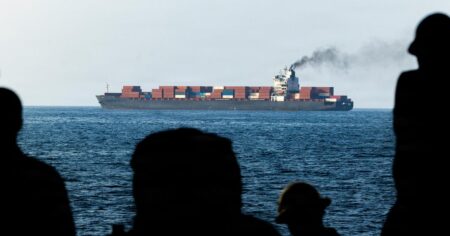
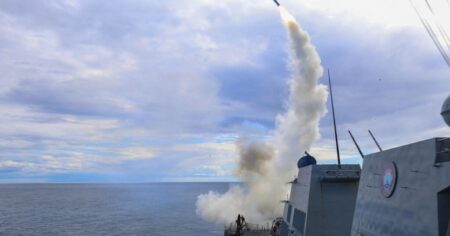
It’s been two months since the Iran war began, and Americans are already feeling the squeeze in their wallets in ways that will likely persist long after any peace agreement is reached. The conflict has sent shockwaves through the global economy, pushing gas prices past the painful $4-per-gallon mark, making homeownership even more difficult to achieve, and driving inflation to levels we haven’t seen in nearly two years. According to Mark Zandi, chief economist at Moody’s Analytics, the harm has already been inflicted on our economy, and there’s no easy path back to the prices we once knew. The war has effectively choked off one of the world’s most critical oil arteries—the Strait of Hormuz—through which roughly one-fifth of global oil supplies normally flow. This disruption has caused oil prices to skyrocket by an eye-watering 44% since the conflict began, with international benchmark Brent crude trading at $105 per barrel. The ripple effects are touching nearly every aspect of American life, from the gas pump to the grocery store, and economists are warning that we should buckle up for a prolonged period of economic discomfort that will extend well into 2026.
Why Recovery Will Take Time
The damage to energy infrastructure across the Middle East has been extensive, and experts say it will take considerable time before oil production returns to its pre-war capacity of 100 million barrels per day. Even in the most optimistic scenarios, economists don’t expect oil prices to return to their pre-conflict levels anytime soon. While there’s hope that prices might moderate somewhat later this year, multiple forecasts suggest they’ll remain elevated throughout 2026. Lydia Boussour, a senior economist at EY-Parthenon, explains that full normalization will require patience, particularly when it comes to rebuilding supply chains and restoring energy production capacity. The “lingering impacts” of the war, as she describes them, will continue to reverberate through the global economy long after the last shot is fired. It’s important to note that the Iran conflict isn’t operating in a vacuum—it’s compounding other economic challenges Americans are already facing. The rapid advancement of artificial intelligence is reshaping the job market, with tech giants like Meta and Microsoft announcing significant layoffs. Additionally, the ongoing uncertainty around tariff policies from the Trump administration continues to create headaches for businesses and consumers alike, especially after the Supreme Court struck down the so-called “liberation day” tariffs, leaving questions about what trade policies might come next.
Inflation: The Gift That Keeps on Taking
If there’s one economic indicator that has Americans particularly worried, it’s inflation. Economists are predicting that inflation figures for April will be uncomfortably high and will remain elevated throughout 2026. In March, the Consumer Price Index hit 3.3% on an annual basis—the highest we’ve seen since May 2024—driven largely by those surging energy costs. Even more concerning is the forecast for the Personal Consumption Expenditures price Index, which some experts believe could reach 4% by year’s end. That’s double the Federal Reserve’s target rate of 2%, and it represents a significant challenge for policymakers trying to maintain economic stability. Scott Lincicome, vice president of general economics at the Cato Institute, puts it bluntly: consumers want to see prices go down, but that’s simply not going to happen. Instead, Americans should prepare themselves for prices to remain higher than anyone would like. This persistent inflation is more than just an abstract economic concept—it directly affects people’s ability to afford the things they need and want, eroding purchasing power and forcing difficult choices about spending priorities.
The Consumer Pullback and Economic Growth Concerns
When gas prices spike and everyday items become more expensive, people naturally start to tighten their belts, and that consumer pullback creates serious concerns for overall economic growth. Since consumer spending accounts for roughly 70% of the nation’s Gross Domestic Product, any significant reduction in household spending can have outsized effects on the broader economy. Gregory Daco, chief economist at EY-Parthenon, projects that the war could shave 0.3 percentage points off GDP growth this year, bringing annual growth down to 1.8%—a noticeable slowdown from the 2.1% pace we saw in 2025. Boussour notes that this reduction in consumer spending is “really the key channel” through which the economic drag will manifest itself. The situation is further complicated by a softening labor market and weak wage growth, both of which chip away at people’s purchasing power. Interestingly, the data reveals a growing divide in how Americans are responding to these economic pressures. While overall spending has remained relatively resilient since the war began, Bank of America data shows that most of the growth is coming from higher-income households—people who typically have more money invested in the stock market, which has continued to reach new highs despite the war’s economic impact. For middle-class and lower-income Americans, however, the story is quite different, as they bear the brunt of higher prices with fewer financial cushions to fall back on.
Pain at the Pump and Beyond
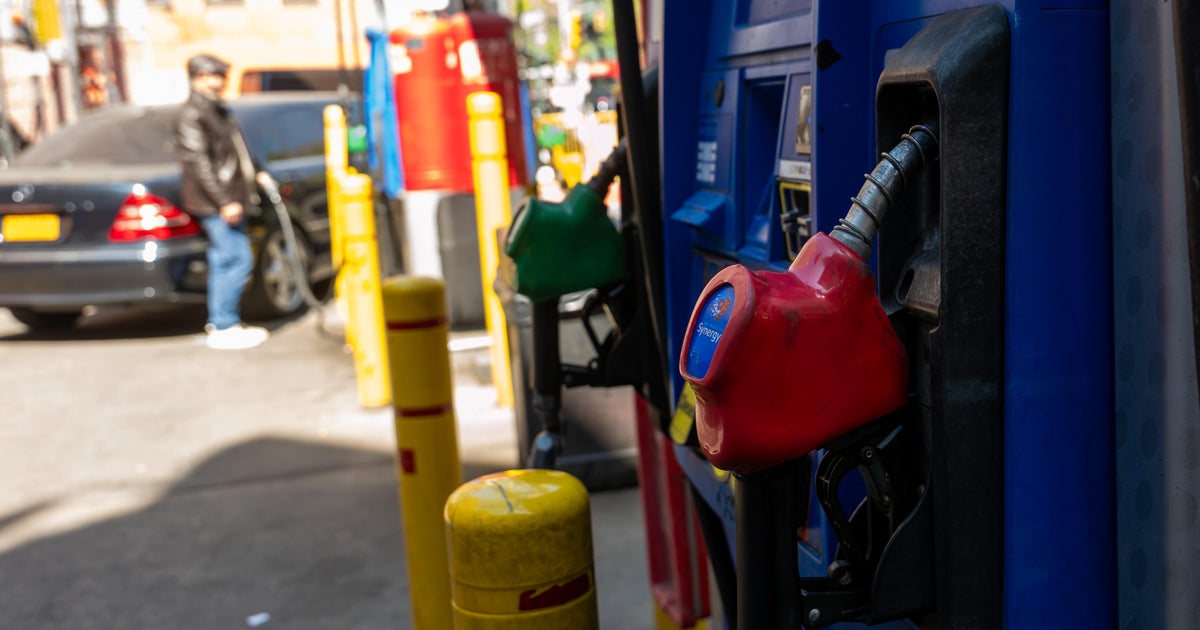
For most Americans, the most immediate and visible impact of the Iran war shows up every time they pull into a gas station. Gas prices have jumped more than a dollar per gallon since the conflict started, reaching an average of $4.06 nationwide as of Friday, according to AAA. That’s a significant increase from the pre-war price of $2.98 per gallon. Even under the most optimistic scenarios, Zandi suggests that gas might only drop to around $3.50 per gallon by the end of the year—still well above what we were paying before the war started. The impact of higher fuel costs extends far beyond personal vehicles. Summer travel plans are becoming increasingly expensive as airlines respond to jet fuel prices that have risen by more than $2 per gallon. Carriers are not only raising ticket prices but also bringing back or increasing baggage fees to help offset their higher operating costs. For families who’ve been looking forward to a vacation, these added expenses can mean the difference between taking that trip or staying home. The travel industry, which had been recovering from pandemic-related disruptions, now faces a new challenge that’s dampening demand and forcing businesses to make difficult decisions about pricing and service offerings.
The Broader Economic Ripple Effect
While the most obvious pain points have been in transportation and travel, economists warn that Americans will soon feel the pinch in many other areas of their daily lives. Higher diesel prices are increasing the cost of transporting goods across the country, and those costs inevitably get passed along to consumers. As Zandi puts it simply, “Anything that’s put on a truck is going to cost more”—and that includes everything from groceries to Amazon packages. The war’s impact on natural gas supplies adds another layer of concern, particularly for food prices. Fertilizer production relies heavily on natural gas, and with supplies constrained due to the conflict, fertilizer costs are rising. The International Energy Agency released a report predicting that the Middle East conflict will keep global natural gas supplies tight for at least two years. This constraint will likely translate into higher food prices as farmers face increased costs that they’ll need to recover through higher prices at the market. Lincicome notes that while wholesalers, distributors, and retailers can each absorb some of these increased costs, they can’t shoulder the entire burden—meaning consumers will inevitably see at least some of the price increases reflected on store shelves. The challenge for American families will be adapting to this new reality of persistently higher prices across multiple categories of essential goods. For those already struggling to make ends meet, these increases represent more than just inconvenience—they can force impossible choices between paying bills, buying groceries, or filling up the gas tank to get to work. As we move forward, the economic legacy of the Iran war will likely be measured not just in geopolitical terms, but in the daily financial struggles of ordinary Americans trying to maintain their standard of living in an increasingly expensive world.