



SEC Drops Civil Case Against BitClout Founder: What Happened and Why It Matters
The Unexpected End to a High-Profile Crypto Case
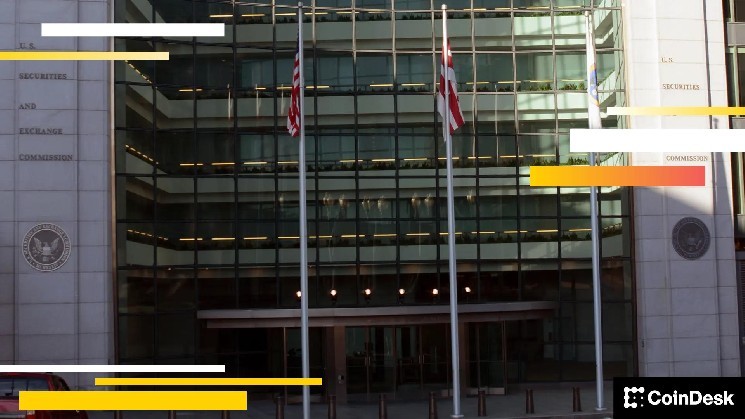
In a surprising turn of events that caught many in the cryptocurrency world off guard, the U.S. Securities and Exchange Commission (SEC) has officially closed its civil enforcement action against Nader Al-Naji, the founder of the controversial crypto social media platform BitClout. The decision, finalized through a joint stipulation filed on March 12 in the U.S. District Court for the Southern District of New York, brings an end to what many expected would be a lengthy legal battle. The SEC’s decision to walk away from the case was described as being “based on the particular facts and circumstances of this case,” a somewhat cryptic explanation that leaves many questions unanswered. This dismissal is permanent, meaning the SEC cannot come back later and refile the same claims against Al-Naji and the other defendants involved in the case. For those following the ongoing tensions between cryptocurrency innovators and federal regulators, this development represents an unexpected pivot in a case that once seemed destined for a courtroom showdown.
The Original Accusations: Millions Raised, Millions Questioned
The case originally grabbed headlines when the SEC filed its lawsuit in July 2024, alleging serious violations of securities laws through Al-Naji’s involvement with BitClout, a crypto-based social network project that later became associated with the decentralized social blockchain known as DeSo. The charges were substantial and serious—both the SEC and the Department of Justice accused Al-Naji of wire fraud and selling unregistered securities, allegations that could have resulted in severe penalties and potentially criminal consequences. According to the government’s claims, Al-Naji managed to raise an eye-popping $257 million through the sale of BitClout’s native cryptocurrency token, called BTCLT. However, the SEC alleged that things took a troubling turn regarding how those investor funds were actually used. The agency claimed that Al-Naji had led investors to believe their money would be properly allocated to pay him and other BitClout employees for their work developing the platform, which would have been a reasonable and expected use of investment capital. Instead, according to the SEC’s accusations, Al-Naji allegedly diverted “more than $7 million of investor funds on personal expenditures,” living a lifestyle that seemed disconnected from the startup grind typically associated with new tech ventures. These personal expenses allegedly included renting a luxurious mansion in the upscale Beverly Hills area and making “extravagant cash gifts” to others—expenditures that would certainly raise eyebrows among investors who thought their money was funding technological development rather than financing a lavish lifestyle.
The Cast of Characters: Multiple Defendants Named
The legal action didn’t just target Al-Naji individually—the case also named several “relief defendants,” a legal term for parties who may have received ill-gotten gains even if they weren’t directly involved in the alleged wrongdoing. These additional defendants included Buse Desticioğlu Al-Naji and Joumana Bahouth Al-Naji, who appear to be family members, as well as several corporate entities: Intangible Holdings LLC, Firestorm Media LLC, Viridian City LLC, and the DeSo Foundation. By naming these relief defendants, the SEC was signaling its intent to recover funds that may have been transferred or distributed beyond just Al-Naji himself, casting a wider net in its enforcement action. This approach is common in cases where regulators believe assets may have been moved around to shield them from potential recovery. The inclusion of the DeSo Foundation is particularly noteworthy, as it represents the organizational structure behind the evolved version of the original BitClout platform, suggesting the SEC was looking at the entire ecosystem surrounding the project rather than just focusing on one individual or the initial platform launch.
BitClout’s Controversial Launch: Innovation or Invasion of Privacy?
To understand why this case garnered so much attention, it’s important to look back at BitClout’s debut in early 2021, which was nothing short of explosive—and not necessarily in a good way. The platform was promoted as an innovative proof-of-work blockchain specifically designed to run and monetize social media, promising to revolutionize how creators and influencers could profit from their online presence. However, BitClout’s launch strategy immediately sparked fierce controversy. The platform took the unusual step of automatically creating profiles for thousands of prominent figures by scraping their accounts on X (which was still known as Twitter at the time) without asking for permission or even informing these individuals that their identities were being used on a cryptocurrency platform. This aggressive approach to user acquisition didn’t sit well with many of the people whose names and likenesses were suddenly associated with a crypto project they had never heard of. The backlash was swift and serious enough that law firm Anderson Kill sent a cease-and-desist letter to BitClout, alleging violations of California’s right-of-publicity law, which protects individuals’ rights to control the commercial use of their identity. Beyond the privacy concerns, critics raised substantive questions about the platform’s fundamental design. The project’s “creator coin” model, which allowed users to buy and sell tokens associated with specific individuals, was criticized for potentially incentivizing reputational attacks—a troubling scenario where users could profit from “shorting” someone’s token while simultaneously spreading damaging information about that person to drive the token’s value down. Additionally, users discovered that while they could easily convert their bitcoin into BitClout’s BTCLT token to use the platform, there was no straightforward way to convert it back, effectively trapping their funds within the BitClout ecosystem, a limitation that many viewed as manipulative and concerning.
High-Profile Backing Despite the Backlash
Despite all the controversy and criticism swirling around BitClout, Al-Naji maintained that the project had attracted backing from some of the most prestigious venture capital firms in the technology and cryptocurrency worlds. According to Al-Naji’s statements, investors included Andreessen Horowitz (one of Silicon Valley’s most influential venture firms), Sequoia (another top-tier VC with a legendary track record), Coinbase Ventures (the investment arm of the largest U.S. cryptocurrency exchange), and Digital Currency Group (a major player in the crypto investment space). This list of backers is significant because these firms are known for conducting thorough due diligence before investing, which raises questions about how such sophisticated investors came to support a project that would later face serious regulatory action. It’s worth noting that having major venture capital backing doesn’t necessarily indicate wrongdoing by those investors—they may have had different information at the time of their investment, or their relationship with the project may have been structured differently than public investor involvement. Nevertheless, the presence of these well-known names added another layer of complexity to the case and demonstrated just how mainstream and well-connected the BitClout project had become, at least for a time, despite its controversial methods and the growing concerns about its operations.
The Settlement and What It Means Going Forward
In the final resolution of the case, Al-Naji and the relief defendants agreed to waive any claims for attorney’s fees or damages related to the investigation or litigation, essentially agreeing not to countersue or seek compensation for the legal battle they’ve been through. This waiver is a standard component of many settlement agreements and helps ensure a clean break between the parties. However, what makes this resolution particularly interesting is what it doesn’t include—there’s no mention of any financial penalties, disgorgement of profits, or admission of wrongdoing, which are typical components of SEC settlements in cases involving alleged securities violations. The SEC’s cryptic statement that the dismissal was based on “the particular facts and circumstances of this case” leaves considerable room for speculation about what changed between July 2024, when the charges were filed with apparent confidence, and March 2025, when the agency decided to walk away entirely. Possible explanations could include difficulties with evidence, changes in legal strategy, resource allocation decisions, or perhaps facts that came to light during discovery that caused the SEC to reassess the strength of its case. For the broader cryptocurrency industry, this dismissal sends a somewhat mixed message. On one hand, it might be seen as a victory for crypto entrepreneurs who have long argued that regulatory agencies sometimes overreach in their application of securities laws to blockchain projects. On the other hand, the fact that the case was brought at all, and involved such serious allegations, serves as a reminder that regulatory scrutiny of cryptocurrency projects remains intense, and founders should expect their actions and statements to investors to be examined closely. For Al-Naji personally, while the dismissal means he avoids what could have been devastating civil penalties, questions about his conduct and the use of investor funds will likely linger in the minds of many in the crypto community, potentially affecting his ability to launch future projects or attract investment. The BitClout saga ultimately serves as a cautionary tale about the importance of respecting privacy laws, creating transparent mechanisms for users to access and withdraw their funds, and ensuring that investor money is used for its stated purposes—lessons that apply far beyond just the cryptocurrency world.