


Battle of the Marching Bands: What to Expect at the HBCU Football Championship
The Spectacle Beyond the Game
When fans fill the stadium for Saturday’s Cricket Celebration Bowl, they’re not just coming to watch a football game—they’re coming for a complete cultural experience that sets Historically Black Colleges and Universities (HBCUs) apart from any other college athletics event in America. Isaac Williams, a former HBCU drum major and instructor, knows this better than most. With years of experience leading and teaching some of the most talented musicians in collegiate marching bands, Williams understands that the halftime show at an HBCU football championship isn’t merely an intermission—it’s often the main event itself. The anticipation building toward this year’s Cricket Celebration Bowl isn’t just about which team will claim victory on the gridiron; it’s equally about which band will deliver the most memorable performance, the most intricate formations, and the most electrifying musical arrangements. For those unfamiliar with HBCU culture, this might seem surprising, but for anyone who has experienced the thunderous energy of these marching bands, the incredible musicianship, and the deep-rooted traditions they represent, it makes perfect sense. These bands don’t just play during breaks in the action—they are the heartbeat of the entire game day experience, creating an atmosphere that pulses with history, pride, and artistic excellence.
A Living Tradition Rooted in History and Pride
The cultural significance of HBCU marching bands extends far beyond entertainment value. These musical ensembles represent over a century of tradition, resilience, and African American cultural expression. According to Williams, who has devoted much of his career to preserving and advancing these traditions, HBCU bands emerged during a time when Black students were excluded from predominantly white institutions and had to create their own spaces for excellence and artistic expression. What developed was a distinctive style of performance that blended military precision with the improvisational spirit of jazz, the soulful energy of gospel, and the rhythmic complexity of African musical traditions. These bands became sources of immense pride for their campuses and surrounding communities, representing excellence and achievement during periods when Black Americans faced systematic discrimination and limited opportunities. The drum majors, section leaders, and band directors became respected figures in their communities, and the bands themselves became ambassadors for their institutions, often being the most visible and celebrated aspect of the college. Today, that legacy continues, with current band members understanding that they’re not just playing instruments—they’re carrying forward a tradition that their predecessors fought to establish and maintain. Every high-stepping routine, every perfectly synchronized formation, and every powerful musical arrangement is connected to this deeper history of cultural pride and institutional identity that makes HBCU bands uniquely meaningful in American culture.
The Unique HBCU Band Experience
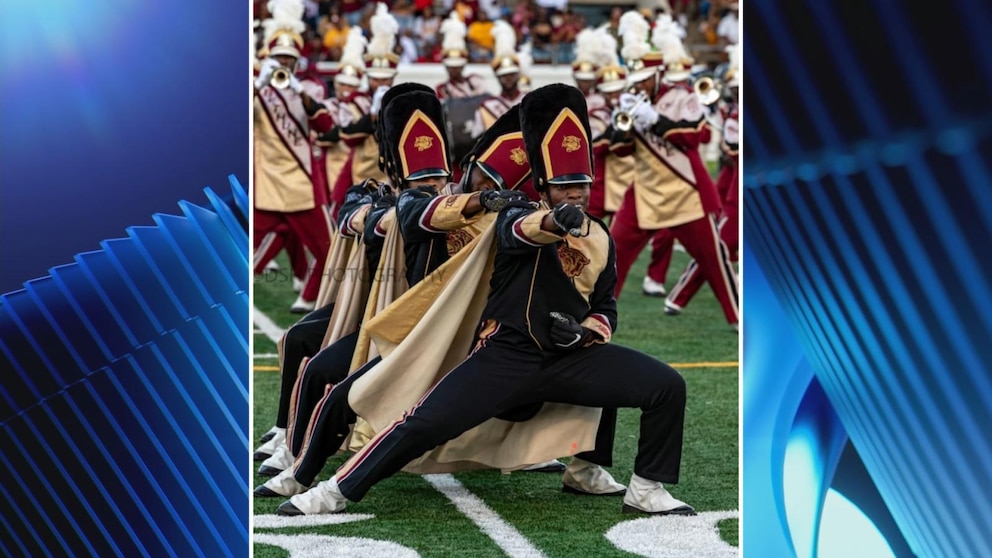
What makes HBCU marching bands different from their counterparts at predominantly white institutions? Williams points to several distinctive characteristics that set these programs apart and make them instantly recognizable to anyone familiar with the tradition. First, there’s the sheer energy and showmanship that HBCU bands bring to every performance. Unlike traditional college marching bands that might focus primarily on supporting the football team and performing pre-arranged halftime shows, HBCU bands are interactive, responsive, and constantly engaged with the crowd throughout the entire game. The stands become a stage where bands battle back and forth, playing popular songs, responding to touchdowns, and engaging in friendly musical competitions that keep the energy high even during game delays or timeouts. Second, there’s the distinctive instrumentation and sound. HBCU bands typically feature large brass sections that produce a powerful, rich sound, combined with dynamic drumlines that provide complex rhythmic foundations. The music selection tends to favor contemporary R&B, hip-hop, gospel, and pop arrangements alongside traditional marching repertoire, making the performances immediately accessible and exciting to audiences of all ages. Third, there’s the visual spectacle of the performance style itself. HBCU bands are known for their high-stepping marching technique, elaborate formations, and the showmanship of individual performers, from the drum majors with their athletic baton routines and commanding presence to the dancers who add another layer of visual excitement. Williams emphasizes that all of these elements come together to create something that transcends typical halftime entertainment—it becomes a form of cultural expression that connects past and present, honors tradition while embracing innovation, and transforms a football stadium into a celebration of Black excellence and creativity.
Preparing for the Championship Performance
The preparation that goes into a championship-level HBCU band performance is nothing short of extraordinary. Williams, drawing from his experience as both a drum major and instructor, describes the intense dedication required from everyone involved in these programs. Band members at competitive HBCU programs often spend more time practicing and performing than the athletes on the field. Early morning rehearsals, long afternoons perfecting drill formations, evening sectionals to master musical arrangements, and weekend performances create a schedule that demands serious commitment and sacrifice. For championship games like the Cricket Celebration Bowl, the preparation intensifies even further. Directors and arrangers spend weeks creating custom musical arrangements and designing innovative field shows that will showcase their band’s unique strengths and make a lasting impression. Drum majors work on their signature entrances and conducting routines, knowing that all eyes will be on them as the leaders of the ensemble. Section leaders drill their musicians on precision and technique, ensuring that every note is clean and every step is synchronized. The dancers rehearse their choreography until it becomes second nature, and the drumline perfects the intricate cadences and rhythms that will drive the performance. Beyond the technical preparation, there’s also significant attention paid to appearance and presentation—uniforms are meticulously maintained, equipment is polished to perfection, and every detail is considered because these bands understand that they’re representing not just themselves, but their entire institution and community. This level of preparation reflects the seriousness with which these programs approach their craft and the high standards they maintain.
What Fans Can Expect This Saturday
For those attending or watching Saturday’s Cricket Celebration Bowl, Williams offers insights into what makes this particular event so special and what to look for during the performances. First, expect both bands to bring their absolute best material. Championship games attract national attention and provide a platform that these programs take very seriously. The arrangements will likely feature current popular songs mixed with classics, performed with the powerful sound and tight precision that characterize top-tier HBCU bands. The halftime shows will be carefully choreographed spectacles featuring formations that might include everything from intricate geometric patterns to representations of cultural symbols or messages relevant to current social moments. The drum majors will deliver performances designed to energize their bands and wow the crowd, potentially including athletic maneuvers, dance elements, and signature moves that fans will be talking about long after the game ends. The drumlines will likely engage in particularly spirited exchanges, as these sections often carry a special competitive intensity and pride in their craft. Beyond the official halftime performances, expect the stands to be alive with music throughout the entire game. HBCU bands don’t wait for designated performance times—they’re constantly playing, creating an atmosphere that’s more like a concert than a typical football game. The “fifth quarter” is another tradition to watch for—after the game concludes, both bands often remain on the field for an extended performance session, continuing to play and compete even after the football outcome has been decided. This tradition reflects the reality that for many attendees, the band performances are just as important as the game itself, and the experience isn’t complete until both ensembles have had the chance to fully showcase their talents.
The Broader Cultural Impact and Future
The significance of HBCU marching bands extends well beyond individual game day experiences or even the preservation of tradition. Williams emphasizes that these programs continue to play a vital role in American musical culture and in providing opportunities for young Black musicians to develop their talents in environments that celebrate their excellence. Many professional musicians, music educators, and entertainment industry professionals trace their development back to their experiences in HBCU marching bands, where they learned not just musical skills but also discipline, leadership, teamwork, and performance artistry. The bands also serve important functions within their communities, performing at civic events, participating in major parades and celebrations, and serving as sources of pride and connection for alumni and supporters scattered across the country. In recent years, HBCU bands have gained increased mainstream recognition, appearing in major media productions, performing at high-profile events, and attracting larger audiences to their competitions and showcases. This growing visibility helps introduce new audiences to traditions that have existed for generations within Black communities and educational institutions. As Saturday’s Cricket Celebration Bowl approaches, Williams reflects on how these performances represent the ongoing vitality of HBCU culture and the continued relevance of these institutions in American education and society. The young people who will take the field as band members are part of an unbroken chain of musicians stretching back over a century, each generation adding their own innovations while honoring the foundations laid by those who came before. When the halftime show begins and the first powerful notes ring out across the stadium, it will be more than just entertainment—it will be a demonstration of cultural persistence, artistic excellence, and the enduring power of institutions created by and for Black communities to celebrate their own achievements on their own terms.