
Teen’s Inspiring First Bike Ride: A Heartwarming Story of Friendship and Support
A Milestone Moment Caught on Camera
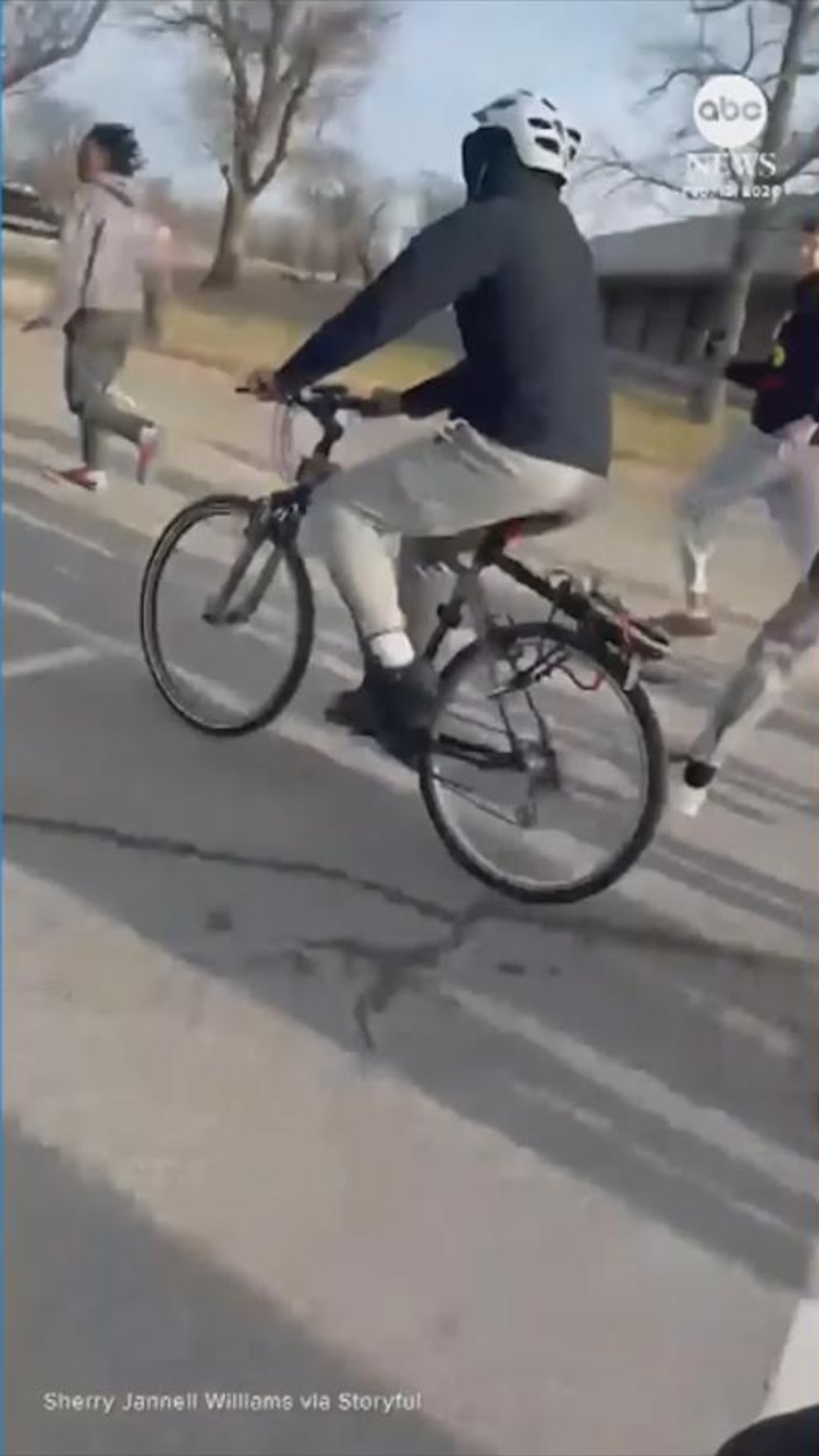
In a world where social media often highlights division and negativity, a beautiful story emerged from Fort Scott, Kansas, that reminds us of the power of friendship, patience, and community support. In February 2026, a teenager experienced one of childhood’s most celebrated milestones—learning to ride a bicycle for the first time. What made this moment truly special wasn’t just the achievement itself, but the incredible support system that surrounded him. His basketball teammates and coach rallied around him, offering vocal encouragement and unwavering support as he pedaled toward independence. The heartwarming scene was captured on video, quickly touching hearts far beyond the small Kansas community where it took place. This wasn’t just about learning to balance on two wheels; it was a powerful reminder that we all need cheerleaders in our lives, especially when facing challenges that others might take for granted.
The teenager’s journey to this moment likely involved overcoming personal obstacles that made learning to ride a bike more challenging than it might be for others. Whether due to physical challenges, lack of previous opportunity, fear, or other circumstances, this young man had reached his teenage years without mastering this common childhood skill. Rather than feeling ashamed or isolated by this, he found himself surrounded by people who saw not a deficit, but an opportunity—a chance to help a friend, teammate, and fellow human being achieve something meaningful. The fact that his basketball team took on this mission speaks volumes about the culture of support and inclusion that his coach had fostered. These weren’t just teammates who showed up for games and practices; they were friends who showed up for life’s important moments, however big or small they might seem to others.
The Power of Teammates Becoming Teachers
What makes this story particularly touching is the role reversal it represents. On the basketball court, these young people work together toward a common goal, each playing their position and supporting the team’s success. But in teaching their teammate to ride a bike, they stepped into an entirely different kind of teamwork—one that required patience, encouragement, and the willingness to celebrate progress measured in wobbly feet rather than points scored. The vocal support heard in the video demonstrates the genuine investment these teammates had in their friend’s success. Their cheers, encouragement, and excited reactions weren’t performative or obligatory; they were authentic expressions of joy at witnessing someone they cared about accomplish something difficult and meaningful.
This type of peer support is incredibly valuable during the teenage years, a time when young people are developing their identities and often face intense social pressure. Having friends who build you up rather than tear you down, who celebrate your victories rather than highlight your shortcomings, can make all the difference in a young person’s development. The basketball teammates in Fort Scott weren’t just teaching bike-riding skills; they were modeling compassion, patience, and the kind of friendship that extends beyond shared interests or abilities. They demonstrated that true friendship means showing up when someone needs help, offering encouragement when things get difficult, and celebrating wholeheartedly when success is achieved. These are lessons that will serve all of them well throughout their lives, long after their basketball-playing days are over.
The Coach’s Role in Building Character and Community
Behind every great team culture is leadership that prioritizes values beyond winning. The coach’s involvement in this bike-riding lesson speaks to a broader philosophy of what it means to develop young people through sports. Rather than focusing exclusively on athletic performance, this coach clearly understands that sports provide a unique opportunity to build character, foster relationships, and create a supportive community. By participating in or facilitating this teaching moment, the coach sent a powerful message to the entire team: we care about each other as whole people, not just as athletes. This approach to coaching creates an environment where young people feel valued, supported, and empowered to take on challenges both on and off the court.
Coaches who take this holistic approach to youth development often have a lasting impact on their players’ lives. Years from now, these basketball players may not remember every game they won or lost, but they will remember the day they helped their teammate ride a bike for the first time. They’ll remember the feeling of contributing to someone else’s success and the joy of witnessing a breakthrough moment. The coach who fostered this environment will be remembered not for win-loss records, but for the life lessons imparted and the inclusive community built. This is the kind of leadership that transforms sports programs from mere athletic training grounds into formative experiences that shape young people’s values and worldviews.
Why First-Time Achievements Matter at Any Age
Society often places arbitrary timelines on when certain milestones should be achieved, creating unnecessary shame for those who reach them on different schedules. Learning to ride a bike is typically associated with early childhood, which can make teenagers or adults who haven’t mastered this skill feel embarrassed or inadequate. This story challenges those assumptions and celebrates the courage it takes to attempt something new, regardless of when that attempt happens. The teenager in Fort Scott demonstrated remarkable bravery by being willing to learn in front of his peers, risking failure and potential embarrassment in pursuit of a new skill. His teammates’ supportive response created a safe environment for taking that risk, proving that with the right support system, it’s never too late to try something new.
First-time achievements carry special significance no matter when they occur. The feeling of accomplishment, the boost to self-confidence, and the expansion of what we believe ourselves capable of—these benefits don’t diminish because we’re older when we achieve them. If anything, overcoming the additional psychological barriers that come with being older can make the achievement even more meaningful. This young man’s successful bike ride represents more than just acquiring a new skill; it represents overcoming self-doubt, trusting in the support of others, and proving to himself that he can do difficult things. These are lessons that will transfer to countless other situations throughout his life, from academic challenges to career obstacles to personal relationships.
The Ripple Effect of Kindness Captured on Video
In our digital age, moments like these have the potential to reach and impact far more people than those directly involved. The video of this teenager learning to ride his bike, surrounded by cheering teammates, has the power to inspire viewers around the world. For other young people facing similar challenges, it provides a template of what supportive friendship looks like. For coaches and educators, it demonstrates the profound impact of creating inclusive, encouraging environments. For parents, it offers hope that their children can find communities that will support them through their individual challenges and celebrate their unique journeys. The simple act of capturing and sharing this moment extends its positive impact exponentially, creating ripples of inspiration and kindness that reach far beyond Fort Scott, Kansas.
Stories like this also serve as important reminders during difficult times. When headlines are dominated by conflict, division, and negativity, witnessing genuine human connection and kindness provides a necessary counterbalance. It reminds us that goodness exists in everyday moments, that young people are capable of remarkable compassion, and that communities can come together to support their members in meaningful ways. The video from Fort Scott isn’t just a feel-good story to be consumed and forgotten; it’s a call to action for all of us to be the kind of supportive presence in someone else’s life that these teammates were for their friend. It challenges us to look for opportunities to encourage, teach, and celebrate others, especially when they’re attempting something difficult or working to overcome obstacles.
The lasting legacy of this moment extends beyond the individual teenager who learned to ride a bike. His teammates learned valuable lessons about empathy, patience, and the joy of helping others succeed. The coach reinforced a team culture that values people over performance and relationships over records. The Fort Scott community gained a beautiful example of their young people’s character and compassion. And countless viewers around the world were reminded that kindness, support, and genuine human connection still exist and still matter. In just a few minutes of video, this group of teenagers and their coach demonstrated the best of what we can be when we choose to lift each other up, celebrate each other’s victories, and create communities where everyone belongs and everyone’s achievements are worthy of celebration. That’s a lesson worth learning, regardless of age, and a story worth sharing, regardless of where we call home.