


UAE Arrests Social Media Users for Posting Content About Iranian Attacks
Strict Cybercrime Laws Target Online Content Sharers
The United Arab Emirates is cracking down hard on social media users who share or possess digital content related to ongoing Iranian attacks on the Gulf state, according to warnings from the advocacy organization Detained in Dubai. The arrests underscore the UAE’s increasingly strict approach to regulating online content, with authorities explicitly prohibiting anyone from capturing or distributing images showing Iranian drone or missile strikes, their impacts, or even the country’s defensive efforts to intercept these weapons. What makes this situation particularly concerning for both residents and visitors is that the enforcement appears arbitrary and sweeping, catching everyone from tourists to foreign workers in its net, regardless of their intent or the perceived severity of their actions.
The breadth of these restrictions represents a significant escalation in how the UAE monitors and controls information flow during times of regional conflict. While many countries implement some level of information control during military operations for security reasons, the UAE’s approach has extended far beyond traditional operational security concerns to encompass virtually any visual documentation or commentary about the attacks. This has created an atmosphere of uncertainty and fear among the UAE’s diverse population of residents, workers, and tourists, many of whom may be unaware of these regulations or the serious legal consequences of violating them.
Expert Warnings About Arbitrary Enforcement
Radha Stirling, who serves as CEO of both Detained in Dubai and Due Process International and is recognized as an expert on legal and extradition matters throughout the Gulf region, has issued stark warnings about the dangers facing social media users in the UAE. According to Stirling, even seemingly minor online activities can result in detention under the country’s broad cybercrime laws. This includes not just original posts, but also reshares, comments, photographs, and expressions of opinion about the Iranian attacks and their consequences. Perhaps most alarmingly, Stirling emphasized that prosecution can occur “even if it was made outside the UAE,” suggesting that the country claims jurisdiction over content created beyond its borders if it relates to events within the UAE or is later accessed within the country.
As of Thursday, Stirling reported that at least 21 individuals were facing charges under these cybercrime laws, representing a diverse cross-section of people caught up in the enforcement sweep. The cases reveal both the indiscriminate nature of the crackdown and the apparent inconsistencies in how authorities are applying these rules. Among those charged is a 60-year-old British tourist who immediately complied with authorities’ request to delete a video he had taken, yet was still charged with an offense despite his cooperation and quick response. This case illustrates that even good-faith compliance may not protect individuals from prosecution once they’ve come to the attention of law enforcement.
Troubling Inconsistencies in Application
The enforcement of these cybercrime laws has revealed troubling inconsistencies that raise questions about equal application of justice in the UAE. Stirling pointed to what she described as “an interesting contrast” in how different individuals are being treated for essentially similar actions. In one notable example, an influencer who had posted content that garnered 300,000 views was merely instructed to delete the video and post a correction—a relatively lenient response that allowed them to avoid arrest and prosecution. Meanwhile, other people who were filming the same street scenes and events were reportedly arrested, suggesting that factors beyond the content itself may be determining who faces serious legal consequences and who receives a warning.
Stirling suggested that celebrity status may be one such factor, noting that “celebrities have long been afforded protected status in the UAE.” This observation points to a two-tiered system of justice where fame, influence, or perhaps wealth and connections can shield individuals from the full force of laws that are applied more harshly to ordinary residents, workers, and tourists. Such disparities in enforcement undermine the principle of equal justice under law and create a legal environment where arbitrary factors may determine whether someone faces life-disrupting prosecution or simply a request to remove content.
Vulnerable Foreign Workers Particularly at Risk
The cases that have emerged reveal that foreign workers, who make up a substantial portion of the UAE’s population, are particularly vulnerable to these aggressive prosecutions. Stirling described the detention of a Filipina domestic worker who was arrested near the iconic Burj Al Arab tower after taking a photograph while waiting for work. According to reports, police officers checked her phone, discovered an image related to the attacks or their aftermath, and immediately arrested her. This case is especially concerning because it involves someone from one of the UAE’s most vulnerable populations—domestic workers, who often have limited legal resources and protection, face language barriers, and may have little understanding of the country’s complex legal system.
Another troubling case involves a Vietnamese sailor from a cargo vessel who was detained in Fujairah after allegedly sharing video footage of missile activity. What makes this case particularly noteworthy is that the sailor reportedly filmed the video while he was outside UAE territory, yet he was still pursued by authorities. According to Stirling, the coast guard intercepted his vessel, brought him ashore, and he remained in detention as of Thursday. This extraterritorial application of UAE law raises serious questions about the limits of the country’s jurisdiction and the rights of foreign nationals who may document events from international waters or other locations outside the UAE’s borders.
Regional Context of Iranian Attacks
These arrests and prosecutions are taking place against the backdrop of escalating regional tensions and actual military attacks. The UAE is among several Gulf Arab countries that have faced retaliatory strikes from Iran following a campaign launched against Iran by the United States and Israel in late February. The conflict has brought the dangers of regional warfare directly to the UAE, a country that has spent decades cultivating an image as a stable, safe, and modern destination for business, tourism, and expatriate living. On Friday, the UAE’s defense ministry acknowledged the ongoing threat, stating that the country’s air defenses were “currently dealing with missile attacks and incoming drones originating from Iran.”
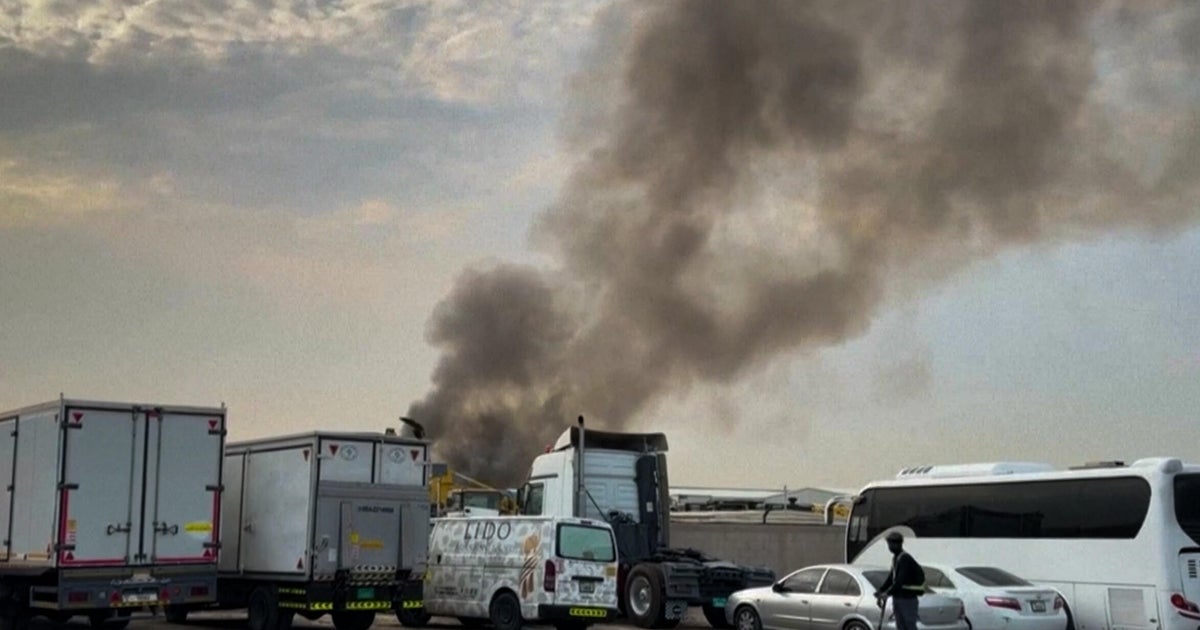
The ministry’s social media post provided some context for the sounds and activities that residents and visitors had been witnessing, explaining that “sounds heard in scattered areas of the country are the result of air defense systems intercepting ballistic missiles, as well as fighter jets intercepting drones and loitering munitions.” While these defensive measures appear to have been largely successful in protecting the UAE from significant damage, the very fact that such dramatic military activities are occurring has naturally prompted people to document what they’re witnessing. The government’s response—aggressively prosecuting those who share such documentation—reflects a determination to control the narrative about these attacks and their impact, even at the cost of criminalizing behavior that in many countries would be considered ordinary citizen journalism or simply sharing one’s experiences during extraordinary events.
The tension between the UAE’s desire to project an image of normalcy and control versus the reality of being targeted by Iranian missiles and drones has created this legal crackdown. For the diverse population living in and visiting the UAE—including the millions of foreign workers, expatriate professionals, and tourists who are unfamiliar with the full extent of the country’s speech and content restrictions—these prosecutions serve as a harsh reminder that the UAE’s modern appearance and international business hub status coexist with strict limitations on freedom of expression that can ensnare the unwary. Anyone in the UAE would be wise to exercise extreme caution about what they photograph, post, share, or even retain on their devices, as the consequences of running afoul of these broad cybercrime laws can be severe and apparently arbitrary.