
Murder at the U: ESPN and 20/20 Preview New Investigation
A Shocking Crime That Rocked College Football
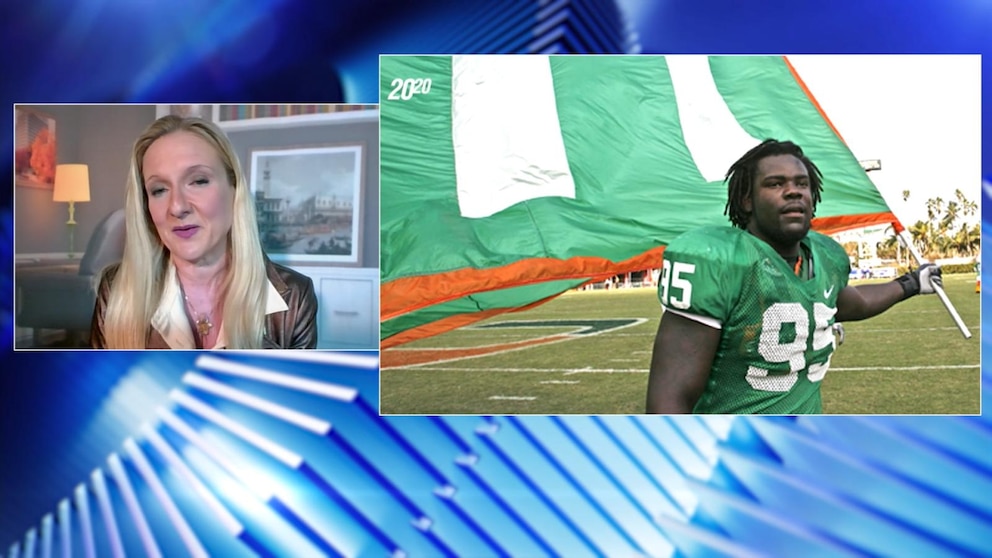
The world of college football was forever changed when a horrific crime took place at one of America’s most prestigious athletic programs. ESPN and ABC’s 20/20 are joining forces to present a comprehensive investigation into a murder case that shocked the University of Miami and the entire sports community. This collaborative documentary promises to shed new light on a tragedy that has haunted the storied football program known as “The U” for years. The investigation delves deep into the circumstances surrounding the death, examining not only what happened on that fateful day but also the culture and environment that may have contributed to such a devastating outcome. Through exclusive interviews, previously unseen evidence, and expert analysis, this joint presentation aims to provide viewers with the most complete picture yet of a case that has lingered in the shadows of one of college football’s most dominant programs. The documentary represents a significant effort by two of the most respected names in sports and investigative journalism to uncover the truth behind a crime that has raised serious questions about accountability, campus safety, and the sometimes dangerous intersection of athletic glory and personal responsibility.
The Legacy of “The U” and Its Cultural Impact
The University of Miami’s football program has long been synonymous with excellence, swagger, and controversy. Rising to prominence in the 1980s and continuing through the early 2000s, “The U” became a powerhouse that redefined college football with its aggressive playing style, flashy personalities, and undeniable talent. The program produced countless NFL stars and won multiple national championships, establishing itself as one of the most successful and recognizable brands in all of college sports. However, alongside the victories and celebrations, there has always been a darker narrative surrounding the program—one involving NCAA violations, questions about academic standards, and concerns about player conduct both on and off the field. This new investigation doesn’t shy away from examining this complex legacy, exploring how the culture of invincibility and special treatment that sometimes surrounds elite athletes might create an environment where boundaries blur and consequences seem distant. The documentary features interviews with former players, coaches, administrators, and law enforcement officials who provide context about what it was like to be part of this legendary program and how the intense pressure to win and maintain a tough image may have contributed to a toxic atmosphere. Understanding “The U” and its place in college football history is essential to comprehending how such a tragedy could occur within its walls and why it took so long for the full truth to emerge.
The Crime and Its Immediate Aftermath
The investigation centers on a murder that sent shockwaves through the University of Miami community and beyond, forcing people to confront uncomfortable realities about violence, privilege, and justice. According to the details that have emerged, the victim’s life was cut tragically short in circumstances that involved members of the football program, raising immediate questions about what happened, who was responsible, and whether the truth would ever fully come to light. In the immediate aftermath of the crime, there was confusion, conflicting accounts, and what some witnesses describe as attempts to control the narrative and protect the reputation of the football program. The ESPN and 20/20 investigation has uncovered new information about those crucial first hours and days after the murder, including details about the initial police response, how witnesses were interviewed, and what information may have been withheld or minimized during the early stages of the investigation. Family members of the victim, many of whom are speaking publicly for the first time, describe their anguish not only at losing their loved one but also at watching what they perceived as a system more interested in protecting powerful interests than in delivering justice. The documentary explores how the status of those involved may have influenced the investigation’s trajectory and whether different standards were applied because of the individuals’ connections to the prestigious football program. This section of the investigation is particularly powerful as it humanizes the victim, reminding viewers that behind the headlines and the institutional failures was a real person whose life mattered and whose death deserved a thorough and impartial investigation.
Uncovering New Evidence and Testimonies
One of the most compelling aspects of this joint ESPN and 20/20 investigation is the new evidence and testimonies that have been brought to light after years of silence. Investigative journalists spent months tracking down witnesses who had never before spoken publicly, obtaining documents through freedom of information requests, and consulting with forensic experts who reviewed the physical evidence with fresh eyes. Some former students and athletes have come forward with information that contradicts the official narrative that was established in the immediate aftermath of the crime, suggesting that there was more to the story than was initially reported. The documentary features dramatic interviews with individuals who describe feeling pressured to remain silent at the time, whether due to loyalty to the team, fear of retaliation, or the belief that speaking out would be futile given the power dynamics at play. Forensic experts consulted for the investigation point to aspects of the physical evidence that may have been overlooked or misinterpreted during the original investigation, raising troubling questions about whether the case was handled with the thoroughness and objectivity it deserved. Additionally, the documentary team obtained access to communications, including text messages and emails, that provide insight into what various parties knew and when they knew it. These revelations have prompted some legal experts featured in the documentary to suggest that the case warrants a fresh look from law enforcement and that justice may not have been fully served. The accumulation of this new information creates a powerful case for why this story needs to be reexamined and why those who have sought answers for so long deserve to have their concerns taken seriously.
Institutional Accountability and Systemic Failures
Beyond the specific details of the crime itself, the ESPN and 20/20 investigation examines broader questions about institutional accountability and the systemic failures that may have enabled or obscured what happened. The documentary explores how universities with major athletic programs sometimes struggle to balance their educational mission with the enormous financial and reputational pressures associated with fielding successful sports teams. Former administrators and university officials discuss the complex dynamics at play when a serious incident involves high-profile athletes, including the competing interests of supporting victims, ensuring due process, maintaining institutional reputation, and satisfying powerful stakeholders like donors and alumni. Some critics featured in the investigation argue that the University of Miami, like many schools with big-time athletic programs, had created a two-tiered system where athletes were held to different standards than regular students and where the football program wielded disproportionate influence over campus decision-making. The documentary also examines the role of local law enforcement and whether their handling of the case was influenced by the cultural and economic importance of the football program to the broader Miami community. Legal experts and advocates for victims’ rights discuss how these types of power imbalances can distort the pursuit of justice and create environments where those with less power feel their concerns will not be heard or addressed. The investigation doesn’t simply point fingers but attempts to understand the systemic pressures and structural problems that can lead well-meaning individuals to make decisions that prioritize institutional interests over individual justice. This broader context is crucial for understanding not just what happened in this particular case but also how similar tragedies might be prevented in the future through better policies, stronger oversight, and a cultural shift in how colleges and universities approach athlete conduct and accountability.
The Path Forward and Lasting Impact
As the ESPN and 20/20 investigation concludes, it offers viewers not just a recounting of past events but also a look toward the future and the changes that might emerge from this renewed scrutiny. Family members of the victim express cautious hope that the attention brought by this documentary might finally lead to meaningful accountability and perhaps even legal consequences for those who have escaped them thus far. Advocates for reform discuss the concrete steps that universities should take to ensure that all students, regardless of their status or the revenue they generate for the institution, are held to the same standards and that victims of crimes are treated with the dignity and seriousness they deserve. Some former members of the University of Miami community talk about the painful process of reckoning with the darker aspects of a program they once loved and the importance of acknowledging past mistakes as a prerequisite for meaningful change. The documentary also explores how this case fits into larger national conversations about campus safety, athlete privilege, and the commercialization of college sports. Since the murder occurred, there have been numerous other high-profile cases involving athletes and criminal conduct, suggesting that the problems identified in this investigation are not unique to Miami but reflect broader cultural and structural issues within college athletics. By bringing these issues into the light and refusing to let this case be forgotten, the ESPN and 20/20 investigation serves as both a memorial to the victim and a call to action for institutions everywhere to do better. The lasting impact of “Murder at the U” may ultimately be measured not just by what it reveals about the past but by the changes it inspires for the future, ensuring that no family has to endure what this victim’s loved ones have experienced and that the pursuit of athletic glory never again takes precedence over basic human decency and justice.