
WNBA Season in Jeopardy as Labor Agreement Deadline Approaches
The Women’s National Basketball Association finds itself at a critical crossroads as the collective bargaining agreement between the league and its players approaches its expiration date. With time running short and significant issues still on the table, basketball fans across the country are watching nervously to see whether the upcoming season will tip off as scheduled or if America’s premier women’s basketball league will face its first work stoppage. The negotiations represent more than just contract talks—they’re about the future direction of a league that has experienced unprecedented growth in popularity and revenue over recent years, yet still struggles to provide its athletes with compensation and working conditions comparable to other professional sports leagues.
Growing Pains of a League on the Rise
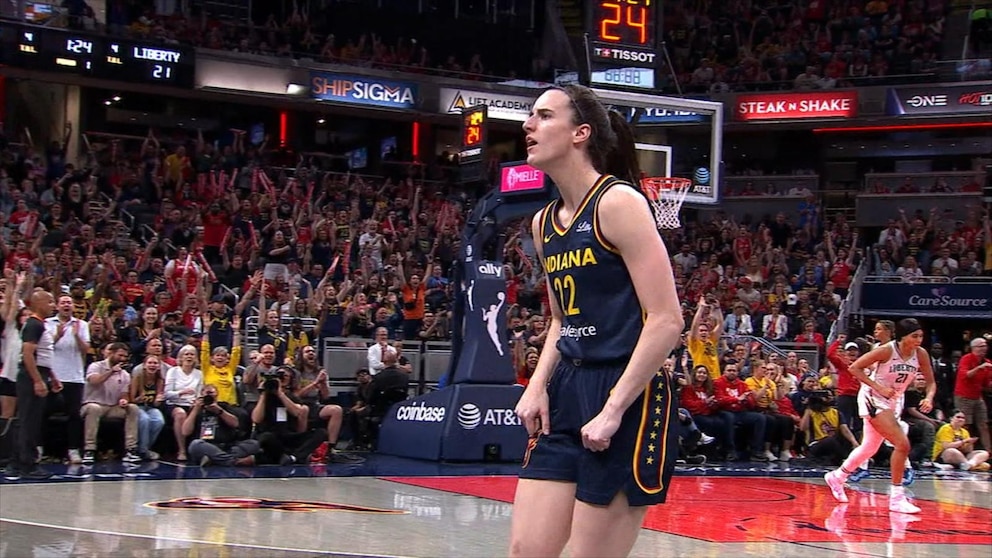
The WNBA has experienced remarkable momentum in recent seasons, with viewership numbers climbing, attendance records being broken, and corporate sponsorships flowing in at levels never seen before in the league’s history. Stars like Caitlin Clark, A’ja Wilson, and Breanna Stewart have become household names, transcending the sport itself and becoming cultural icons who command massive social media followings and lucrative endorsement deals. The league has successfully capitalized on increased interest in women’s sports generally, benefiting from a cultural shift that has seen fans demanding more coverage and investment in female athletes. Television ratings have surged, merchandise sales are up, and the overall profile of the WNBA has never been higher. However, this success has created a stark contrast with the financial realities that players face, with many still needing to play overseas during the off-season to supplement their WNBA salaries—a situation that players and advocates argue is both unsustainable and unfair given the league’s growth trajectory.
The current collective bargaining agreement, which both sides are working to replace, was negotiated during a very different era for the WNBA. While that agreement included important improvements such as enhanced maternity benefits, better travel accommodations, and salary increases, the landscape has changed dramatically since those terms were set. Players now have significantly more leverage than they did during previous negotiations, armed with evidence of the league’s financial growth and their own increased marketability. The union representing WNBA players has made it clear that they expect compensation to reflect the value they bring to the league and the revenue they help generate. They’re pushing for substantial increases in base salaries, a larger share of basketball-related income, improved benefits packages, and better working conditions including travel arrangements and practice facilities. The players’ position is straightforward: as the league grows and becomes more profitable, those who make it possible—the athletes themselves—should share in that prosperity proportionally.
Key Sticking Points in the Negotiations
Several major issues have emerged as potential deal-breakers in these high-stakes negotiations. Chief among them is compensation structure and overall salary levels. Currently, the average WNBA salary hovers around a figure that pales in comparison to other professional sports leagues, even when accounting for differences in revenue. While players understand that the WNBA doesn’t generate the same total revenue as the NBA, they argue that they deserve a significantly higher percentage of the revenue that is generated. The percentage of revenue that goes to players in the WNBA is substantially lower than in most other professional sports leagues, including the NBA where players receive approximately fifty percent of basketball-related income. WNBA players are seeking to close this gap substantially, arguing that their current share doesn’t reflect industry standards or their contribution to the league’s success.
Another critical issue involves working conditions and the overall treatment of athletes as professionals. Many WNBA players have spoken publicly about conditions that they feel don’t meet professional standards, including commercial flights with multiple connections instead of charter flights, inadequate training facilities, and limited support staff compared to their male counterparts. While some improvements have been made in recent years, players argue that much more needs to be done to ensure they can perform at their highest level and maintain their health throughout grueling seasons. The issue of charter flights has become particularly contentious, as players point out that better travel conditions would reduce injury risk, improve recovery time, and enhance performance—all factors that would benefit both players and the league itself. The league has cited cost concerns, but players counter that these investments would pay dividends through better play and healthier athletes who can sustain longer careers.
Free agency rights and player movement have also emerged as significant negotiation points. Players are seeking more flexibility in controlling their careers, including adjustments to restricted free agency rules and modifications to the current system that limits player mobility. They argue that greater freedom would create a more competitive marketplace for their talents, ultimately driving up salaries and giving athletes more control over their professional destinies. Additionally, issues surrounding off-season play have entered the conversation. While many players still need to compete overseas to earn a living wage, both sides recognize the risks involved, including the potential for injuries that could impact their WNBA performance and the physical toll of essentially year-round basketball without adequate rest. Players want the option to play overseas without league interference, while also seeking domestic salaries that would make international play a choice rather than a financial necessity.
The Stakes Have Never Been Higher
For the WNBA players, these negotiations represent a pivotal moment in the league’s history and their own professional lives. Many athletes have sacrificed tremendously to reach the pinnacle of their sport, only to find themselves struggling financially despite being among the best in the world at what they do. The emotional weight of these negotiations cannot be overstated—players are fighting not just for themselves but for the next generation of female basketball players who dream of making a sustainable living doing what they love. There’s a sense among players that this moment demands courage and solidarity, that accepting insufficient terms now would set back the cause of women’s professional basketball for years to come. They’ve watched the league grow, seen the crowds get bigger, witnessed the television deals improve, and felt the cultural zeitgeist shift in favor of women’s sports—and they believe that now is the time to secure their fair share.
From the league’s perspective, the calculations are complex and challenging. WNBA executives must balance the undeniable momentum and growth of recent years against financial realities that remain complicated. While revenue has increased, the league has historically operated at a loss, subsidized by the NBA. League officials argue that they need to maintain financial sustainability and can’t simply mirror the NBA’s compensation structure when the revenue bases are so different. They point to investments they’ve made in marketing, broadcasting, and overall league infrastructure, arguing that these expenditures are necessary for long-term growth even if they limit what’s available for player compensation in the short term. There’s also concern that agreeing to terms that stretch the league’s finances too thin could jeopardize the WNBA’s future, potentially harming the very players they’re negotiating with. The league faces the difficult task of recognizing players’ legitimate demands while maintaining fiscal responsibility and continuing to invest in growth initiatives that will benefit everyone long-term.
What Happens If There’s No Deal?
As the deadline approaches, the possibility of a work stoppage looms larger. If the two sides cannot reach an agreement before the current CBA expires, several scenarios could unfold, none of them particularly appealing to anyone involved. A lockout—where owners prevent players from working until a new agreement is reached—could result in delayed season start, canceled games, or even the loss of an entire season. Alternatively, players could vote to strike, withholding their labor until their demands are met. Either scenario would be devastating not just for the players who would lose paychecks and the league which would lose revenue, but for fans who have recently discovered or rediscovered their passion for women’s basketball, for young girls who see WNBA players as role models, and for the broader momentum that women’s sports has been building.
The ramifications would extend beyond the immediate parties at the negotiating table. Television partners and sponsors who have invested significantly in the WNBA would face programming gaps and questions about return on investment. Arena workers, team staff, and countless others whose livelihoods depend on the WNBA season would face financial uncertainty. Perhaps most importantly, the cultural moment that the WNBA has been enjoying could dissipate, with casual fans who have recently embraced the league potentially moving on to other entertainment options. Both sides understand these stakes, which creates pressure to find common ground but also raises the ante—players know that the league has a lot to lose, which strengthens their negotiating position, while the league knows that players would be gambling with the very momentum that has made their enhanced demands possible. The tension between these competing pressures will likely define the final stages of negotiations as the deadline approaches and both sides determine whether they’re willing to risk everything to get the deal they want or whether compromise becomes the only viable path forward. Regardless of the outcome, these negotiations will shape the WNBA’s future for years to come, determining whether the league can capitalize on its current momentum or whether labor strife will interrupt its remarkable growth trajectory.