

Hangin’ With Herm: ESPN Analyst Herm Edwards Recaps Week 10 of NFL Action
The Giants’ Leadership Shakeup and What It Means for the Franchise
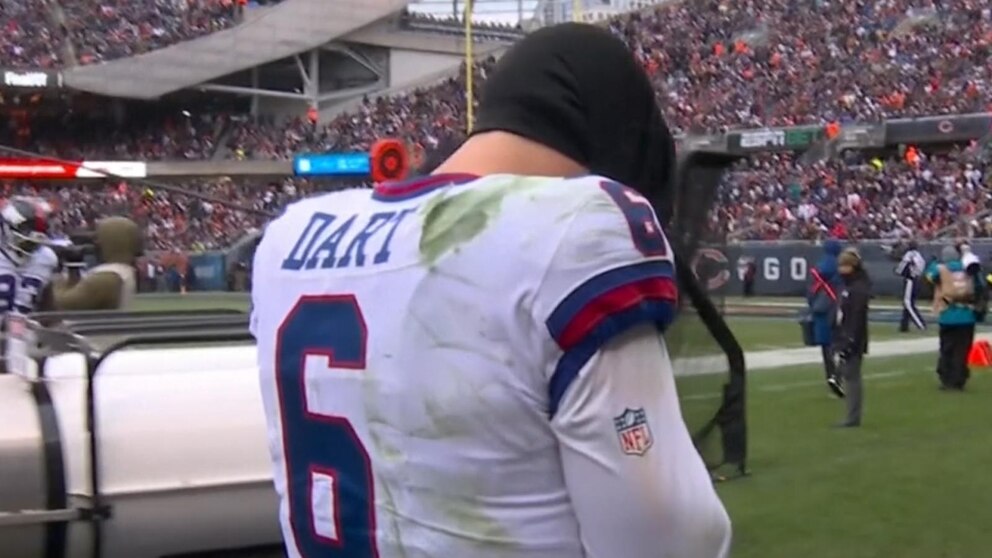
When ABC News’ Linsey Davis sat down with ESPN analyst and former NFL coach Herm Edwards to discuss Week 10 of NFL action, one of the most pressing topics on the table was the New York Giants’ recent leadership changes. The Giants organization has been in turmoil, and Edwards, known for his straightforward analysis and years of coaching experience, didn’t hold back in his assessment of what’s happening in New York. The decision to shake up the leadership structure mid-season is never easy, and it reflects the desperation and urgency that comes when a franchise isn’t performing up to expectations. Edwards emphasized that leadership changes at this point in the season send a clear message: the current direction isn’t working, and something needs to change immediately.
Drawing from his own coaching experience with the New York Jets, Kansas City Chiefs, and years of observing NFL operations, Edwards explained that these kinds of decisions are never made lightly. There are countless factors at play—from player performance and coaching strategies to front office decisions and ownership expectations. When a team like the Giants, with such a storied history and passionate fanbase, finds itself struggling, the pressure intensifies exponentially. Edwards pointed out that New York is a market unlike any other in the NFL. The media scrutiny is relentless, the fans are demanding, and the expectations are always sky-high. This creates an environment where patience wears thin quickly, and leadership changes become almost inevitable when results don’t follow. He noted that while changing leadership can sometimes provide a spark or fresh perspective, it’s not a magic solution. The players still have to execute, the game plans still need to be sound, and the organizational culture needs to support success at every level.
The Dominant Return of the New England Patriots
Another major storyline that Edwards and Davis explored was the impressive resurgence of the New England Patriots. After years of questions about whether the Patriots could maintain their competitive edge in the post-Tom Brady era, Week 10 showcased a team that looked remarkably like the dominant forces that terrorized the league for two decades. Edwards was particularly impressed by how the Patriots organization has managed to reinvent itself while maintaining the core principles that made them successful. He credited head coach Bill Belichick’s ability to adapt and evolve, something that separates great coaches from good ones. The Patriots’ performance in Week 10 wasn’t just about winning—it was about how they won, displaying the kind of disciplined, fundamental football that has been their trademark.
Edwards broke down several aspects of what makes this Patriots team so formidable once again. First, he highlighted their defensive prowess, noting that New England has always built its success on having a defense that can control games and create opportunities for the offense. The way they’ve been able to shut down opposing offenses, force turnovers, and make crucial stops in critical moments reminded Edwards of the Patriots teams from their dynasty years. Second, he discussed their offensive efficiency. While they may not have the flashiest offensive statistics in the league, the Patriots have been remarkably effective at controlling the clock, converting on third downs, and making the plays that matter when games are on the line. This methodical, mistake-free approach to offense is classic Patriots football, and it’s clearly working. Edwards also praised the coaching staff’s ability to put players in positions to succeed and to make adjustments throughout games that keep opponents off balance. The Patriots’ return to dominance isn’t about one player or one aspect of the game—it’s about organizational excellence from top to bottom, something Edwards believes should be the model for every NFL franchise.
Monday Night Football and the Spectacle of Prime Time
The conversation naturally turned to Monday Night Football, one of the NFL’s premier showcase events that continues to captivate audiences across the country. Edwards, who has been part of many Monday Night Football games both as a coach and as an analyst, understands the unique pressure and excitement that comes with playing under the bright lights. He explained to Davis that there’s something special about Monday Night Football that transcends regular season games. It’s not just another game on the schedule—it’s an event, a moment where one game commands the entire nation’s attention. Players feel it, coaches feel it, and fans certainly feel it. The energy is different, the stakes somehow feel higher, and everyone wants to put on a show.
Edwards reflected on what makes Monday Night Football such an enduring institution in American sports culture. Since its inception, Monday Night Football has been about more than just the game itself; it’s been about entertainment, storylines, rivalries, and memorable moments that become part of NFL lore. He recalled some of his own experiences coaching in Monday Night games, describing the mixture of nervous energy and excitement that permeates the locker room in the hours leading up to kickoff. Players who might not perform well in afternoon games somehow elevate their play on Monday nights. The television production, the commentary, the graphics, and the overall presentation all combine to create an atmosphere that makes even ordinary matchups feel significant. Edwards noted that for younger players, their first Monday Night Football appearance is often a career milestone they remember forever. For veterans, it’s a chance to prove they can still perform on the biggest stage. And for coaches, it’s an opportunity to showcase their team’s preparation and game-planning against a single opponent with the entire football world watching.
The State of the NFL Heading Into the Second Half of the Season
As the conversation progressed, Edwards provided his broader perspective on the NFL landscape as teams approach the critical second half of the season. Week 10 represents a crucial juncture point where playoff pictures start becoming clearer, pretenders are separated from contenders, and every game takes on added significance. Edwards emphasized that this is when coaching truly matters. Teams that have been well-coached and have strong organizational foundations typically start to pull away, while teams with underlying issues—whether in culture, preparation, or execution—begin to fall apart. He pointed to several teams that he believes are genuinely capable of making deep playoff runs, as well as some that might be surprising people with their records but have concerning underlying metrics.
Edwards was particularly interested in discussing how injuries, which inevitably accumulate as the season progresses, impact team fortunes. The NFL is a war of attrition, and the teams that can maintain depth and develop players throughout the season often find themselves in advantageous positions come December and January. He also talked about the mental aspect of the second half of the season. Teams that are in playoff contention need to maintain focus and intensity for every remaining game, knowing that a single loss could be the difference between making the playoffs or going home early. Conversely, teams that are effectively eliminated need to find ways to stay motivated, develop young players, and build foundations for future success. Edwards noted that how organizations handle adversity during these middle weeks of the season tells you a lot about their character and their prospects for the future. The NFL is unforgiving, and only the teams that can maintain excellence week after week, regardless of circumstances, ultimately achieve their championship aspirations.
Edwards’ Philosophy on Coaching and Leadership in Today’s NFL
Throughout the conversation, Edwards shared insights into his coaching philosophy and how leadership in the NFL has evolved over the years. Known for his passionate speeches and memorable quotes—particularly his famous “You play to win the game!” moment—Edwards has always been an advocate for accountability, preparation, and maintaining a competitive mindset. He explained to Davis that while the game has changed in many ways—with new rules, advanced analytics, and different player personalities—the fundamentals of good coaching remain constant. Players need clear expectations, consistent accountability, and coaches who genuinely care about their development both as players and as people. Edwards believes that too many organizations get caught up in trying to find scheme advantages or the perfect draft pick when they should be focusing on building strong cultures where players want to compete for each other and for their coaches.
Edwards also addressed how the role of coaches has expanded in the modern NFL. Today’s coaches need to be psychologists, motivators, strategists, administrators, media personalities, and organizational leaders all at once. The demands are immense, and the margin for error is small. He noted that successful coaches in today’s league are those who can delegate effectively, surround themselves with quality assistant coaches, and create environments where players take ownership of their preparation and performance. The days of authoritarian coaching are largely over; today’s players respond better to coaches who treat them with respect while still maintaining high standards. Edwards emphasized that this doesn’t mean being soft or lowering expectations—it means communicating clearly, being consistent, and creating accountability structures that players buy into. When those elements are in place, teams can achieve remarkable things even without the most talented roster in the league.
Looking Ahead: Predictions and Playoff Implications
As the interview concluded, Edwards offered his thoughts on what fans should watch for as the season progresses toward the playoffs. He identified several key storylines, including which teams are genuinely built for postseason success versus which ones might be regular season wonders that will struggle when the games become more physical and intense. Edwards has always believed that playoff football is different—it’s more about running the ball, stopping the run, and winning in the trenches. Teams that have invested in their offensive and defensive lines, that have championship-caliber quarterbacks who can perform under pressure, and that have coaches with the experience to make crucial in-game adjustments are the ones most likely to still be playing in January and February.
Edwards also discussed the importance of momentum heading into the playoffs. While some argue that playoff football is a fresh start where regular season performance doesn’t matter, Edwards disagrees. Teams that enter the playoffs with confidence, health, and positive momentum have significant advantages over teams that limped into the postseason. He encouraged fans to pay attention not just to win-loss records but to how teams are winning or losing. Are they dominating opponents or squeaking out close victories against weak competition? Are their stars healthy and playing well, or are they relying on career performances from unlikely sources? These details matter tremendously when projecting playoff success. As always, Edwards’ analysis combined his deep knowledge of the game with his authentic passion for football, making for compelling television and giving fans valuable insights into the complex world of professional football. His ability to break down complicated concepts into understandable terms while maintaining credibility from his years of coaching experience makes him one of the most respected voices in sports media today.