


Western United States Braces for Extended Heat Wave with Record-Breaking Temperatures
Historic Heat Descends on the American West
The western half of the United States is currently experiencing the beginning of what meteorologists are calling a significant and long-lasting heat wave, with forecasts indicating that these unusually hot conditions will persist for several days into the foreseeable future. A powerful high-pressure system has positioned itself over the western region, effectively creating a heat dome that is blocking any incoming weather systems that might bring relief in the form of precipitation or cooler temperatures. This atmospheric setup is creating ideal conditions for record-breaking heat to spread across a vast area, affecting millions of residents from the Pacific coast to the desert interior. While triple-digit temperatures are certainly expected in the Desert Southwest—where extreme heat is more common though still notable for this early in the season—what’s particularly remarkable about this heat wave is that even cities located much closer to the moderating influence of the Pacific Ocean are forecast to experience unseasonably and dangerously high temperatures that are well outside their normal range for this time of year.
Unprecedented Scale of Record-Breaking Temperatures Expected
The scope and intensity of this heat wave are truly extraordinary, with meteorologists tracking more than 600 potential record-breaking temperature readings expected to occur through the first half of next week alone. These records encompass both daily high temperatures during the afternoon hours and overnight low temperatures, which are particularly concerning from a public health perspective because warm nights prevent the human body from recovering from daytime heat stress. Some of the temperature records that are expected to fall have stood for more than a century, underscoring just how unusual this early-season heat event really is. Major metropolitan areas across the Southwest are in the crosshairs of this heat wave, with cities like Phoenix, Arizona, facing particularly historic conditions. The state capital is on track to experience its earliest 100-degree day since record-keeping began in the city back in 1896, potentially breaking a record that has stood since March 26, 1988. This milestone is especially significant for Phoenix, known as the “Valley of the Sun,” where detailed temperature records have been meticulously maintained for well over a century, providing a robust historical context that makes the significance of this heat wave all the more apparent.
Understanding What Makes This a True Heat Wave
To fully appreciate the significance of what’s happening across the western United States, it’s important to understand what meteorologists actually mean when they use the term “heat wave.” Technically speaking, a heat wave is defined as an extended period of unusually hot weather that typically lasts for two or more consecutive days, but the key factor is that these temperatures must be significantly outside the historical average for the specific area experiencing them. This definition is crucial because it means that what constitutes a heat wave varies dramatically depending on location and time of year. For example, a temperature reading of 100 degrees Fahrenheit would be considered perfectly normal and expected in Phoenix during the peak summer months of June, July, and August, when such temperatures occur regularly. However, that same 100-degree reading occurring before the official start of spring—which is exactly what’s happening now—is so far outside the normal range for this time of year that it absolutely qualifies as heat wave conditions. This context-dependent definition helps explain why this current event is generating so much concern among weather experts and public health officials, as it represents a significant departure from what communities across the region are typically prepared to handle at this point in the calendar year.
Widespread Alerts and Major Cities Affected
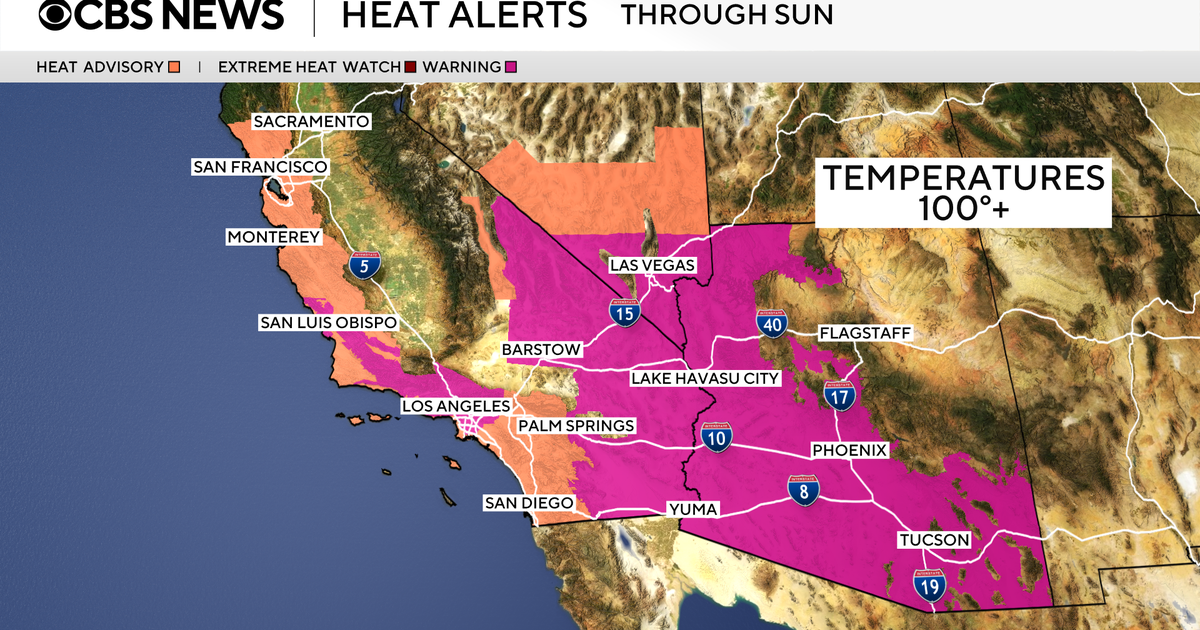
In response to the dangerous heat conditions developing across the region, the National Weather Service has issued a broad array of extreme heat warnings and heat advisories that are currently in effect through at least Sunday, with the strong possibility that these alerts will need to be extended even further as the heat wave continues to persist. These official warnings and advisories cover a remarkably diverse range of communities across the Southwest, from coastal cities to interior deserts, highlighting the widespread nature of this heat event. Major population centers under these heat alerts include San Francisco, Los Angeles, and San Diego along California’s coast, as well as interior cities like Palm Springs, which is accustomed to extreme heat but rarely this early in the year. The alerts also cover Las Vegas in Nevada, and extend into Arizona where both Phoenix and Tucson are preparing for potentially dangerous conditions. The geographic breadth of these warnings—stretching from the Pacific Ocean eastward across California, Nevada, and Arizona—demonstrates that this isn’t simply a localized hot spell affecting one particular valley or desert basin, but rather a major regional weather event that is impacting the daily lives and health of millions of people across multiple states.
Serious Health Risks and Safety Precautions
The dangers posed by heat waves extend far beyond mere discomfort, as extreme heat is actually the deadliest type of weather phenomenon in the United States when compared to all other weather-related hazards combined, including tornadoes, flooding, hurricanes, and lightning strikes. This sobering statistic underscores why public health officials take heat waves so seriously and why residents across the affected region need to take appropriate precautions to protect themselves and their families. If you find yourself needing to be outdoors for extended periods during this heat wave, it’s absolutely essential to drink plenty of water throughout the day to stay properly hydrated, even if you don’t feel particularly thirsty, as thirst is often a late indicator of dehydration. Taking regular breaks in shaded areas or, better yet, inside air-conditioned buildings can give your body crucial time to cool down and recover from heat exposure. It’s also important to limit any strenuous activities during the hottest parts of the day, particularly during the afternoon hours when temperatures typically peak. Those who work outdoors, participate in outdoor sports, or exercise outside should consider shifting their schedules to early morning or evening hours when conditions are somewhat cooler, and should be especially attentive to any signs of heat-related illness such as dizziness, nausea, confusion, or excessive fatigue, which can indicate heat exhaustion or the more serious condition of heat stroke.
Special Concerns for Vulnerable Populations
Beyond the general health risks that heat waves pose to the entire population, there are particular concerns for the most vulnerable members of our communities who face elevated risks during periods of extreme heat. One especially tragic and preventable danger that tends to increase during heat waves is hot car deaths among young children, a heartbreaking phenomenon that typically becomes more common during the summer months but could become a serious concern much earlier this year given the unseasonably early arrival of this intense heat. Parents, caregivers, and anyone who transports children should be especially vigilant about checking vehicles and never leaving children unattended in cars, even for brief periods, as vehicle interiors can reach lethal temperatures in a matter of minutes, even with windows cracked open. Additionally, elderly individuals, people with chronic health conditions, those taking certain medications, individuals without access to air conditioning, and those experiencing homelessness are all at heightened risk during heat waves and may need additional support and check-ins from family members, neighbors, and community organizations. As this heat wave continues to develop and persist across the western United States, communities are being called upon to look out for one another, ensure vulnerable neighbors have access to cooling centers and resources, and take the threat of extreme heat seriously as a legitimate public health emergency that requires both individual precautions and collective community response.