
The Thrilling Road to March Madness: Expert Predictions and What Makes 2026’s Tournament Special
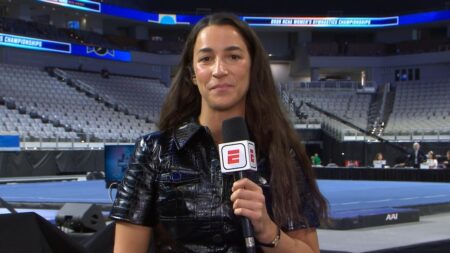
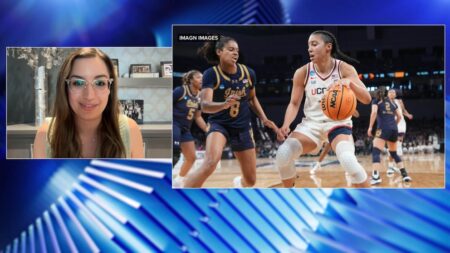
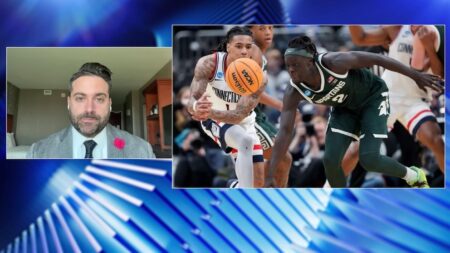
As college basketball fans across America prepare for one of the most anticipated sporting events of the year, the NCAA March Madness tournaments are generating unprecedented excitement. ABC News recently sat down with two legendary ESPN analysts—Fran Fraschilla and Carolyn Peck—to discuss what makes this year’s tournaments particularly compelling and which teams might cut down the nets when all is said and done. Both veterans of the game bring unique perspectives to the conversation: Fraschilla with his decades of coaching experience and analytical prowess, and Peck as a former player, coach, and one of the most respected voices in women’s basketball. Their insights reveal tournaments filled with parity, emerging stars, and storylines that transcend the hardwood, capturing the imagination of casual viewers and die-hard fans alike.
What makes March Madness so captivating isn’t just the basketball—it’s the human drama that unfolds over three weeks of single-elimination competition. Unlike professional sports with their seven-game series, college basketball’s tournament format means one bad night, one missed shot, or one moment of brilliance can end a season or create a legend. This year’s tournaments promise to deliver those heart-stopping moments in abundance. The women’s game, in particular, has seen explosive growth in popularity and viewership over recent years, with attendance records being shattered and television ratings climbing to unprecedented heights. Meanwhile, the men’s tournament continues its tradition of producing Cinderella stories and buzzer-beaters that become permanent fixtures in sports history. As Fraschilla and Peck emphasized in their conversation with Linsey Davis, the 2026 edition features an unusual level of competitive balance, with multiple teams possessing legitimate championship credentials and no overwhelming favorite dominating the conversation.
The Men’s Tournament: A Wide-Open Field and Championship Contenders
When discussing the men’s bracket, Fraschilla highlighted just how open this year’s championship race appears to be. Unlike some previous years when one or two powerhouse programs seemed destined for the Final Four, the 2026 tournament features at least eight to ten teams with realistic championship aspirations. Traditional blue-blood programs are mixing with emerging powers and mid-major darlings who’ve proven throughout the season that they can compete with anyone. The coaching storylines alone provide compelling theater—from legendary veterans potentially coaching their final tournaments to young upstarts trying to make their mark on college basketball’s biggest stage. Player talent is distributed more evenly across the bracket than in recent memory, with several teams boasting multiple NBA-caliber prospects rather than one or two programs hoarding all the elite talent.
Fraschilla pointed to several specific teams that have captured his attention as genuine title contenders. He discussed programs that have shown the consistency and defensive intensity typically required to survive six consecutive wins against high-level competition. The analyst emphasized that championship teams usually possess certain characteristics: veteran leadership, particularly at the guard positions; defensive versatility that allows them to adjust to different styles; depth that can weather foul trouble or off-nights from key players; and that intangible quality of toughness that emerges in close games. Several teams this year check all these boxes, which is why predicting a champion feels particularly challenging. The absence of a dominant big man reshaping the game, combined with the proliferation of skilled perimeter players who can create shots and make plays, has created a style of play where games can swing dramatically based on three-point shooting variance—adding another layer of unpredictability to an already chaotic tournament.
The Women’s Tournament: Star Power and Sustained Excellence
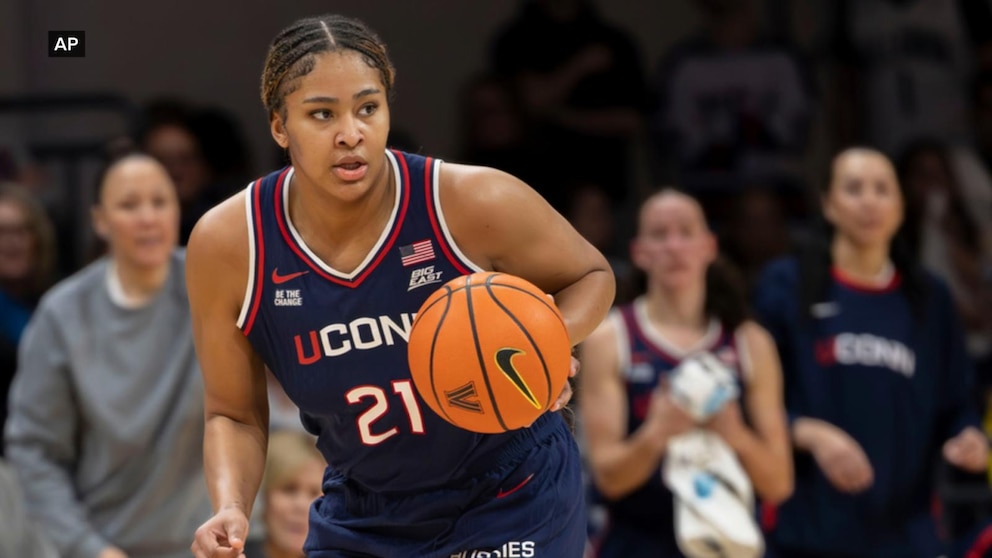
Turning to the women’s tournament, Carolyn Peck’s enthusiasm was palpable as she described the current state of women’s college basketball. The sport has reached new heights of popularity, driven by a combination of extraordinary individual talent, improved coaching across all levels of Division I basketball, and increased media coverage that has allowed fans to follow teams and players throughout the season. This year’s tournament features several generational talents—players whose skill level, basketball IQ, and competitive fire have drawn comparisons to WNBA stars and legends of the women’s game. These athletes aren’t just great college players; they’re legitimately elite basketball players by any standard, capable of performances that leave even casual observers in awe. Their presence has elevated the entire sport, raising the level of play and the expectations for what women’s college basketball can be.
Peck discussed specific programs that have established themselves as perennial championship contenders through sustained excellence and elite recruiting. She highlighted coaching legends who have built dynasties through their ability to develop talent, create winning cultures, and adapt their systems to the strengths of their rosters. But she also noted the rise of programs that have broken through the traditional hierarchy, proving that with the right combination of coaching, player development, and institutional commitment, new powers can emerge in women’s basketball. The competitive balance in the women’s tournament, while perhaps not quite as wide-open as the men’s bracket, still features numerous teams capable of making deep runs and potentially cutting down the nets. Peck emphasized that guard play would be particularly crucial in determining this year’s champion, as the best teams feature backcourts that can both create offense and apply defensive pressure that disrupts opponents’ rhythm.
The Cultural Phenomenon: Why March Madness Captivates America
Beyond the X’s and O’s, both Fraschilla and Peck reflected on why March Madness has become such a significant cultural phenomenon in American sports. The tournaments arrive at the perfect time of year—as winter reluctantly gives way to spring, offering fans a basketball feast that bridges the gap between football season and baseball’s opening day. The office pool tradition, where colleagues who might not follow college basketball all season suddenly become bracketology experts, creates a shared experience that transcends the sport itself. People who couldn’t name five players on any team find themselves emotionally invested in the outcome of games because their bracket depends on it. This democratization of fandom is unique to March Madness and helps explain its enduring appeal across different demographics and regions.
The tournament’s format also creates an urgency and drama that’s increasingly rare in modern sports. In an era of super teams and predictable outcomes in many professional leagues, March Madness delivers genuine uncertainty. A twelfth-seeded team really can knock off a powerhouse on any given night. A player from a small school nobody’s heard of can have a breakout performance on national television and become an overnight sensation. These Cinderella stories—underdogs defying expectations and capturing hearts—represent something fundamentally American about possibility and opportunity. As Peck noted, young people watching these tournaments see college athletes not much older than themselves achieving remarkable things on a massive stage, which creates an aspirational quality that resonates deeply. The human interest stories—players overcoming adversity, coaches getting their first tournament win, programs from small towns getting their moment in the spotlight—give the tournaments an emotional richness that pure athletic competition alone couldn’t provide.
Predictions, Surprises, and What to Watch For
As the conversation turned to specific predictions, both analysts showed the wisdom that comes from years of covering these tournaments: certainty is foolish, but educated guesses make for good television. Fraschilla offered his Final Four picks for the men’s tournament while acknowledging that history suggests at least one of his selections won’t make it. He emphasized watching for teams that peak at the right time—programs that might have struggled earlier in the season but have figured things out by tournament time often make the deepest runs. He also highlighted the importance of injury reports and which teams are genuinely healthy entering the tournament, as the grueling nature of conference tournament play followed immediately by the NCAA tournament can take a physical toll that affects performance. His dark horse pick—a team he thinks might surprise people—generated particular interest, as these selections often become the storylines people remember most.
Peck’s women’s tournament predictions focused not just on which teams might win but on individual players likely to have breakout performances that elevate their draft stock and cement their legacies. She discussed the importance of experience in women’s tournament play, noting that programs making their first deep runs often learn painful lessons before breaking through to championships. Her analysis of coaching matchups provided insight into the chess match that occurs alongside the actual games—how certain coaches’ styles match up against others, which mentors have the best track record of making in-game adjustments, and which programs have the depth to survive the war of attrition that tournament play inevitably becomes. Both analysts agreed that fans should watch for pace of play as a key indicator—teams that can control tempo and impose their preferred style on opponents typically advance furthest, while teams forced to play outside their comfort zone often see their seasons end prematurely.
These tournaments represent the culmination of a season’s worth of work for players and coaches, the realization of dreams for some and heartbreak for others. As tip-off approaches, the anticipation builds toward those first-round upsets, the bracket-busting moments, and ultimately, the crowning of two national champions who will forever be remembered in their respective programs’ histories. Whether you’re a passionate fan who’s followed every game or a casual observer filling out a bracket on a hunch, March Madness offers something special—a reminder of why we love sports, why competition matters, and why sometimes the most memorable victories come from the most unexpected places.