


Senate Votes Down Resolution to Limit Trump’s Military Action Against Iran
Democrats Fall Short in Bid to Restrict Presidential War Powers
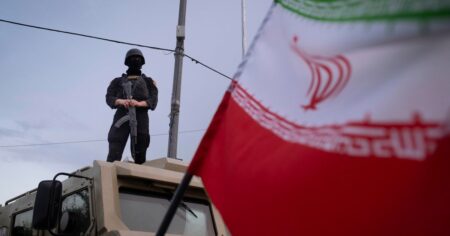
In a significant development on Capitol Hill, the United States Senate rejected a war powers resolution this Wednesday that sought to restrain President Trump from escalating military operations against Iran. The measure was defeated by a vote of 53 to 47, marking the third unsuccessful attempt by Democrats to curb the president’s authority to conduct military strikes without explicit congressional approval. The vote took place as the Iran operation neared its fourth week, raising growing concerns among lawmakers about the absence of a clear exit strategy and the potential for further military escalation in the region.
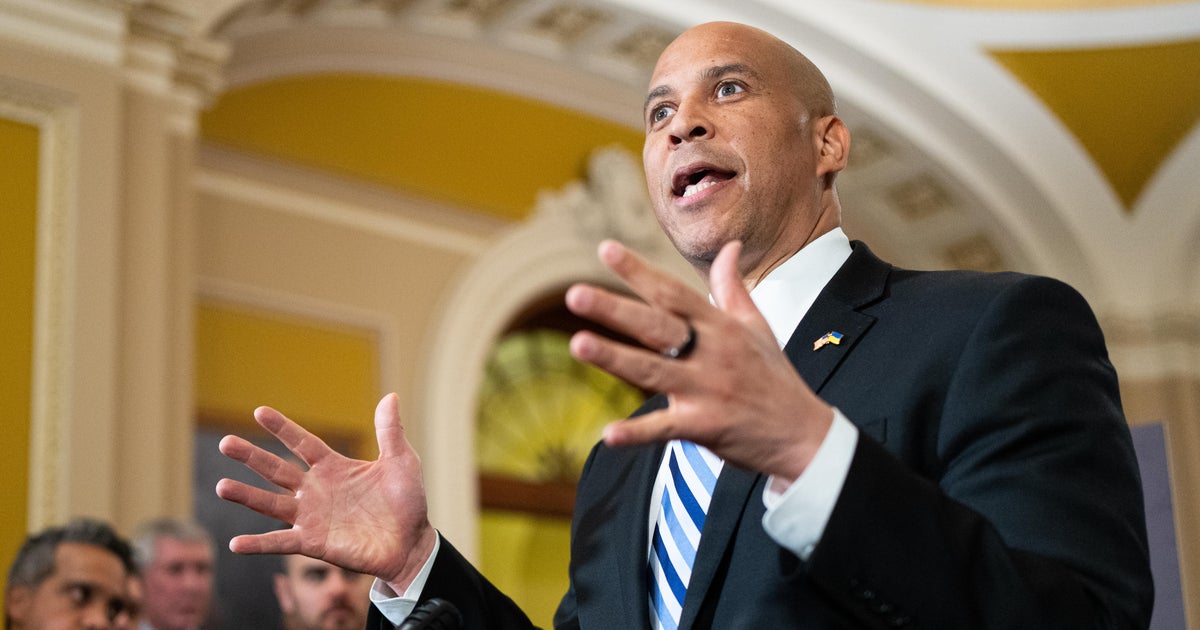
The resolution, spearheaded by Democratic Senator Cory Booker of New Jersey, would have required the president to withdraw American armed forces from any hostile actions within or against Iran unless Congress had specifically authorized such military engagement through either a formal declaration of war or a specific authorization for the use of military force. It’s important to note that Congress has not granted any such authorization for military action against Iran, which has been at the heart of Democratic concerns about presidential overreach. In an interesting twist that highlights the complexity of this issue, Senator John Fetterman of Pennsylvania broke ranks to become the only Democrat voting against advancing the resolution, while Republican Senator Rand Paul of Kentucky, known for his libertarian-leaning views on foreign policy, crossed party lines to support it.
Persistent Democratic Efforts Amid Republican Legislative Priorities
The timing of this vote was particularly noteworthy given the unusual circumstances on the Senate floor. Republicans were conducting an extended debate on elections legislation under pressure from President Trump, who had made threats to veto other bills reaching his desk unless this particular measure passed. Despite this Republican-led floor takeover, Democrats were able to force the Iran war powers vote because such resolutions carry a privileged status under Senate rules, meaning they must be considered regardless of other business being conducted. This wasn’t the first time the Senate had considered such a measure—a previous Iran war powers resolution introduced by Democratic Senator Tim Kaine of Virginia was defeated on March 4th. In fact, it represented the second rejection of efforts to limit Trump’s Iran strike capabilities in less than a year, following a similar vote after U.S. airstrikes targeted Iranian nuclear facilities the previous June.
As the military operation approaches the one-month milestone, President Trump has remained vague about how and when the conflict will conclude. While the president has expressed optimism that the war will end “soon,” he has provided no specific timeline and notably has not ruled out deploying ground troops into Iran—a prospect that alarms many lawmakers who remember the protracted conflicts in Iraq and Afghanistan. The lack of clarity about military objectives and exit strategies has intensified Democratic determination to exercise congressional oversight over what they view as an unauthorized and potentially open-ended military engagement.
Democrats Demand Public Testimony from Trump Administration Officials
Following the early March defeat of the previous war powers resolution, a coalition of Democratic senators made a strategic decision to continue pressing the issue through every available procedural avenue. Their particular focus centered on demanding public testimony from Secretary of State Marco Rubio and Defense Secretary Pete Hegseth about the justifications for the war, its objectives, and the administration’s plans moving forward. In a letter addressed to Senate Majority Leader John Thune, a Republican from South Dakota, the Democratic senators behind the war powers initiative indicated they would be willing to abandon votes on several other resolutions if these Trump administration officials agreed to testify at public hearings where they could be questioned about the Iran operation.
Senator Cory Booker made clear the Democrats’ determination, telling reporters earlier in the month: “We’re going to use every lever that we have to stop business as usual and force the Senate [to do] what it should have done already.” His colleague, Senator Chris Murphy of Connecticut, went further in his criticism, accusing the Trump administration of deliberately avoiding public hearings because officials feared losing public support once Americans understood the full implications of the conflict. “I don’t think they can defend this war,” Murphy told reporters, adding that he believed administration officials would “lose votes in the Senate if they actually have to go in front of the American public and explain why gas prices are so high, explain whether we’re engaged in regime change or whether we’re not, explain how they’re going to get the nuclear weapons and the nuclear material without the ground invasion.” These statements reflect Democratic concerns that the administration lacks a coherent strategy and is avoiding scrutiny that might reveal uncomfortable truths about the military operation’s scope and objectives.
Intelligence Officials Face Questioning About Imminent Threats
On the same day as the failed war powers vote, the Trump administration’s top intelligence officials appeared before the Senate Intelligence Committee for testimony that was originally scheduled to accompany the release of the annual worldwide threats assessment. However, the hearing quickly became dominated by questions about Iran and the justifications for military action. Director of National Intelligence Tulsi Gabbard found herself in the hot seat when senators pressed her about President Trump’s repeated claims that Iran posed an “imminent” threat to the United States—a legal standard that can justify military action without prior congressional authorization. Rather than providing her own intelligence assessment, Gabbard deferred to the president’s characterization of the threat, a response that likely frustrated senators seeking independent confirmation of the administration’s claims.
This dynamic reflects a broader tension between the executive and legislative branches over the constitutional authority to initiate military hostilities. While the president serves as commander-in-chief with broad powers to respond to immediate threats, Congress retains the constitutional power to declare war and authorize military force. The current situation represents a gray area where the administration claims to be acting defensively against imminent threats, while congressional Democrats argue that the extended nature of the operations and lack of specific threat information suggest this is actually an offensive war requiring congressional approval.
Administration Defends Legal Authority for Iran Strikes
The Trump administration and its Republican allies in Congress have consistently argued that the president acted within his constitutional and legal authority when ordering strikes against Iran. In a letter sent to Congress in early March, President Trump laid out his justification for the military action, stating that the strikes were necessary to eliminate serious threats to American interests and personnel. “Despite my Administration’s repeated efforts to achieve a diplomatic solution to Iran’s malign behavior, the threat to the United States and its allies and partners became untenable,” the president wrote in his explanation to lawmakers. Significantly, Trump acknowledged the uncertainty surrounding the operation’s scope and duration, writing that “it is not possible at this time to know the full scope and duration of military operations that may be necessary.”
This admission of uncertainty is precisely what troubles many lawmakers from both parties, though Republicans have largely remained supportive of the president’s approach. The debate fundamentally centers on competing visions of presidential power in the modern era, where military conflicts rarely involve formal declarations of war but can nonetheless result in extended engagements with significant human and financial costs. Democrats point to the experiences in Iraq and Afghanistan as cautionary tales about military operations that begin with limited objectives but expand into years-long commitments. They argue that proper congressional authorization and ongoing oversight are essential to prevent repeating these mistakes. Republicans, meanwhile, emphasize the need for presidential flexibility to respond to threats and argue that excessive congressional constraints could tie the hands of military commanders and endanger American personnel. As the Iran operation continues with no clear end in sight, this fundamental debate over war powers and congressional authority shows no signs of resolution, suggesting that additional war powers votes may be forthcoming if the military engagement extends further.