


Dolores Huerta Breaks Decades of Silence: Allegations Against Cesar Chavez Rock Farm Workers Movement
A Movement Icon Steps Forward
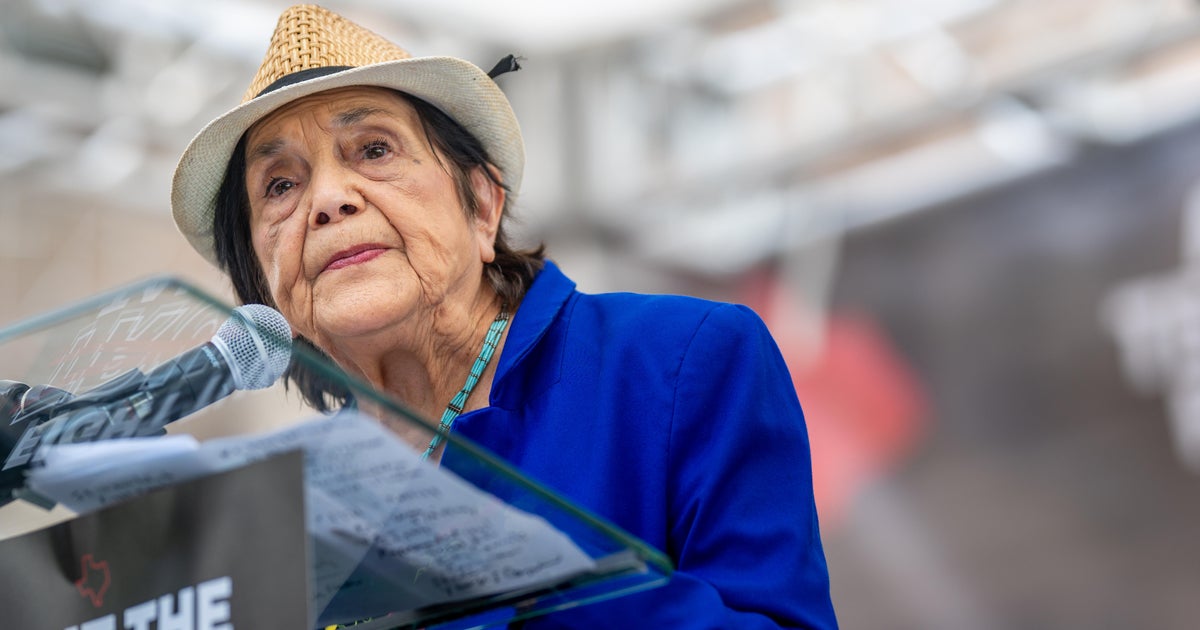
At 95 years old, labor leader Dolores Huerta has finally broken a silence she maintained for over six decades, revealing painful truths about her relationship with fellow civil rights icon Cesar Chavez. In a statement released Wednesday, Huerta disclosed that she experienced two non-consensual sexual encounters with Chavez that resulted in pregnancies—secrets she buried deep to protect the farmworker movement she devoted her life to building. This revelation came in response to a New York Times investigation that brought forward allegations of abuse against Chavez, who died in 1993. The disclosure sent shockwaves through California’s political landscape and the labor movement, forcing a reckoning with the complicated legacy of one of America’s most celebrated civil rights leaders. Huerta and Chavez co-founded the National Farm Workers Association in the 1960s, which evolved into the United Farm Workers union, an organization that continues to represent nearly 5,000 agricultural workers today.
The Weight of Silence
Huerta’s statement painted a portrait of an impossible choice faced by a young mother in her 30s during the 1960s—speaking her truth or protecting a movement that meant everything to her and the farmworkers she fought to represent. “I carried this secret for as long as I did because building the movement and securing farmworker rights was my life’s work,” she wrote with stark honesty. She explained that forming a union was the only viable path to achieving equal rights for millions of exploited farmworkers, and she refused to let anyone, including Chavez, obstruct that mission. The first encounter, she revealed, happened through manipulation and pressure. She felt powerless to refuse because Chavez held multiple positions of authority in her life—he was someone she deeply admired, her employer, and the leader of a movement to which she had already dedicated years of sacrifice. The second assault was even more explicit, with Huerta stating she was “forced, against my will, and in an environment where I felt trapped.” Drawing on previous experiences with abuse and sexual violence, she convinced herself these were burdens she had to bear alone, hidden away from the world.
Secret Pregnancies and Hidden Children
The consequences of these assaults extended far beyond the immediate trauma. Both encounters resulted in pregnancies that Huerta carried and delivered in complete secrecy. The logistical and emotional burden of hiding these pregnancies while maintaining her public role as a prominent labor leader is difficult to imagine. After giving birth, Huerta made the heartbreaking decision to arrange for the children to be raised by other families who could provide them with stable lives—a choice that speaks to both her circumstances and her commitment to the movement. For decades, no one knew the full truth about how these children were conceived. Huerta revealed that she has since developed relationships with them, but only shared the complete story of their conception a few weeks before her public statement. This detail underscores the profound isolation she experienced—even those closest to her, including the children themselves, were kept from knowing the violent circumstances of their origins until very recently.
A Survivor Steps Into the Light
In her statement, Huerta expressed that the allegations against Chavez made her physically ill, and her heart ached for everyone who suffered in isolation and silence as she had. She pulled no punches in condemning Chavez’s actions, writing that “there are no words strong enough to condemn” what she described as his “deplorable actions.” Perhaps most powerfully, she reframed her own identity and experience: “I have never identified myself as a victim, but I now understand that I am a survivor—of violence, of sexual abuse, of domineering men who saw me, and other women, as property, or things to control.” This shift in self-perception, coming after so many decades, demonstrates the long journey many survivors must travel before they can fully acknowledge and name what happened to them. Huerta declared emphatically that her silence was ending, marking a turning point not just in her personal journey but in the broader conversation about power, abuse, and accountability within social justice movements. She also made clear that the allegations against Chavez don’t represent the values of the farmworker community and movement, emphasizing that the cause has always been bigger and more important than any single individual, no matter how celebrated.
Ripple Effects Across California and Beyond
The response to Huerta’s disclosure and the original New York Times investigation has been swift and significant. The Chavez family released a statement saying they were “devastated” by the revelations, acknowledging the deep pain these disclosures brought. While carrying their own memories of the person they knew, they honored the voices of survivors and commended their courage in coming forward. California Governor Gavin Newsom and First Partner Jennifer Siebel Newsom quickly voiced their support for the survivors, with Newsom posting on social media that they “have the backs of these survivors” and declaring their commitment to justice, truth, and transparency. He specifically acknowledged Huerta and other courageous women who stepped forward after concealing decades of pain and abuse. The United Farm Workers union, the very organization that Chavez and Huerta built together, announced it would distance itself from Chavez and would not participate in Cesar Chavez Day activities. This holiday, which celebrates Chavez’s birthday, is officially recognized in California, Utah, Arizona, and Washington. The union described the allegations as “crushing,” reflecting the profound difficulty of reconciling a founder’s contributions with serious allegations of abuse. The Cesar Chavez Foundation similarly expressed being “deeply shocked and saddened” by the allegations and said it was working with the UFW to formulate an appropriate response.
Reckoning With Complex Legacies
This moment represents a painful but necessary reckoning with the reality that movements for justice can be led by deeply flawed individuals, and that historical heroism doesn’t erase personal harm. Huerta’s courage in finally speaking her truth forces a more complete accounting of history—one that doesn’t erase Chavez’s contributions to labor rights and farmworker justice, but also refuses to ignore the abuse of power that occurred behind the scenes. Her decision to come forward now, at 95, demonstrates that there is no statute of limitations on truth-telling, and that survivors deserve to be heard regardless of how much time has passed or how celebrated their abuser might be. The Dolores Huerta Foundation has made resources for sexual assault survivors available on its website, turning this moment of personal disclosure into an opportunity to support others who may be struggling with similar experiences. As California and the broader labor movement process these revelations, important questions emerge about how to honor the genuine achievements of flawed leaders while centering the experiences of those they harmed. Huerta herself offers a path forward—acknowledging that movements are bigger than individuals, that truth and transparency must be prioritized, and that survivors’ voices matter more than protecting comfortable narratives about the past. Her statement closes a chapter of enforced silence while opening new conversations about accountability, survivor support, and the ongoing work of building movements that truly reflect the values of justice and equality they claim to represent.