


Federal Reserve Holds Interest Rates Steady Amid Growing Economic Uncertainty
The Fed’s Decision to Pause Rate Changes
The Federal Reserve made headlines this Wednesday by choosing to keep interest rates exactly where they are, marking the second time in a row in 2026 that the central bank has decided not to make any adjustments. The benchmark interest rate – officially called the federal funds rate, which is essentially what banks charge each other when they need to borrow money for short periods – will remain in the 3.5% to 3.75% range. This wasn’t exactly a surprise to those watching the markets closely; investors had largely anticipated this move. What’s driving this cautious approach? The Fed pointed to significant uncertainty clouding the U.S. economic picture, particularly mentioning the ongoing conflict with Iran and its ripple effects that are still playing out in ways that are difficult to predict. It’s a bit like trying to navigate through fog – the Fed knows there are obstacles ahead, but they’re not entirely sure what they are or when they’ll encounter them, so they’re proceeding with extreme caution rather than making sudden moves that could destabilize an already uncertain situation.
Are Interest Rate Cuts Still in the Cards?
Despite the decision to hold rates steady for now, Federal Reserve officials haven’t completely taken rate cuts off the table. In fact, they’re still projecting that they’ll reduce rates at least once before 2026 comes to a close, which is the same outlook they shared back in December. By maintaining this forecast, the Fed is essentially signaling that they believe the surge in energy prices triggered by the Iran conflict will be temporary rather than a permanent feature of the economic landscape. Before the war began on February 28, many economists had circled the Fed’s June meeting on their calendars as the likely time for the next rate cut. However, those expectations have now dimmed considerably, with market watchers at CME FedWatch – a tool that tracks what traders are thinking – suggesting the chances of a June cut are now quite slim. Financial experts are interpreting the Fed’s stance in various ways. Jamie Cox from Harris Financial Group explained it plainly: the Fed is essentially “looking through the fog of conflict” and won’t rock the boat during what’s essentially a supply shock. Matt Stucky from Northwestern Mutual struck a more optimistic note, suggesting that the Fed’s willingness to tolerate what they view as “transitory” energy inflation is actually a positive sign, indicating they’re still prepared to resume cuts later in the year once the dust settles.
Inflation Projections Heat Up
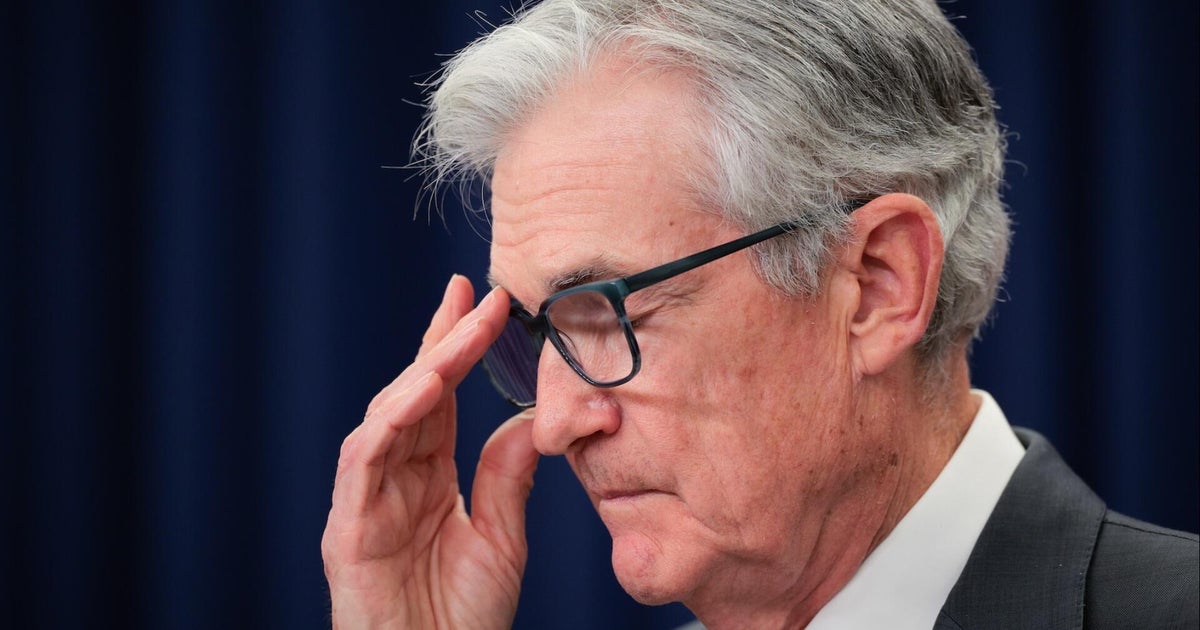
Along with the interest rate decision, the Federal Reserve released updated economic forecasts that paint a slightly warmer inflation picture than they did just a few months ago. The central bank now expects inflation to reach 2.7% by the end of 2026, which is a noticeable uptick from their December projection of 2.4%. They’re also anticipating that core inflation – the measure that strips out the more volatile food and energy prices to give a clearer picture of underlying trends – will also land at 2.7% by year’s end, up from the previously forecast 2.5%. These might seem like small numbers, but in the world of central banking, these differences matter significantly. During his press conference following the announcement, Fed Chair Jerome Powell was remarkably candid about the uncertainty surrounding the Iran conflict’s economic impact. When it comes to how higher gas prices will affect consumer behavior and spending patterns, Powell didn’t mince words: “The thing I want to emphasize is nobody knows.” He acknowledged that if Americans face substantially higher gas prices for an extended period, they’ll likely cut back on spending in other areas of their lives, but stressed that it’s impossible to predict whether that scenario will actually materialize. What Powell was more certain about, however, is that energy prices will push inflation higher in the short term, even if the exact magnitude and duration remain unclear.
Market Reactions and Inflation Concerns
Powell’s cautious tone didn’t sit well with Wall Street. As Mark Vickery from Zacks Investment Research pointed out, the Fed Chair’s message was quite “sobering,” particularly his statement that “if we don’t see progress on inflation, we won’t see a rate cut.” Investors responded by pulling back, with the S&P 500 dropping 91 points (a 1.4% decline) to close at 6,625, while both the Dow Jones Industrial Average and the Nasdaq Composite fell by 1.6% and 1.5% respectively. The concerns aren’t just about what might happen due to the war – there are signs that inflation was already proving stubborn even before the conflict sent energy prices soaring. The same day as the Fed’s announcement, the Labor Department released its producer price index report, which tracks inflation at the wholesale level before it reaches everyday consumers. That report showed prices rising 3.4% year-over-year in February, the biggest jump in a year and higher than economists had expected. Oren Klachkin, an economist at Nationwide Financial Markets, didn’t sugarcoat his assessment: “This isn’t the kind of PPI report the Fed wants to see,” adding that it suggests inflation was already accelerating before the Iranian conflict even began. Meanwhile, the job market is sending its own worrying signals, with the U.S. unexpectedly losing 92,000 jobs in February when economists had actually predicted a gain of 60,000 positions.
Powell’s Leadership and Political Pressures
The political backdrop to this economic uncertainty is equally complex, with Fed Chair Jerome Powell finding himself in an unusual and somewhat uncomfortable position. During his press conference, Powell acknowledged that despite various headwinds, the U.S. economy has shown remarkable resilience and is “doing pretty well” overall, even with all the uncertainty surrounding inflation, the Iran situation, and employment trends. However, he also made a significant personal announcement: he intends to remain on the Federal Reserve’s board of governors until a Department of Justice investigation is fully concluded. Powell’s term as Fed chair technically ends in May, though he could continue serving as a member of the Federal Open Market Committee through January 2028. “I have no intention of leaving the board until the investigation is well and fully over,” Powell stated firmly. This investigation stems from a rather unusual situation where U.S. Attorney Jeanine Pirro’s office issued grand jury subpoenas to the Fed related to building renovations, but a judge recently blocked those subpoenas, determining they were actually a pretext to pressure Powell into either cutting interest rates or resigning. Pirro has said she plans to appeal that decision, so the matter is far from settled.
Presidential Pressure and Leadership Transition
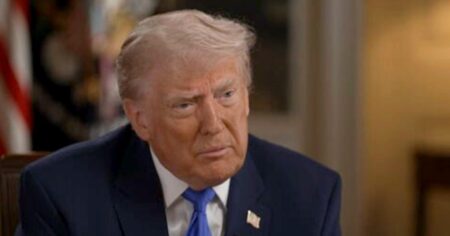
Adding another layer of complexity to the situation is President Trump’s very public campaign for lower interest rates, which he continued on Wednesday with a social media post asking, “When is ‘Too Late’ Powell lowering INTEREST RATES?” This isn’t the first time – or even the hundredth – that Trump has called for rate cuts, creating an awkward dynamic where the Fed is trying to maintain its independence while facing pressure from the White House. In January, President Trump nominated Kevin Warsh, a former Fed official, to replace Powell as chair. However, Warsh still needs Senate confirmation before he can step into the role, and that process has hit a significant roadblock. Senator Thom Tillis, a Republican from North Carolina who serves on the Senate Banking Committee, has stated he will oppose any Fed nominees as long as the DOJ investigation continues. This creates a potentially messy transition scenario. If Warsh isn’t confirmed by the time Powell’s term as chair expires in May, Powell explained that he would serve as interim chair until his successor can officially take over. “That is what the law calls for,” he noted, emphasizing that he’s following the proper procedures regardless of the political pressures swirling around him. This entire situation underscores the delicate balance the Federal Reserve must maintain between its economic mandate and the political realities of Washington, all while navigating genuine economic uncertainties that would be challenging in any circumstances.