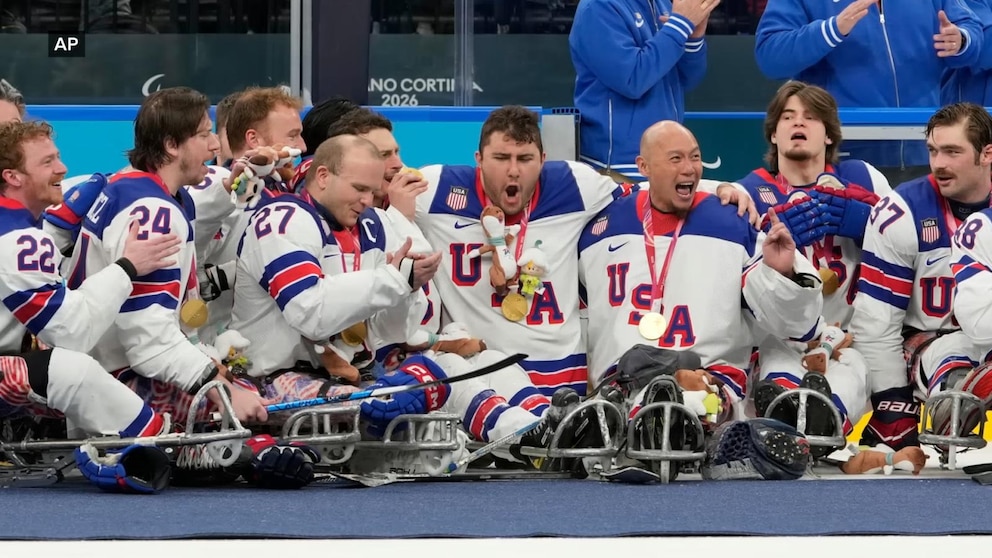

Wallace on Team USA’s Sled Hockey Paralympic Gold Win
A Golden Moment for American Paralympic Athletes
The roar of the crowd, the scrape of blades against ice, and the unmistakable sound of victory—these were the defining moments when Team USA’s sled hockey team captured Paralympic gold in what can only be described as a masterclass performance. Among those celebrating this incredible achievement was Wallace, whose insights into the team’s journey, preparation, and ultimate triumph provide a window into the dedication and resilience required to reach the pinnacle of Paralympic sport. The gold medal victory represents not just athletic excellence but also the culmination of years of sacrifice, teamwork, and an unwavering belief in the possible. For the athletes who glided across that ice with determination etched on their faces, this wasn’t simply about winning a medal—it was about proving that disability doesn’t define limitation, that adaptive sports deserve recognition at the highest levels, and that the American spirit of competition burns just as brightly in Paralympic competition as it does in any other arena. Wallace’s perspective on this historic win illuminates the human stories behind the headlines, the personal battles fought and won long before the team ever stepped onto Olympic ice, and the collective dream that united a group of extraordinary athletes into an unstoppable force.
The Road to Gold: Preparation and Perseverance
According to Wallace’s account, the journey to Paralympic gold was anything but straightforward. The team’s preparation involved countless hours of practice, rigorous physical conditioning, and mental fortitude training that pushed each athlete to their absolute limits. Sled hockey, a sport that requires participants to propel themselves across the ice using specially designed sleds and shortened hockey sticks with picks on the end, demands extraordinary upper body strength, cardiovascular endurance, and split-second decision-making abilities. The athletes trained not just their bodies but their minds, learning to function as a cohesive unit where every pass, every defensive maneuver, and every strategic play had to be executed with precision. Wallace emphasized that the coaching staff played an instrumental role in preparing the team, developing game strategies that capitalized on each player’s unique strengths while addressing areas that needed improvement. The preparation extended beyond physical training to include team-building exercises that fostered the trust and communication essential for success in such a fast-paced, physically demanding sport. Many of these athletes had to overcome not only the challenges of their disabilities but also the everyday obstacles that come with balancing training schedules with work, family, and personal responsibilities. Their commitment to excellence meant early morning practices, late-night strategy sessions, and a willingness to sacrifice comfort for the chance to represent their country on the world’s biggest stage. Wallace noted that this level of dedication created a bond among team members that transcended the sport itself, forging friendships and mutual respect that would last far beyond any single tournament.
Game Day Excellence and Strategic Brilliance
When the moment finally arrived for Team USA to compete for gold, Wallace recalls that the atmosphere was electric with anticipation and nervous energy. The team had worked through preliminary rounds with a combination of skill and determination, but the gold medal game represented the ultimate test of everything they had prepared for. Wallace’s description of the game itself paints a picture of strategic brilliance combined with raw athletic prowess. From the opening face-off, Team USA demonstrated why they deserved to be considered among the elite sled hockey teams in the world. Their offensive plays were creative and unpredictable, keeping their opponents constantly on their heels and unable to establish any consistent defensive rhythm. The passing was crisp and precise, with players demonstrating an almost telepathic understanding of where their teammates would be at any given moment. Defensively, the team was equally impressive, forming an impenetrable wall in front of their goalkeeper and eliminating scoring opportunities before they could develop into genuine threats. Wallace particularly highlighted several key moments in the game where individual brilliance made the difference—a spectacular save that preserved a slim lead, a perfectly timed offensive rush that resulted in a crucial goal, and defensive plays that demonstrated both courage and tactical intelligence. The coaching staff made adjustments throughout the game, responding to their opponents’ strategies with counter-moves that showcased their deep understanding of the sport. As the final seconds ticked away and victory became certain, Wallace describes an eruption of emotion from the players, coaches, and supporters—tears of joy, embraces of celebration, and the overwhelming realization that years of hard work had culminated in this perfect moment of triumph.
The Human Stories Behind the Victory
What makes Wallace’s perspective on the gold medal win particularly compelling is his focus on the individual stories of the athletes who made it possible. These are not just skilled hockey players; they are individuals who have faced and overcome challenges that most people can barely imagine. Wallace shares glimpses into the personal journeys of team members—veterans who sustained injuries in combat and found new purpose through adaptive sports, individuals who were born with conditions that limited their mobility but never their dreams, and people who experienced life-changing accidents but refused to let those moments define their futures. One player, Wallace recounts, had spent years in rehabilitation learning to adapt to his new physical reality before ever touching a hockey stick. Another had been told by medical professionals that high-level athletic competition would be impossible, a prediction that made the gold medal moment even sweeter. These athletes didn’t just overcome their disabilities; they transformed them into sources of strength and motivation. Wallace emphasizes that the team’s diversity—in terms of their backgrounds, the nature of their disabilities, and their paths to sled hockey—actually became one of their greatest assets, creating a team culture that valued different perspectives and approaches to problem-solving. The families and support networks behind these athletes also deserve recognition, Wallace notes, as the commitment required to compete at this level affects not just the athletes themselves but everyone in their lives. Partners who supported training schedules, children who understood why mom or dad had to miss certain events, and friends who provided encouragement during moments of doubt all played crucial roles in making this victory possible.
Impact Beyond the Ice: Representation and Inspiration
Wallace is quick to point out that the significance of Team USA’s gold medal extends far beyond the sport itself, serving as a powerful statement about the capabilities of athletes with disabilities and the importance of Paralympic sports in the broader athletic landscape. For countless individuals around the world who live with disabilities, seeing athletes compete at this level provides inspiration and a tangible example of what’s possible with determination and opportunity. The visibility of Paralympic sports has grown tremendously in recent years, but Wallace argues there’s still much work to be done in terms of media coverage, funding, and public awareness. This gold medal win provides a platform to advance those conversations and advocate for greater investment in adaptive sports programs at all levels. Young people with disabilities who might never have considered athletic competition as a possibility for themselves can now see role models who look like them, who face similar challenges, and who have achieved remarkable success. Wallace also discusses the broader social implications of Paralympic sports, noting how they challenge societal assumptions about disability and capability. When people watch sled hockey at the highest level, they witness athleticism, strategy, and competition that rivals any able-bodied sport, forcing a reconsideration of preconceived notions about what athletes with disabilities can achieve. The gold medal win also highlights the importance of accessible sports facilities, quality coaching for adaptive sports, and pathways for talented athletes with disabilities to develop their skills and compete at elite levels. Wallace suggests that Team USA’s success should serve as a catalyst for increased investment in these areas, ensuring that the next generation of Paralympic athletes has even greater opportunities to pursue their dreams.
Looking Forward: Legacy and Continued Excellence
As Wallace reflects on the gold medal victory, he also considers what this achievement means for the future of Team USA sled hockey and Paralympic sports more broadly. The triumph establishes a standard of excellence that future teams will aspire to match or exceed, creating a legacy of success that can inspire and guide program development for years to come. Wallace notes that several team members have already expressed their intention to continue competing, their appetite for success only intensified by the taste of gold. The coaching staff, too, is already looking ahead to the next Paralympic cycle, identifying areas for continued improvement and considering how to integrate new talent into a winning program structure. Beyond Team USA specifically, Wallace believes this gold medal will have ripple effects throughout the international sled hockey community, raising the competitive level as other nations invest more resources in their programs and push themselves to match the Americans’ intensity and skill. This virtuous cycle of increasing competition benefits the sport as a whole, making it more exciting for spectators and more rewarding for participants. Wallace also emphasizes the importance of grassroots development, suggesting that the gold medal should inspire greater investment in youth adaptive sports programs where future Paralympic champions will first discover their passion for competition. The athletes from this gold medal team have an opportunity to become ambassadors for the sport, conducting clinics, speaking at schools and community events, and generally raising awareness about sled hockey and Paralympic sports. Their visibility and success give them a platform that can be leveraged to create meaningful change in how society views and supports athletes with disabilities. Wallace concludes his reflections on the gold medal win by returning to where he started—the pure joy and satisfaction visible on the faces of the athletes as they celebrated their achievement. That moment, he suggests, represents everything that’s right about sports: the reward for dedication, the validation of sacrifice, and the sheer human triumph of setting an ambitious goal and achieving it through teamwork and perseverance. For these athletes, their families, their coaches, and their supporters, the gold medal is a tangible symbol of something they always knew but can now prove to the world—that with opportunity, support, and determination, there are no limits to what can be accomplished.