


Hangin’ with Herm: ESPN’s Herm Edwards Weighs In on the Latest NFL Drama
A Veteran Coach’s Perspective on Today’s Game
In a recent conversation with ABC News anchor Linsey Davis, former NFL head coach and current ESPN analyst Herm Edwards offered his signature blend of wisdom, passion, and straight talk on some of the most pressing issues facing professional football today. Known for his memorable coaching career with the New York Jets and Kansas City Chiefs, as well as his unforgettable motivational speeches—who could forget “You play to win the game!”—Edwards continues to be one of the most respected voices in football commentary. His insights carry weight not just because of his decades in the sport, but because of his unique ability to connect the human element of football with its technical and strategic aspects. During this candid discussion, Edwards tackled three major storylines dominating NFL headlines: player conduct and fan interactions, identifying which teams pose the greatest threat as the playoffs approach, and the significant news about the Kansas City Chiefs’ potential relocation. Each topic revealed not just Edwards’ football acumen, but his deep understanding of how the game intersects with broader cultural and business realities.
Player Conduct and Fan Safety: The DK Metcalf Suspension
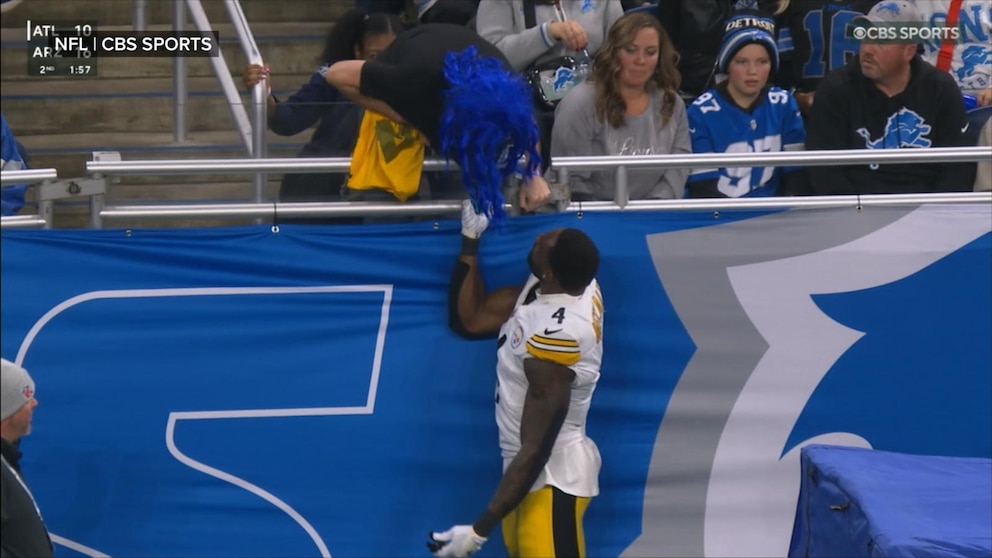
One of the most controversial topics Edwards addressed was the suspension of a Steelers player for an incident involving a fan. While there appears to be some confusion in the original report—DK Metcalf actually plays for the Seattle Seahawks, not the Pittsburgh Steelers—the core issue remains critically important regardless of which player or team is involved. Edwards has always been vocal about maintaining professionalism and respecting the boundaries between players and fans, even in highly charged emotional situations. The incident in question involved a player swiping at or making physical contact with a fan, an action that crosses a fundamental line in professional sports. Edwards likely emphasized that while the passion and intensity of NFL competition can reach fever pitch, players must maintain their composure and professionalism at all times, especially when it comes to interactions with spectators.
Throughout his coaching career, Edwards was known for holding his players to high standards both on and off the field. He understood that NFL players are not just athletes but public figures who represent their teams, the league, and the sport itself. When a player engages in any form of physical confrontation with a fan, it creates liability issues for the organization, sets a dangerous precedent, and can potentially incite further violence. Edwards has consistently preached accountability, and he would likely have supported the league’s decision to suspend the player involved, viewing it as a necessary measure to protect the integrity of the game and the safety of everyone in the stadium. At the same time, Edwards has always shown empathy for players, recognizing the immense pressure they face and the provocations they sometimes endure from fans who cross lines themselves. He would probably acknowledge that while fans sometimes say and do inappropriate things, players must be the ones to take the high road, as they’re the professionals in the situation. The suspension serves as both punishment and teaching moment—a reminder that no matter how intense the competition or how heated the moment, there are boundaries that cannot be crossed without serious consequences.
NFC Contenders: Which Team Poses the Greatest Threat?
When the conversation shifted to the competitive landscape of the NFC and which team might be the most dangerous heading into the playoffs, Edwards surely brought his keen eye for detail and years of coaching experience to the analysis. Identifying the most dangerous team isn’t simply about looking at win-loss records or statistics; it requires understanding the intangibles—momentum, coaching, quarterback play, injury situations, and that elusive quality of a team that believes it can win any game. Edwards has always emphasized that playoff football is different from the regular season. Teams that can run the football effectively, stop the run on defense, protect their quarterback, and pressure the opposing quarterback typically have the formula for postseason success. He would likely have examined several NFC contenders, discussing their strengths and weaknesses with the detail-oriented approach that made him successful as a coach.
Edwards might have pointed to teams like the San Francisco 49ers, Philadelphia Eagles, Detroit Lions, or another emerging contender, analyzing what makes them particularly dangerous. Perhaps it’s a team with a dominant defense that can take the ball away and create short fields for their offense. Maybe it’s a squad with an elite offensive line that can control the tempo and keep their defense fresh. Or it could be a team with a hot quarterback playing his best football at exactly the right time. Edwards has always believed that the most dangerous teams are those that have overcome adversity during the season—they’ve faced injuries, losing streaks, or internal challenges and found ways to grow stronger through those experiences. These battle-tested teams often have the mental toughness required for the playoff grind. He would also likely discuss the importance of coaching in the postseason, noting that experienced coaches who have been through playoff battles before know how to prepare their teams for the unique challenges of win-or-go-home football. The most dangerous NFC team, in Edwards’ view, would probably be one that combines physical dominance with mental toughness, explosive playmaking ability with disciplined execution, and individual talent with genuine team chemistry.
The Kansas City Chiefs’ Potential Move to Kansas
Perhaps the most significant long-term story Edwards discussed was the Kansas City Chiefs’ potential relocation from Missouri to Kansas. This isn’t just a sports story; it’s a political, economic, and cultural narrative that affects millions of people and could reshape the landscape of professional sports stadium financing. The Chiefs have been an institution in Kansas City, Missouri, since 1963, when they moved from Dallas where they were originally known as the Texans. Now, complicated negotiations over stadium funding have opened the door for Kansas officials to court the team with potentially more favorable financial arrangements. Edwards, having coached the Chiefs from 2006 to 2008, has deep personal connections to the organization and the Kansas City community. He understands what the team means to the region and how emotionally invested fans are in their Chiefs, especially following recent Super Bowl victories that have made the franchise one of the NFL’s marquee brands.
The situation highlights the ongoing tension in professional sports between teams seeking modern facilities and public willingness to fund those projects through taxpayer dollars. Edwards would likely approach this topic with his characteristic balance, understanding both the business realities that teams face and the valid concerns of taxpayers who question whether public money should finance stadiums for billionaire owners and millionaire players. He might discuss how modern NFL stadiums have become more than just places to watch football—they’re year-round entertainment destinations that can anchor economic development in surrounding areas. However, he would probably also acknowledge the legitimate debate about whether these projects deliver the promised economic benefits and whether they represent the best use of public resources. For Edwards, who has always emphasized loyalty and relationships, the potential move would likely be seen as unfortunate but perhaps inevitable given the economics of modern professional sports. He might reflect on his own time with the organization, the passionate fan base that supports the team through bitter winter games at Arrowhead Stadium, and what would be lost if the Chiefs were to cross state lines—even if only by a few miles. The irony that the team would still be called the Kansas City Chiefs while playing in Kansas wouldn’t be lost on anyone, but it represents the complex geographic reality of a metropolitan area that straddles state boundaries.
The Broader Implications for Professional Sports
Edwards’ commentary on these three distinct issues reveals larger themes about the current state of professional football and sports in general. The player suspension issue speaks to ongoing concerns about athlete conduct, the relationship between players and fans, and how leagues balance competitive passion with maintaining safe, family-friendly environments. As sports become more accessible through social media and as interactions between athletes and fans increasingly happen in digital spaces as well as physical ones, the boundaries and expectations continue to evolve. Edwards represents a generation of coaches who demanded discipline and respect, values that sometimes seem at odds with the modern emphasis on players expressing their personalities and emotions. Finding the right balance—allowing players to be authentic while maintaining necessary standards of conduct—remains an ongoing challenge for the NFL.
The discussion of NFC contenders reflects how the league’s competitive balance has shifted over time, with sustained excellence becoming harder to achieve in an era of salary caps and free agency. Edwards has witnessed the evolution of NFL strategy, from the ground-and-pound approach of his playing days to the pass-heavy aerial attacks that dominate today’s game. His analysis would incorporate this historical perspective while recognizing how the game continues to change. Meanwhile, the Chiefs’ stadium situation exemplifies the broader economic forces reshaping professional sports. Franchise values have skyrocketed, broadcast rights deals have reached astronomical figures, and player salaries have increased accordingly, all while teams continue to seek public financing for facilities that primarily benefit private ownership. Edwards, having worked on both the team side and now in media, can see these issues from multiple angles, bringing nuance to discussions that often get reduced to simplistic narratives about greedy owners or ungrateful teams.
Herm’s Enduring Influence and Final Thoughts
What makes Herm Edwards such a compelling analyst is his ability to connect football’s on-field action with its human elements. Throughout his career, he’s been known for his motivational ability and his genuine care for players as people, not just as athletes. When he discusses a player suspension, he considers not just the rule violation but the personal circumstances and learning opportunity. When he evaluates teams, he looks beyond statistics to assess character and resilience. And when he contemplates franchise relocation, he thinks about communities and traditions, not just revenue projections. This holistic approach, combined with his encyclopedic knowledge of the game and his gift for communication, has made him one of ESPN’s most valuable voices. His conversations with journalists like Linsey Davis offer fans more than just sports analysis—they provide wisdom about competition, accountability, leadership, and the values that should guide us in sports and in life. As the NFL continues to navigate complex challenges involving player conduct, competitive parity, and business models, having voices like Edwards who can speak with authority, empathy, and authenticity becomes increasingly important for helping fans understand and engage with the game they love.