

The TSA Crisis: When Airport Security Becomes a Casualty of Government Shutdowns
A Growing Emergency in America’s Airports
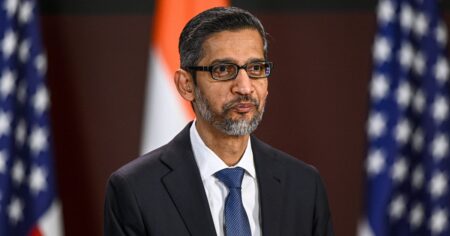
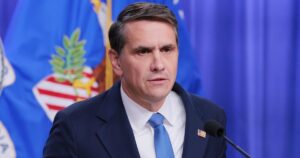
The United States is facing a serious aviation security crisis that threatens the very foundation of air travel across the nation. Adam Stahl, serving as the acting deputy administrator of the Transportation Security Administration (TSA), has raised urgent alarms about a situation that’s spiraling out of control. The agency is grappling with an unprecedented wave of sick calls among TSA officers, creating security checkpoint bottlenecks and marathon wait times at airports from coast to coast. What makes this situation particularly dire is Stahl’s stark warning to CBS News: if the current trend continues, the agency may be forced to take the drastic step of shutting down airports entirely. This isn’t hyperbole or fear-mongering – according to Stahl, “This is a serious situation,” and one that demands immediate attention from lawmakers and the public alike. The root cause of this crisis traces back to the prolonged partial government shutdown that left the TSA and its parent organization, the Department of Homeland Security, operating without proper funding, creating a domino effect that’s now threatening the entire aviation system.
The Human Cost Behind the Crisis
Beyond the statistics and the bureaucratic language lies a deeply troubling human story that reveals the real price of political gridlock. The TSA employs approximately 50,000 officers nationwide, and these dedicated public servants found themselves in an impossible situation during the shutdown. While they were required to continue reporting to work – because airport security is considered an essential service – they were doing so without receiving their paychecks. This wasn’t a temporary inconvenience; it became a prolonged financial nightmare for thousands of families. Stahl’s testimony paints a heartbreaking picture of the hardship these officers faced: “Our people are hurting. We have individuals sleeping in their cars, drawing blood to afford to pay for gas to get to work.” Let that sink in for a moment – federal employees responsible for protecting millions of travelers were literally selling their blood plasma to afford the gas needed to get to jobs that weren’t paying them. Some officers faced impossible choices between feeding their families and reporting to work. Hundreds ultimately decided they couldn’t continue under these conditions and quit their positions entirely, creating staffing shortages that would take months to fill even under the best circumstances. Those who remained were performing their duties under extraordinary financial and emotional stress, all while maintaining the vigilant attention to detail that airport security demands.
The Tipping Point: When Paychecks Stop Coming
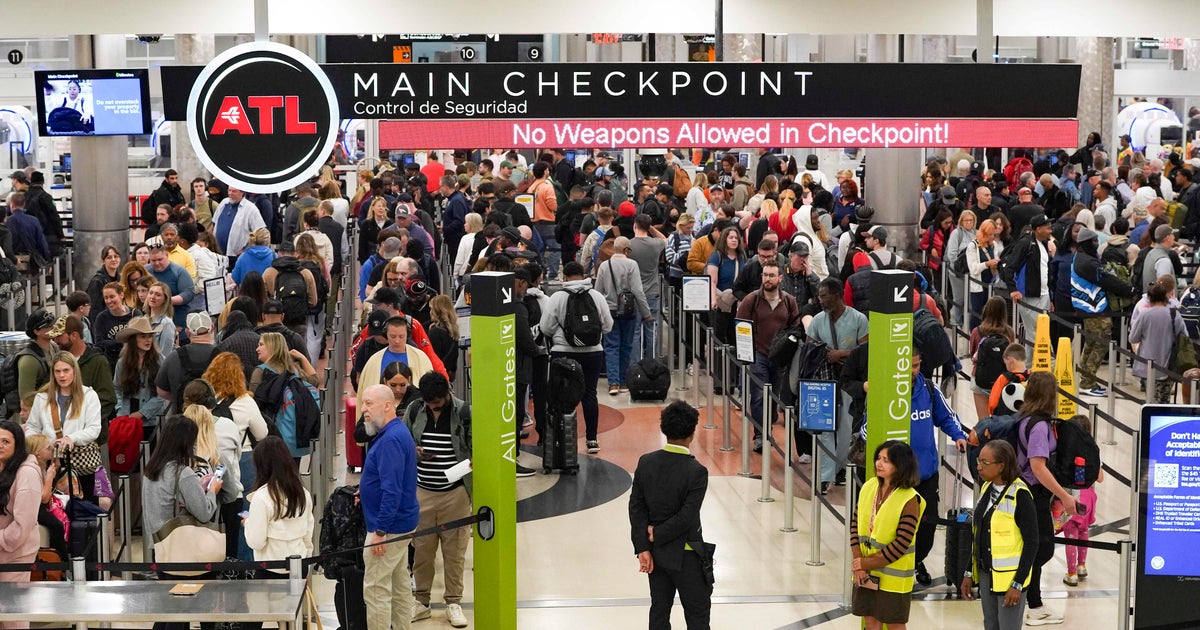
The situation reached a critical breaking point when TSA officers missed their scheduled paycheck on Friday, marking a full month of the partial government shutdown. What had been a manageable but stressful situation suddenly became untenable for many officers. The data tells a compelling story: on a typical day, TSA sick call rates hover around 2-3% nationwide – a normal rate for any large workforce. However, following the missed paycheck, those numbers skyrocketed dramatically. By Monday, more than 10% of TSA officers nationwide called out sick, representing a five-fold increase from normal levels. Whether these absences represented genuine illness, mental health days necessitated by overwhelming stress, or a form of protest against working without pay, the practical effect was the same: airports simply didn’t have enough trained security personnel to maintain normal operations. Some airports were hit particularly hard by this wave of absences. In Atlanta, home to Hartsfield-Jackson Atlanta International Airport – the busiest airport in the entire world by passenger volume – a staggering 37% of TSA officers called out sick on Monday. This wasn’t a small regional facility; this was an airport that processes over 100 million passengers annually, and more than a third of its security workforce suddenly became unavailable.
The Ripple Effect: Chaos at Security Checkpoints
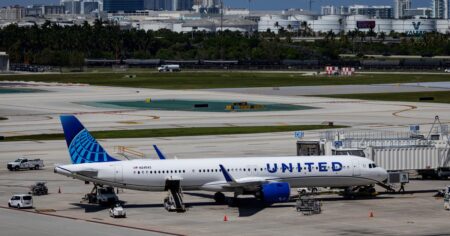
The consequences of these staffing shortages became immediately apparent to anyone attempting to travel. Atlanta’s situation was particularly stark, with one entire security checkpoint forced to close due to insufficient personnel. By Tuesday, travelers at Atlanta’s airport faced wait times exceeding two hours just to get through security screening – and this during what would normally be considered a relatively quiet travel period. George Bush Intercontinental Airport in Houston similarly saw wait times balloon to at least 103 minutes, turning what should be a routine part of air travel into an endurance test. The operational mathematics of this situation are straightforward but devastating: fewer officers means fewer open screening lanes. Fewer screening lanes means slower processing of passengers. If staffing drops continue, airports must begin closing entire checkpoints, not just individual lanes, creating bottlenecks that become exponentially worse. Philadelphia International Airport announced it would close three of its six checkpoints on Wednesday, effectively cutting its security screening capacity in half. For travelers, this meant arriving at airports three or even four hours before domestic flights – far beyond the usual recommendations – with no guarantee that would be sufficient time. For airlines, it meant potential delays and disruptions even when their own operations were running smoothly. The entire carefully choreographed system that moves hundreds of millions of people through American airports each year was beginning to break down.
Small Airports Face the Greatest Risk
While major hub airports like Atlanta, Houston, and Philadelphia were experiencing significant disruptions, Acting Deputy Administrator Stahl indicated that smaller airports faced an even more precarious situation. The scenario of complete airport shutdowns, while not imminent at large facilities as of early Wednesday, remained distinctly plausible at smaller airports with more limited TSA staffing. These regional airports typically operate with far fewer officers to begin with, meaning that even a handful of sick calls can represent a substantial percentage of their total security workforce. Unlike major hubs that might have fifty or more officers on duty at any given time, a small regional airport might have only five to ten TSA officers working a shift. If three or four call out sick, the airport simply may not have enough personnel to maintain even minimal security operations. The potential closure of even one regional airport creates cascading problems throughout the aviation network. Passengers who can’t depart from or arrive at these smaller facilities must be rerouted through larger hubs, adding to the congestion there. Business travelers and tourists find themselves stranded or forced to drive hours to alternative airports. The economic impact on communities served by these smaller airports can be substantial, affecting not just travelers but also airport employees, rental car companies, hotels, and the broader local economy that depends on air connectivity.
The Path Forward and Broader Implications
This crisis illuminates a fundamental flaw in how the United States handles government shutdowns: treating essential employees as expendable during political disputes. TSA officers, along with air traffic controllers, border patrol agents, and other security personnel, found themselves used as pawns in a budgetary standoff, expected to work indefinitely without compensation while lawmakers negotiated. The long-term implications of this situation extend far beyond the immediate travel disruptions. Hundreds of trained TSA officers left the agency entirely during this period, taking with them years of experience and expertise that cannot be quickly replaced. Even after funding was restored, the TSA faced the challenge of rebuilding its workforce, training new officers, and restoring morale among those who remained. The traveling public, meanwhile, gained a stark reminder of how quickly our aviation security system can be compromised when treated as a political football rather than a critical national infrastructure. For future government shutdowns, this crisis serves as a cautionary tale about the real-world consequences of failing to fund essential services. Airport security isn’t an abstract concept or a line item on a budget spreadsheet – it’s a vital system staffed by real people with rent to pay, families to feed, and bills that don’t pause for political gridlock. The TSA crisis of this shutdown revealed that there are practical limits to how long any workforce will continue laboring without compensation, and that testing those limits carries serious risks to public safety and the broader economy. The question remains whether policymakers learned this lesson or whether future budget standoffs will once again leave essential employees – and the millions of Americans who depend on their services – caught in the crossfire.