


Senate Confirmation of Mullin as DHS Secretary: A Bipartisan Path Forward
Strong Support Paving the Way for Quick Confirmation
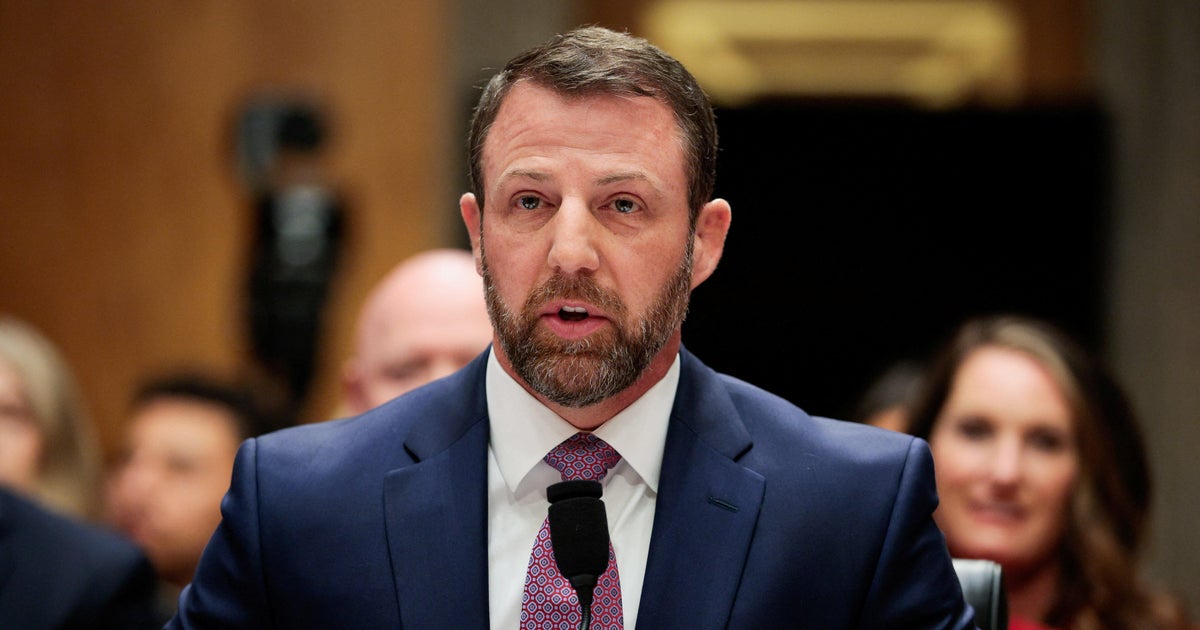
Senator Mullin appears to be sailing smoothly toward confirmation as the next Secretary of Homeland Security, benefiting from the relationships he’s carefully built during his time in the Senate. After his appearance at Wednesday’s hearing before the Homeland Security Committee, officials indicated that a committee vote could happen as early as Thursday. This rapid timeline reflects the general sense of relief among many senators following the departure of Kristi Noem from the position. Unlike many contentious cabinet nominations that drag on for weeks or months, Mullin’s path seems remarkably clear, with strong backing from Republicans and potential support from across the aisle. The momentum behind his nomination suggests that lawmakers are eager to move forward and establish stable leadership at the Department of Homeland Security, particularly given the recent turbulence in the department’s leadership.
The Mathematics of Confirmation: Numbers in Mullin’s Favor
The confirmation process requires only a simple majority vote in the full Senate, and with Republicans holding 53 seats in the chamber, Mullin’s confirmation is essentially assured from a purely numerical standpoint. However, what makes this confirmation particularly noteworthy is the potential for bipartisan support. Senate Majority Leader John Thune expressed optimism last week when speaking with reporters, indicating his hope that Mullin would attract votes from Democratic senators as well. This expectation isn’t merely wishful thinking but is grounded in Mullin’s track record of working across party lines during his tenure in the Senate. The simple majority requirement means Mullin doesn’t need Democratic support to secure the position, but such backing would provide additional legitimacy and suggest a fresh start for the troubled department. In today’s highly polarized political environment, any cabinet nominee who can garner bipartisan support represents something of an anomaly worth noting.
Building Bridges: Mullin’s Cross-Aisle Relationships
One of Mullin’s greatest assets in this confirmation process is his reputation for maintaining strong working relationships with senators from both parties. Senator Thune specifically highlighted this quality, noting that Mullin has “good, strong relationships on the other side of the aisle.” This isn’t just political rhetoric; colleagues from both parties have acknowledged Mullin’s willingness to engage in substantive conversations and find common ground on difficult issues. Thune made a particularly pointed observation about the situation, noting the irony that Democrats had been vocal in demanding new leadership at DHS, and now that change is happening, they would look inconsistent if they opposed one of their Senate colleagues who has demonstrated good faith in working with them. This sentiment reflects the complex dynamics at play in the confirmation process, where personal relationships and institutional loyalty sometimes transcend pure partisan considerations. Mullin’s time building these bridges may prove to be his most valuable political investment.
Democratic Response: Mixed Signals and Institutional Concerns
The Democratic response to Mullin’s nomination has been nuanced, reflecting the complicated position in which the party finds itself. At least one prominent Democrat, Senator John Fetterman of Pennsylvania, has publicly stated his intention to support Mullin’s confirmation, signaling that some members of the minority party are willing to back the nominee. However, Senate Minority Leader Chuck Schumer struck a notably different tone during a press conference last week. Rather than focusing on Mullin as an individual, Schumer emphasized what he characterized as systemic problems within Immigration and Customs Enforcement (ICE), declaring that “the rot in ICE is deep.” His comments suggest that Democrats view the department’s challenges as extending far beyond any single leader, no matter how qualified or well-intentioned. Schumer made clear that from his perspective, “it’s not one person — it goes deep within it,” and that meaningful reform requires legislative changes rather than simply replacing personnel. This position allows Democrats to maintain their criticism of DHS operations while potentially supporting Mullin personally, threading a political needle that acknowledges both the institutional problems they perceive and the respect many hold for their Senate colleague.
The Call for Systemic Reform Over Personnel Changes
Senator Schumer’s remarks highlight a fundamental disagreement about how to address the Department of Homeland Security’s challenges. While the Trump administration’s approach involves replacing leadership—moving from Noem to Mullin—Democratic leaders argue that such changes merely rearrange deck chairs without addressing the vessel’s fundamental problems. “What we need is not changing the personnel, but changing the law,” Schumer declared, summarizing the Democratic position that legislative reform must be the priority. This perspective reflects a broader philosophical debate about whether organizational problems stem primarily from leadership failures or from flawed policies and legal frameworks. Democrats are signaling that while they may not block Mullin’s confirmation, they won’t treat it as a solution to the deeper issues they perceive within immigration enforcement agencies. This stance allows them to support or at least not obstruct Mullin while maintaining pressure for the policy changes they believe are necessary. It’s a politically sophisticated position that separates the person from the policies, allowing for tactical flexibility while maintaining strategic consistency on immigration issues.
The Transition Timeline and What Comes Next
President Trump announced that Kristi Noem would remain in her role until March 31st when he named Mullin as her replacement, providing a specific timeline for the leadership transition. This defined endpoint creates urgency around the confirmation process, as leaving the position vacant would create uncertainty at a critical department. The relatively smooth path toward confirmation means that Mullin could be in place with time to spare before Noem’s departure, allowing for an orderly transition rather than a leadership vacuum. Once the Homeland Security Committee votes, presumably in favor of advancing the nomination, the full Senate will take up the matter. Given the political realities and Mullin’s relationships, confirmation seems not just likely but nearly certain. What remains to be seen is the margin of victory—whether Mullin receives just the bare Republican majority or whether his bipartisan relationships translate into a more robust vote total that includes Democratic support. The breadth of his support could influence his effectiveness once in office, as a strong bipartisan confirmation vote would provide additional political capital when working with Congress. As the March 31st deadline approaches, all signs point toward Mullin stepping into the role with the Senate’s blessing, ready to lead a department that has been at the center of intense political debate and policy disagreement for years.