


The Mystery of Dijon’s Seated Skeletons: Unraveling Ancient Gallic Burial Practices
A Startling Discovery Next to a School Playground
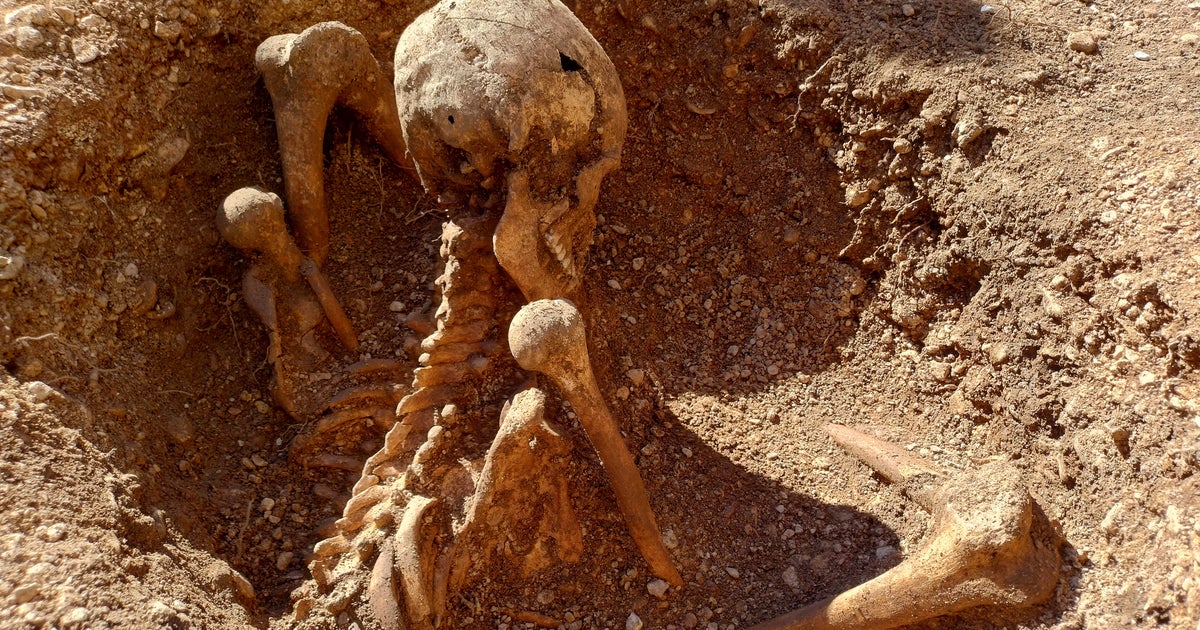
Imagine being a child at a primary school in France and discovering that your new neighbor is a 2,000-year-old skeleton sitting upright in a pit, staring westward as if watching the sunset for eternity. This is exactly what happened this week at the Josephine Baker primary school in Dijon, eastern France. The remarkably well-preserved skeleton was found sitting at the bottom of a circular pit, its hands resting peacefully in its lap, its back against the eastern wall. What makes this discovery particularly intriguing is that it’s not an isolated case—it’s part of a growing collection of similar burials that have archaeologists scratching their heads and racing to understand the mysterious practices of the ancient Gauls. The skeleton joins four others discovered earlier this month in the same unusual seated position, all facing west, all buried in the heart of what was once a significant Gallic settlement. The French National Institute for Preventive Archaeological Research (INRAP) believes these remains date back to somewhere between 300 and 200 BC, a time when the Gallic people dominated much of what we now know as France, Belgium, and Switzerland.
The Gauls: An Enigmatic Celtic People Lost to Time
The Gauls were a Celtic group of people who first emerged around the fifth century BC, spreading their culture and influence across vast territories of Western Europe. For many people today, the Gauls are best known through the beloved French comic series “Asterix and Obelix,” which humorously depicts their resistance against Roman conquest. However, the real Gauls remain largely mysterious to modern historians and archaeologists. Much of what we know about their culture comes from the writings of others—particularly their conquerors—which means the information is often biased or incomplete. Julius Caesar, the Roman emperor who conquered the Gauls in 50 BC, left behind writings about them, but these accounts were colored by the perspective of a military conqueror rather than an objective observer. This lack of direct historical records makes archaeological discoveries like the seated skeletons of Dijon incredibly valuable, offering rare glimpses into how these people actually lived—and died. The fact that we’re still discovering new aspects of their burial practices over two thousand years later speaks to how much we still have to learn about this fascinating civilization.
Dijon: A Special Place for the Gauls
Over the past three decades, archaeological excavations in Dijon have revealed that this city was once a place of particular significance for the Gallic people. The recent discoveries are part of a much larger pattern of finds in the area. Last year, thirteen other Gallic skeletons were discovered approximately twenty meters away from the current site. When combined with earlier discoveries dating back to 1992, around twenty tombs featuring seated Gauls have been unearthed in a small area of Dijon’s city center. This concentration is remarkable—it represents more than a quarter of all the seated Gallic burials ever identified worldwide, with only about seventy-five such tombs discovered across France, Switzerland, and the United Kingdom combined. Regis Labeaune, a researcher at INRAP, emphasized the importance of these findings, stating that they were “particularly impressive discoveries” and that “given the number and quality of these discoveries, we can say there was a significant Gallic settlement in Dijon.” The sheer concentration of these unusual burials in one location suggests that Dijon held special cultural, religious, or political significance for the Gallic people, though exactly what that significance was remains one of the many mysteries archaeologists are working to solve.
The Disturbing Questions: Prize or Punishment?
The seated position of these burials raises more questions than it answers, and some of those questions are deeply unsettling. Were these unusual burials a form of honor, reserved for people of high status or importance? Or were they a punishment, a way of shaming or warning others who might commit similar offenses? The evidence discovered so far doesn’t point clearly in either direction. Some of the skeletons show unhealed marks of violence, which INRAP says are “undoubtedly indicative of intentional killing.” One skeleton, for instance, received two blows to the skull from a sharp object, possibly a sword. This evidence of violent death raises the possibility that these individuals were sacrificed—perhaps to appease gods in hopes of a better harvest, or as part of some other religious ritual we don’t yet understand. Another theory is that they might have been enemy soldiers, buried in this unusual manner by victorious Gauls as a warning to others who might consider fighting against them. Perhaps the most disturbing question of all is whether these people were buried alive, positioned in these pits while still breathing. The seated position is highly atypical for burials from this period. As INRAP archaeo-anthropologist Annamaria Latron explained, archaeologists are much more accustomed to finding burials of people lying down on their backs with their legs extended, not bent and seated as these Gallic individuals were positioned.
What the Bones Tell Us About Their Lives
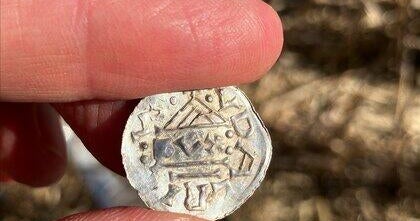
Despite the mysteries surrounding their deaths, the skeletons themselves reveal fascinating details about how these Gallic people lived. All but one of the discovered individuals were men, with heights ranging from 1.62 to 1.82 meters (approximately 5’4″ to 6’0″), which was fairly typical for the time period. The exception was a child discovered in 1992. One of the most striking features archaeologists noted was the exceptional preservation of their teeth, which Latron suggested was “probably because they did not know about sugar.” This detail offers a small window into their diet and lifestyle—free from the refined sugars that cause so much dental decay in modern populations. The bones also tell stories of hard physical labor. Many of the skeletons display traces of osteoarthritis, particularly in their legs, suggesting these were people who engaged in intense physical activity throughout their lives. Whether they were farmers, warriors, laborers, or something else entirely remains unclear. Interestingly, except for one armband that helped date the settlement to the Gallic period, no personal belongings or ornaments were found with the bodies. This absence of grave goods is itself significant—it contrasts sharply with many burial traditions where the deceased were interred with possessions for use in the afterlife, further deepening the mystery of what these unusual burials actually meant.
The Frustrating Reality of Archaeological Mystery
The honest truth, as the archaeologists themselves admit, is that they simply don’t know why these Gallic people were buried in such an unusual way. “We do not have a preferred hypothesis,” Latron emphasized when asked about the meaning behind the seated burials. The frustration in the archaeological community is palpable. “We’re missing the surface layer, which was above the tombs,” Latron explained, suggesting that crucial evidence that might have explained these burials has been lost to time and development. With a smile, she added, “Being an archaeologist can be a very frustrating profession.” This candid admission highlights an important aspect of archaeology that popular culture often glosses over—sometimes, despite our best efforts and most advanced techniques, the past keeps its secrets. However, the discoveries continue to add pieces to the puzzle. Bodies of twenty-eight dogs, five sheep, and two pigs were found near the site in the 1990s, and these carcasses appear to date from the late Gallic period and “seem to correspond to sacrificial practices,” according to INRAP. This evidence of animal sacrifice adds weight to theories that the seated humans might also have been part of ritual practices. INRAP president Dominique Garcia has called for greater attention to be paid to Gallic heritage, noting that remnants of the Gauls still exist in modern French language, including words for “country” and “paganism.” He pointed out that two-thirds of France’s administrative centers have Gallic origins according to archaeological evidence, underscoring that these aren’t just ancient curiosities but foundational elements of French history and culture that deserve continued study and recognition.