


Starbucks Introduces New Incentives: Higher Bonuses and Weekly Pay for Baristas
A Fresh Approach to Employee Compensation
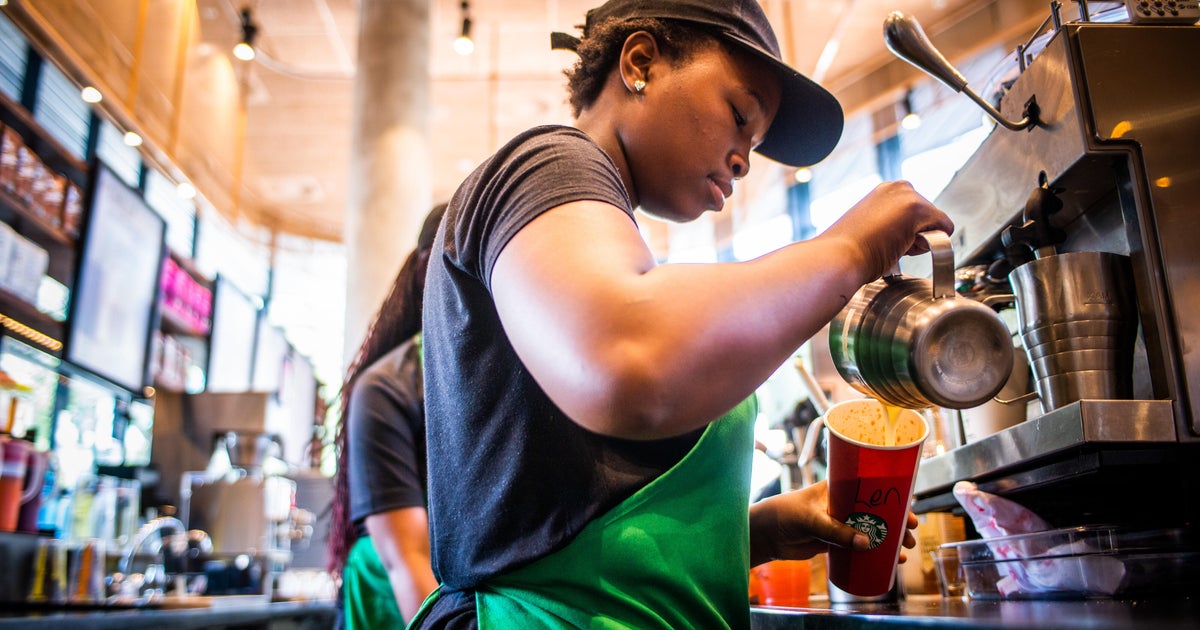
Starbucks has announced a significant overhaul of its employee compensation structure, introducing annual bonuses of up to $1,200 for baristas and transitioning to a weekly payment system. This strategic move represents the coffee giant’s commitment to improving both employee satisfaction and customer service quality across its locations. The bonus structure is performance-based, meaning baristas can earn up to $300 per quarter—totaling $1,200 annually—when their individual stores meet or exceed specific customer service and sales targets. While the company hasn’t disclosed the exact metrics that will determine these bonuses, the initiative clearly aims to create a direct connection between employee effort and financial reward. Additionally, the shift to weekly pay is designed to provide workers with greater financial flexibility, allowing them to manage their expenses more effectively with more frequent access to their earnings. This change acknowledges the financial realities many service industry workers face and demonstrates Starbucks’ understanding that how employees are paid can be just as important as how much they’re paid.
The “Back to Starbucks” Transformation Under New Leadership
These compensation changes are part of a broader transformation strategy spearheaded by CEO Brian Niccol, who has been working to reinvigorate the brand after several challenging quarters of stagnant or declining sales. Niccol’s “Back to Starbucks” turnaround plan represents a comprehensive effort to return the company to its roots while modernizing operations to meet current consumer expectations. The strategy has already begun showing promising results, with the most recent quarter demonstrating a 4% increase in same-store sales—a significant improvement that analysts directly attribute to Niccol’s leadership and vision. The transformation plan encompasses multiple elements beyond employee compensation, including the introduction of new menu items that appeal to changing consumer tastes and the implementation of a standardized barista dress code designed to enhance the company’s professional image. By addressing everything from what baristas wear to what customers order and how employees are compensated, Starbucks is taking a holistic approach to rebuilding its brand identity and market position. The company recognizes that true transformation requires changes at every level of the business, and that frontline employees play a crucial role in delivering the customer experience that will ultimately determine the company’s success.
Recognizing the Value of Frontline Workers
In its official statement, Starbucks explicitly acknowledged that baristas make the company’s progress possible, a recognition that goes beyond typical corporate rhetoric. The company stated that “the new incentive rewards program recognizes partners for the progress they make possible,” using Starbucks’ traditional term “partners” for employees—a designation that reflects the company’s long-standing philosophy of treating workers as stakeholders in the business. This acknowledgment is particularly significant in an industry where frontline service workers are often undervalued despite being the face of their companies and the primary point of contact with customers. By tying bonuses directly to store performance, Starbucks is creating a system where baristas can see how their daily efforts translate into measurable outcomes and financial rewards. This approach can foster a sense of ownership and investment among employees, potentially leading to improved morale, reduced turnover, and enhanced customer interactions. The timing of this initiative is also noteworthy, coming at a moment when labor markets remain competitive and companies across industries are struggling to attract and retain quality workers, particularly in customer-facing roles that require both technical skills and interpersonal abilities.
Enhanced Tipping Options for Increased Earnings
Beyond base pay and bonuses, Starbucks is also revamping its digital tipping system to make it easier for customers to leave gratuities through the company’s mobile app. Currently, customers who pay through the app or by scanning it at the register will find an improved tipping interface that simplifies the process of adding a tip to their transaction. This change might seem minor, but it addresses a significant pain point in the modern service industry: as more transactions move to digital and contactless formats, traditional cash tipping has declined, potentially reducing an important income stream for service workers. By making digital tipping more intuitive and accessible, Starbucks estimates that barista tips could increase by 5% to 8%—a meaningful boost that, when combined with the new bonus structure and weekly pay, could significantly improve workers’ overall compensation. This multi-faceted approach to increasing barista earnings demonstrates that Starbucks understands compensation isn’t just about the hourly wage. Rather, it’s about the total package of earnings opportunities, payment frequency, and the various streams through which workers can build their income. The tipping enhancement also acknowledges customer preferences, recognizing that many patrons want to show appreciation for good service but may find current digital tipping options cumbersome or unclear.
The Business Case for Investing in Employees
From a strategic business perspective, Starbucks’ investment in employee compensation and satisfaction makes considerable sense, particularly given the company’s recent challenges. After experiencing multiple quarters of declining or flat sales, the company needed to make significant changes to reverse its trajectory and regain its competitive edge in an increasingly crowded market. Research consistently shows that employee satisfaction and customer satisfaction are closely linked in service industries—happy, motivated employees tend to provide better customer experiences, which drives repeat business and positive word-of-mouth. By offering more competitive compensation, more frequent pay, and clearer paths to earning bonuses, Starbucks is likely to see benefits including reduced turnover (which lowers recruitment and training costs), increased employee engagement (which improves service quality), and stronger store performance (which drives sales growth). The 4% increase in same-store sales in the most recent quarter suggests that the early elements of Niccol’s transformation plan are already working, and these new compensation initiatives could accelerate that positive momentum. Moreover, in an era when consumers increasingly consider a company’s treatment of workers when making purchasing decisions, these employee-friendly policies could enhance Starbucks’ brand reputation and appeal to socially conscious customers who want to support businesses that treat their workers well.
Looking Ahead: The July Launch and Beyond
The new bonus program is set to begin in July, giving Starbucks several months to communicate the details to employees, establish the performance metrics that will determine bonus eligibility, and prepare store managers to implement the system effectively. This rollout timeline is important because successful implementation will require clear communication about expectations, transparent tracking of performance metrics, and consistent application across thousands of locations. The success of this initiative will ultimately depend not just on the structure of the program itself, but on how well it’s executed at the store level and how fairly and consistently the performance standards are applied. If baristas perceive the goals as achievable and the process as transparent, the program could be highly motivating; if the targets seem arbitrary or unattainable, it could have the opposite effect. Beyond the immediate impact on current employees, these changes may also help Starbucks attract new talent in a competitive labor market, positioning the company as an employer that offers not just a job, but a genuine opportunity to earn meaningful income through multiple channels. As the program launches and evolves, it will be important to watch whether these changes translate into sustained improvements in employee retention, customer satisfaction, and financial performance—the ultimate measures of whether the “Back to Starbucks” transformation is achieving its goals. For now, the announcement represents a significant commitment from the company to invest in its workforce, recognizing that the path to improved business performance runs directly through the baristas who serve customers every day.