


Market Turmoil as Trump’s Iran Strategy Raises Uncertainty
Sharp Market Decline Expected Amid Continued Conflict
Investors are bracing for a difficult day on Wall Street as stock markets prepare for significant losses following President Trump’s latest address on the ongoing conflict with Iran. The financial optimism that had buoyed markets over the previous two days is evaporating quickly, replaced by anxiety and uncertainty about the future. Before the opening bell at 9:30 a.m. Eastern Time, futures contracts painted a grim picture: the S&P 500 was down 1.6%, while the Dow Jones Industrial Average pointed toward a 0.9% decline. This sharp reversal represents a dramatic shift in investor sentiment, particularly disappointing given that stocks had rallied an impressive 3.5% over just two trading sessions. That brief rally had been fueled by investor hopes that a clear resolution to the conflict was on the horizon, which would help stabilize global energy markets and restore some semblance of normalcy to international trade. However, President Trump’s speech dashed those hopes, offering little in the way of concrete plans or timelines that would give markets the certainty they desperately crave.
Oil Prices Surge as Energy Crisis Deepens
The immediate and most visible impact of the President’s remarks has been a dramatic spike in oil prices across global markets. Brent crude, which serves as the international benchmark for oil pricing, surged 7.4% to reach $108.69 per barrel—a significant jump that reflects deep concern about supply disruptions. Meanwhile, the U.S. benchmark crude oil climbed 7.1% to $107.24 per barrel. These increases represent substantial moves in commodity markets and signal that energy traders are preparing for an extended period of supply constraints. The root cause of this anxiety lies in the continued closure of the Strait of Hormuz, a narrow waterway that under normal circumstances handles approximately 20% of the world’s oil and natural gas supply. This critical shipping channel remains effectively shut to tanker traffic, creating a bottleneck that is reverberating throughout global energy markets. According to Ryan Sweet, the global chief economist at Oxford Economics, the strait could remain closed to oil tankers through the end of April. Each day that this vital artery remains blocked adds to the economic toll, creating mounting pressure on energy prices worldwide and threatening to trigger broader economic consequences that extend far beyond the energy sector itself.
Presidential Address Offers Little Clarity
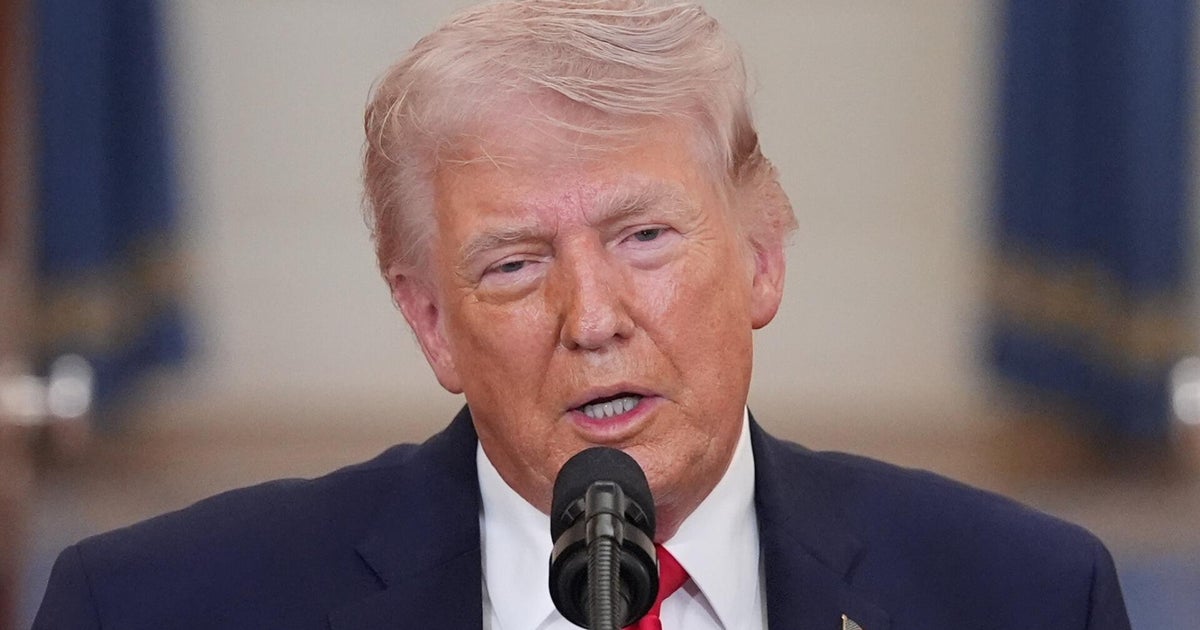
During his highly anticipated address, President Trump repeated many of the same assertions he has made throughout the conflict, claiming that U.S. objectives are nearly accomplished and that Iran’s offensive capabilities have been “essentially decimated” after more than a month of intensive military operations. However, despite the optimistic tone regarding military progress, the President provided frustratingly little new information about what those specific objectives actually are or how the administration plans to achieve them. Most critically for markets and the global economy, Trump offered no concrete plan for reopening the Strait of Hormuz to commercial shipping, particularly oil tankers. Instead, he simply vowed to continue military strikes on Iran for an additional two to three weeks. This lack of specificity and the promise of continued military action for weeks to come has left investors, analysts, and business leaders grappling with significant uncertainty about the future. Nigel Green, a prominent figure at the investment firm deVere Group, captured the prevailing sentiment among financial professionals when he observed, “Markets were beginning to price in more certainty, but this speech reintroduces more ambiguity. Markets had been pricing a shorter, contained conflict. What they’ve heard now is far less definitive, and that uncertainty is likely to drive volatility across asset classes.” This statement underscores a fundamental truth about financial markets: they can handle bad news, but they struggle mightily with uncertainty and ambiguity.
Economic Consequences Mount as Crisis Continues
The economic implications of the ongoing conflict and the closure of the Strait of Hormuz are becoming increasingly severe with each passing day. While the Trump administration has taken steps to mitigate the immediate impact by releasing oil from the Strategic Petroleum Reserve—a massive underground storage system maintained by the federal government for exactly these kinds of emergencies—this stopgap measure will become progressively less effective the longer the crisis continues. Ryan Sweet notes that the extended closure of the strait will inevitably put sustained upward pressure on oil prices, regardless of temporary relief measures. Some economists are painting even more alarming scenarios for where oil prices might head if the situation doesn’t resolve quickly. Nobel Prize-winning economist Paul Krugman, speaking to CBS News this week, didn’t mince words about the potential severity of the situation: “The scary scenarios are, unfortunately, extremely plausible. It’s not at all hard to tell a $150 [per barrel] story, and it’s not crazy to go to $200.” Such prices would represent near-doubling from current levels and would have catastrophic effects on the global economy, potentially triggering recession in multiple countries and causing severe hardship for consumers worldwide. The longer the Strait of Hormuz remains closed and the longer the conflict continues without a clear resolution path, the more these nightmare scenarios move from theoretical possibilities to practical concerns that economists and policymakers must seriously consider.
American Consumers Feel the Pain at the Pump
While stock market volatility and oil price fluctuations might seem abstract to many Americans, the impact of this crisis is hitting home in a very tangible way every time people fill up their gas tanks. U.S. gasoline prices, which are directly tied to global oil prices, continue their relentless climb. According to data from AAA, the average price for a gallon of gasoline across the United States rose to $4.08 on Thursday, up from $4.06 the previous day. While a two-cent daily increase might seem modest, the cumulative effect since the conflict began on February 28 has been substantial and painful for household budgets. According to Bernard Yaros, the lead U.S. economist at Oxford Economics, if the Strait of Hormuz remains closed, gasoline prices will likely continue climbing well above the $4 per gallon threshold, potentially reaching levels not seen since previous energy crises. The financial burden on American families has been quantified by Democrats on the Joint Economic Committee, who calculated that American drivers have spent an additional $8.4 billion on gasoline costs since the war with Iran began. That’s $8.4 billion that could have been spent on other goods and services, saved for the future, or used to pay down debt—money that has instead gone into gas tanks simply to maintain normal daily activities like commuting to work, taking children to school, and running essential errands.
Uncertainty Dominates as Markets Seek Direction
As trading begins and investors digest the implications of President Trump’s address, the overriding theme in financial markets is uncertainty—and markets hate uncertainty perhaps more than anything else. While investors can adjust their strategies and positions based on good news or bad news, ambiguity about the future makes rational decision-making extraordinarily difficult. The brief rally that preceded Thursday’s expected decline demonstrated that markets were ready to respond positively to any signs of conflict resolution or concrete plans to restore normal energy flows. However, the lack of specifics in the President’s remarks has essentially reset expectations, leaving traders and investors without the clarity they need to make confident decisions. The promised continuation of strikes for two to three more weeks provides a minimum timeline but no maximum, leaving open the possibility that the conflict could extend well beyond that period. The absence of any detailed plan for reopening the Strait of Hormuz means that even if military operations conclude successfully by the administration’s standards, the economic disruption could persist for weeks or months afterward. This environment of heightened uncertainty is likely to drive increased volatility across multiple asset classes, from stocks and bonds to commodities and currencies, as investors struggle to price in risks they cannot fully quantify. For ordinary Americans, business leaders, and policymakers alike, the coming days and weeks will be crucial in determining whether this conflict finds a resolution that allows global energy markets to stabilize, or whether the economic pain will deepen and spread more broadly throughout the economy.