
United Airlines Raises Checked Bag Fees Amid Rising Operational Costs
The Latest Price Increase Announcement
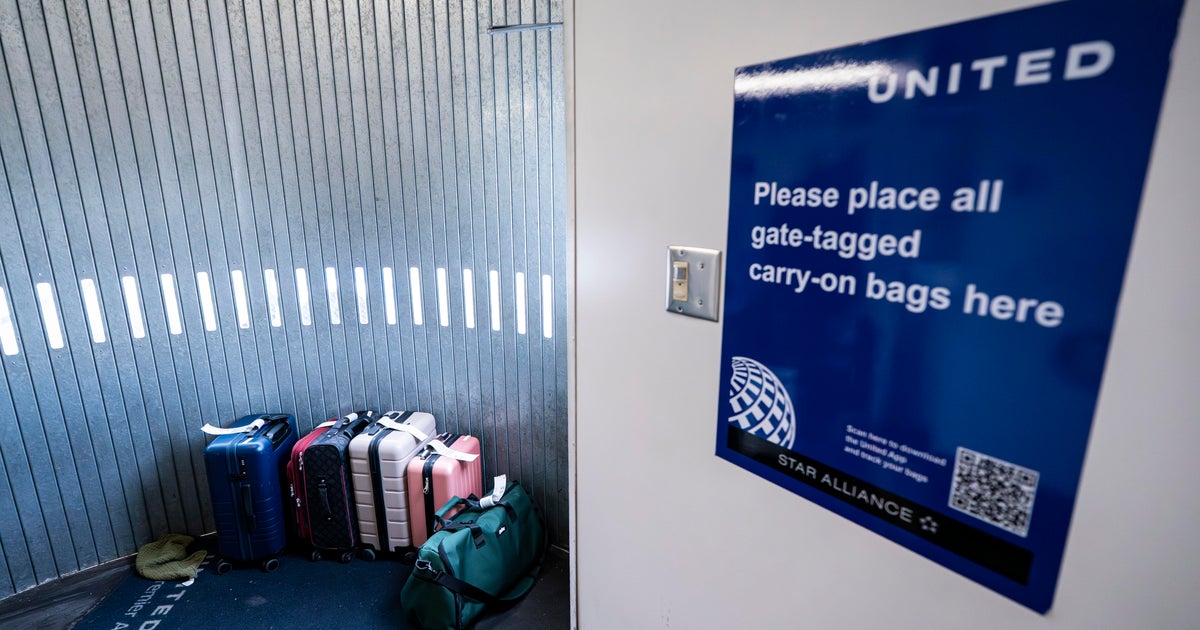
United Airlines has become the second major U.S. carrier this week to announce an increase in checked baggage fees, signaling a broader trend across the aviation industry. The airline revealed on Thursday that passengers will now face steeper charges for checking their luggage on domestic flights as well as flights to Mexico, Canada, and Latin America. Specifically, the cost of checking a first bag will rise by $10 across the board. For travelers who plan ahead and pay for their checked bag in advance, the new rate will be $45, while those who wait until within 24 hours of their flight departure will pay $50. Similarly, second checked bags will now cost $55 when paid in advance or $60 when paid closer to departure time. This represents a significant increase that will affect millions of travelers who rely on checked luggage for their journeys, whether for business trips, family vacations, or extended travel.
Who Gets to Skip the Fee
While the news might sound discouraging for many travelers, United Airlines has made it clear that certain categories of passengers will continue to enjoy complimentary checked baggage privileges. The airline emphasized that customers who hold United Chase credit cards, members of the MileagePlus Premier loyalty program, active military personnel, and passengers traveling in premium cabins such as business or first class will still be able to check bags without incurring these fees. This approach maintains the value proposition for the airline’s most loyal customers and those who have made financial commitments to the brand through co-branded credit cards or frequent travel. Additionally, United specified that passengers who purchased their tickets before Friday, April 3, will be grandfathered in under the old pricing structure, meaning they won’t face these increased fees for trips they’ve already booked. This grace period provides some relief for travelers who made their plans before the announcement and ensures they won’t be surprised by unexpected additional costs at the airport.
The Broader Industry Context
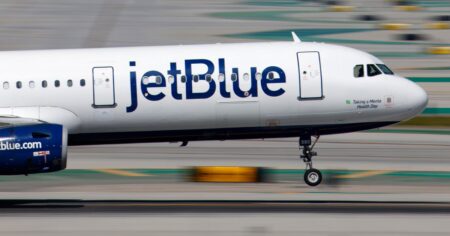
United’s decision to raise baggage fees doesn’t exist in a vacuum—it comes just days after JetBlue Airways implemented similar price increases for checked luggage. JetBlue was more forthcoming about its reasoning, explicitly citing “rising operating costs” as the driver behind the fee adjustments. This pattern suggests that airlines across the industry are facing similar financial pressures and are responding in comparable ways. The timing of these announcements is particularly noteworthy, as it reflects the challenging economic environment that airlines are currently navigating. Operating an airline involves juggling numerous expenses, from aircraft maintenance and crew salaries to airport fees and, perhaps most significantly in the current climate, fuel costs. When these expenses rise sharply, airlines have limited options for maintaining profitability: they can reduce services, increase ticket prices, raise ancillary fees like those for checked bags, or implement some combination of these strategies. United notably mentioned that this marks the first increase in checked bag fees in two years, suggesting the airline had been absorbing rising costs for some time before passing them along to customers.
The Fuel Price Crisis
One of the most significant factors driving these fee increases is the dramatic surge in oil and fuel prices, which has been exacerbated by the ongoing conflict involving Iran. The aviation industry is extremely sensitive to fuel price fluctuations because jet fuel typically represents one of the largest operating expenses for airlines, often accounting for 20-30% of total costs. The situation has been particularly acute recently due to the closure of the Strait of Hormuz, a critical waterway through which a substantial portion of the world’s oil supply passes. This closure has created a supply constriction in global oil markets, driving prices sharply higher. Following President Trump’s comments about the Iran conflict on Wednesday, oil prices experienced another significant jump. Brent crude, which serves as the international benchmark for oil pricing, surged 7.7% to reach $109 per barrel by Thursday afternoon. Meanwhile, the U.S. benchmark crude oil price climbed even more dramatically, rising 11.9% to $111.81 per barrel. These aren’t minor adjustments—they represent substantial cost increases that directly impact airlines’ bottom lines and force difficult decisions about how to maintain financial viability while continuing to serve customers.
Impact on Airfares and Customer Costs
The rising fuel prices haven’t only affected baggage fees—they’ve had a ripple effect throughout airline pricing structures. United Airlines CEO Scott Kirby recently spoke with CBS News senior transportation correspondent Kris Van Cleave about the financial pressures facing the airline industry. Kirby candidly acknowledged that elevated oil prices “create a lot of stress” for airlines and revealed that United’s base airfares have already increased between 15% and 20% over just the past month. This is a remarkable rate of increase that significantly affects travel affordability for millions of Americans. When you combine rising ticket prices with increased baggage fees, the total cost of air travel has become substantially more expensive in a very short period. For a family of four taking a vacation, these increases can add hundreds of dollars to the total trip cost. A family that previously might have paid $35 per checked bag could now pay $45 or $50, and when multiplied across multiple bags and passengers, the costs add up quickly. This situation places travelers in a difficult position: they can try to travel with only carry-on luggage to avoid checked bag fees, but airlines have also been enforcing carry-on size restrictions more strictly, and overhead bin space is limited.
Looking Ahead for Travelers
As airlines continue to navigate the challenging economic landscape created by geopolitical instability and rising operational costs, travelers should prepare for the possibility of additional price increases in the coming months. The pattern we’re seeing with United and JetBlue raising their baggage fees suggests this is becoming an industry-wide adjustment rather than isolated decisions by individual carriers. For consumers, this means it’s more important than ever to be strategic about travel planning and spending. Those who travel frequently might find increased value in airline credit cards that offer free checked bags, as the annual fee for such cards could quickly pay for itself if it eliminates baggage fees on even a few trips per year. Similarly, achieving status in an airline’s loyalty program, which often comes with complimentary checked bag privileges, becomes more valuable as the cost of checking bags rises. Travelers might also consider packing more efficiently to fit everything into carry-on luggage, though this requires careful planning and may not be practical for longer trips or travel with children. The broader situation also highlights how global events—from conflicts in the Middle East to supply chain disruptions—can have direct and immediate impacts on the everyday expenses of ordinary Americans. As the Iran situation continues to unfold and its effects on global oil markets persist, we may see further adjustments to both airfares and ancillary fees. For now, travelers booking flights should factor these higher baggage costs into their budgets and consider booking sooner rather than later, as additional price increases could be on the horizon if fuel costs remain elevated or continue to climb.