



Federal Judge Orders University of Pennsylvania to Share Jewish Employee Information in Discrimination Probe
Court Ruling Sparks Constitutional Debate Over Privacy and Anti-Discrimination Efforts
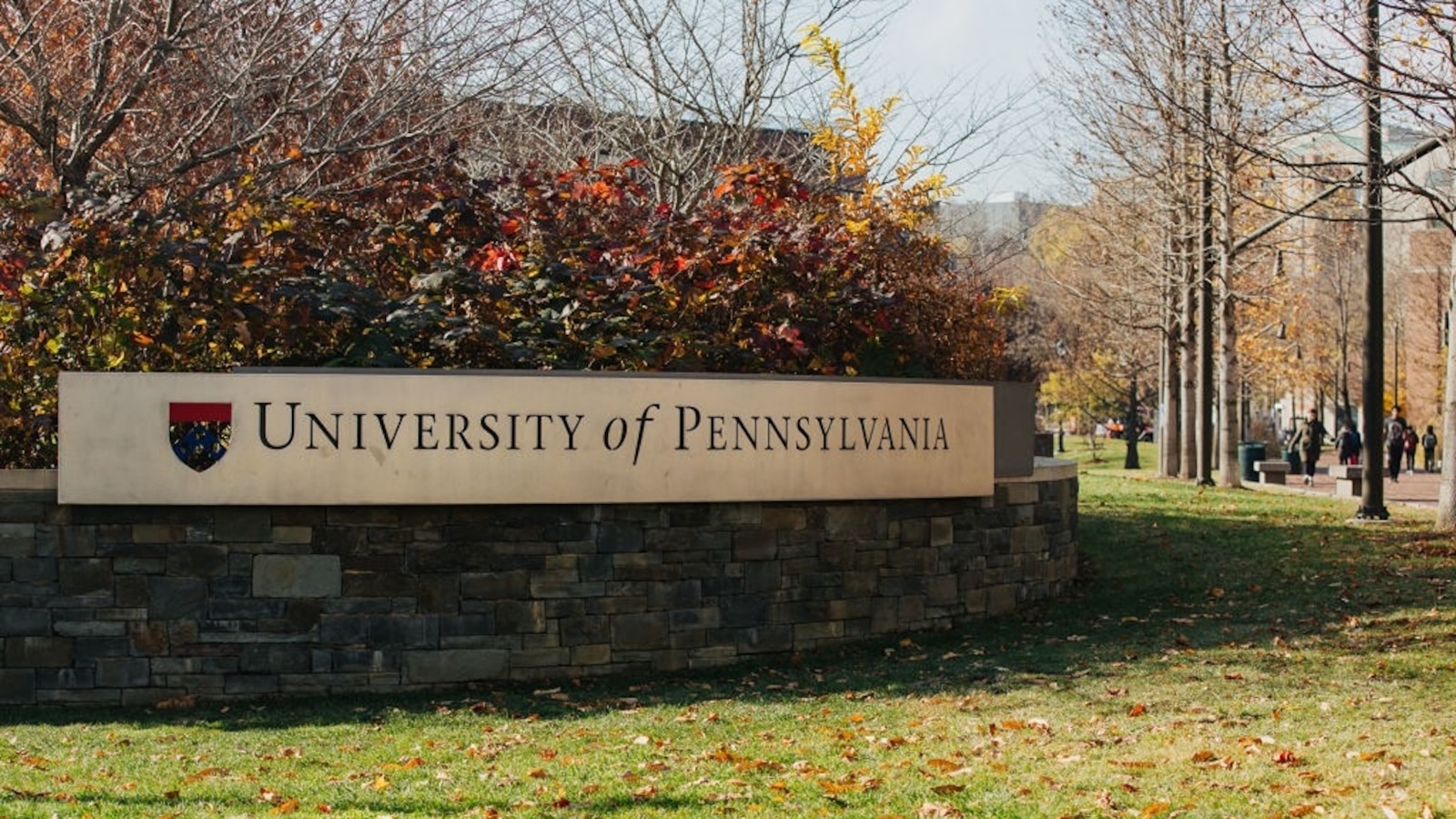
In a controversial decision that has ignited fierce debate about privacy rights, religious freedom, and anti-discrimination enforcement, a federal judge in Philadelphia ruled Tuesday that the University of Pennsylvania must provide the Trump administration with information identifying its Jewish employees. Judge Gerald Pappert’s order comes as part of an ongoing Equal Employment Opportunity Commission investigation into allegations of antisemitism on campus and claims that Penn failed to maintain a work environment free from harassment for Jewish faculty, staff, and students. The ruling has drawn sharp criticism from various campus groups who have raised concerns about both the methodology and potential implications of compiling such lists, with some drawing parallels to historical persecution. Nevertheless, the court determined that the EEOC’s request serves a legitimate investigative purpose and should proceed, setting up what promises to be a significant legal battle over the balance between civil rights enforcement and individual privacy protections.
Background of the EEOC Investigation and What Led to This Moment
The Equal Employment Opportunity Commission’s investigation into the University of Pennsylvania represents part of a broader examination of antisemitism complaints at American universities, particularly in the wake of increased tensions following the October 7, 2023 Hamas attack on Israel. The federal agency has been specifically investigating whether Penn tolerated a hostile educational and work environment that disproportionately affected Jewish members of the university community. According to the investigation’s scope, the EEOC is examining whether the university failed in its legal obligation to provide Jewish faculty, staff, and other employees with a workplace free from religious discrimination and harassment. This probe reflects growing national attention to reports of antisemitism on college campuses, which have intensified amid broader debates about free speech, political activism, and the responsibilities of educational institutions to protect all members of their communities from discrimination. The investigation’s demands for employee information represent a significant escalation in the government’s approach to addressing these concerns, moving beyond general inquiries into specific requests for identifying information about individuals based on their religious affiliation or association.
The Judge’s Reasoning and Legal Justification for the Order
In his written decision, Judge Gerald Pappert acknowledged that the EEOC’s request was “ineptly worded,” suggesting the agency could have been more careful in crafting its demands for information. However, he ultimately sided with federal investigators, determining that the request served “an understandable purpose” within the context of a legitimate discrimination investigation. The judge explained that rather than seeking blanket information on all university employees—which would be overly broad and potentially more invasive—the EEOC was attempting to obtain data “in a narrowly tailored way” by focusing specifically on individuals connected to Penn’s Jewish community. Pappert reasoned that these individuals, by virtue of their membership in Jewish-related organizations or their identification as Jewish employees, would be “reasonably likely to have information relevant to whether Penn subjected Jewish employees to religious discrimination.” From the court’s perspective, this targeted approach represented a measured investigative technique designed to identify potential witnesses and victims of alleged discrimination without casting an unnecessarily wide net. The judge’s ruling suggests that in discrimination cases, investigators have legitimate grounds to identify and contact members of protected groups who might have experienced or observed the discriminatory conduct under investigation, even when doing so requires compiling lists based on religious affiliation.
Strong Opposition from Student and Faculty Groups Raises Historical Concerns
The court’s decision has met with vigorous opposition from Jewish student and faculty groups at Penn, who have raised profound concerns about the methodology and potential consequences of the government’s approach. These groups have drawn controversial comparisons between the EEOC’s efforts to compile lists of Jewish employees and the systematic identification and cataloging of Jewish individuals by Nazi Germany during the Holocaust—a comparison that Judge Pappert explicitly addressed in his ruling, calling it “unfortunate and inappropriate.” Despite the judge’s dismissal of this analogy, the concerns raised by these groups reflect deeply rooted anxieties within the Jewish community about being singled out and identified by governmental authorities, even when the stated purpose is ostensibly protective rather than persecutory. Critics of the order argue that requiring the university to create and hand over lists identifying employees by religion sets a dangerous precedent that could be misused, either by the current administration or future ones with different intentions. They contend that while combating antisemitism is undoubtedly important, the means employed to do so must not themselves evoke the historical traumas that make such discrimination so particularly heinous. These objections highlight the complex tension between the goal of protecting vulnerable groups from discrimination and the methods used to achieve that protection, particularly when those methods involve identifying and cataloging individuals based on the very characteristic that makes them vulnerable to discrimination in the first place.
University’s Response and Plans to Appeal the Decision
The University of Pennsylvania has made clear its intention to fight Judge Pappert’s order through the appeals process, issuing a statement that attempts to balance several competing concerns. A university spokesman emphasized Penn’s commitment “to confronting antisemitism and all forms of discrimination,” pointing to multiple steps the institution has taken to prevent and address discriminatory incidents on campus. This acknowledgment serves to position the university as aligned with the goal of combating antisemitism while objecting specifically to the investigative methods being employed. The statement continued by recognizing “the important role of the EEOC to investigate discrimination,” thereby avoiding any appearance of obstructing legitimate civil rights enforcement. However, the university firmly asserted that it also has “an obligation to protect the rights of our employees,” framing its resistance as a matter of principle rather than an attempt to avoid accountability. Penn’s legal position centers on what it characterizes as “serious privacy and First Amendment concerns” raised by the requirement to create lists of Jewish faculty and staff and provide their personal contact information. Significantly, the university noted that it does not maintain employee lists organized by religion—a fact that makes compliance with the order particularly burdensome and that raises questions about what procedures would be necessary to compile such information. The university’s planned appeal will likely focus on these constitutional issues, potentially setting up a significant test case about the limits of government authority in civil rights investigations.
Broader Implications for Privacy, Religious Freedom, and Anti-Discrimination Enforcement
This case raises fundamental questions that extend far beyond the specific circumstances at the University of Pennsylvania, touching on core tensions in American law between privacy rights, religious freedom, and the enforcement of civil rights protections. On one hand, effective investigation and remediation of discrimination often requires identifying members of protected groups who may have been harmed or who possess relevant information—a reality that supports the EEOC’s position. Civil rights enforcement has historically depended on the ability of government agencies to collect demographic information and identify patterns of discrimination that might otherwise remain hidden. Without some means of contacting potentially affected individuals, investigators might miss crucial evidence or fail to provide relief to victims who are unaware of their rights or reluctant to come forward. On the other hand, the compilation of lists identifying individuals by religion, race, or other protected characteristics creates obvious risks, particularly given historical examples of how such information has been weaponized against vulnerable populations. The case also implicates First Amendment principles of associational privacy—the idea that individuals have a constitutional right to affiliate with religious, political, or social organizations without government surveillance or interference. As this case moves through the appeals process, courts will need to grapple with where to draw the line between legitimate civil rights enforcement and potential overreach that could itself threaten the very liberties such enforcement is meant to protect. The outcome may establish important precedents about what information the government can demand in discrimination investigations, how universities and other institutions must maintain and protect information about employees’ religious affiliations, and how to balance the imperative of combating discrimination against equally important values of privacy and associational freedom in an increasingly polarized society.