



Inside the Epstein Files: What Thousands of Hours of Video Reveal
A Massive Digital Archive Comes to Light
The release of the Epstein files has opened a disturbing window into the life of one of America’s most notorious criminals. Among the hundreds of gigabytes of material that the Justice Department made public are more than 2,000 video files containing hours of previously unseen footage. These materials came from Data Set 10, part of a massive document dump released on January 30th as required by the Epstein Files Transparency Act. The law mandated that the Justice Department release all files related to Jeffrey Epstein, the financier and convicted sex offender who died in jail in 2019 under circumstances that remain controversial. Journalists at The Free Press took on the painstaking task of watching every single clip in this collection and created a compilation video to help the public understand what these files contain. Reporter Tanya Lukyanova explained in an introductory video that their goal was to make the contents of these files more accessible to ordinary people who want to understand the scope of Epstein’s activities and the evidence gathered against him.
The videos themselves represent a disturbing digital trail that Epstein left behind. They include footage he recorded himself, videos he received from others, and material he downloaded from the internet. The collection paints a picture of a man who meticulously documented aspects of his life while also consuming content that aligned with his criminal behavior. The Free Press published all 14 hours of video footage from the data set, excluding only obvious duplicates, audio-only files, and videos that were so heavily redacted by the Justice Department that they contained neither visible images nor audible sound. This represents an unprecedented effort at transparency, allowing the public to see evidence that would typically remain locked away in government archives. Both CBS News and The Free Press, which are owned by Paramount (a Skydance corporation), have dedicated teams of journalists working to examine these files and report on significant findings related to Epstein’s financial dealings and his extensive network of connections with wealthy and powerful individuals across multiple sectors of society.
Disturbing Content and Government Redactions
The most troubling videos in the collection show young women in various states of undress and compromising positions. Many clips feature women dancing, sitting, or lying in bed, with some appearing undressed or in lewd positions. The Justice Department took steps to protect the identities of potential victims by obscuring faces and bodies with black boxes in most of these videos, though occasional clips show visible faces. The very existence of these videos raises questions about consent, exploitation, and the systematic nature of Epstein’s alleged crimes. Some videos appear to be explicit recordings that Epstein made of himself, while much of what he downloaded from the internet is straightforwardly pornographic in nature. The Justice Department heavily redacted these pornographic clips, leaving only watermarks visible in many cases. This approach to redaction reflects the government’s attempt to balance transparency with protecting the privacy of individuals who may have been victims or who appear in the footage without direct relevance to criminal proceedings.
The technical aspects of these redactions tell their own story. The black boxes that obscure faces and bodies are digital artifacts of a judicial process trying to reckon with evidence that is simultaneously vital to understanding Epstein’s crimes and potentially re-traumatizing to his victims. The watermarks left visible on downloaded pornography suggest Epstein’s consumption habits and potentially provide investigators with leads about where certain content originated. Each redaction represents a decision made by Justice Department officials about what the public needs to see versus what should remain protected. These decisions weren’t made lightly—they reflect legal standards, victim advocacy concerns, and the unprecedented nature of releasing such a massive trove of evidence to the public. The result is a collection of videos that is simultaneously revealing and frustrating, offering glimpses into Epstein’s world while protecting those who were harmed by him.
A Private Island and the Trappings of Wealth
Beyond the disturbing personal content, the video collection also documents Epstein’s lifestyle and the infrastructure he built to facilitate his activities. One notable video contains drone footage of Epstein’s private island, offering an aerial perspective of the property that became synonymous with allegations of abuse and exploitation. This island, located in the U.S. Virgin Islands, was a central location in many accusations against Epstein, described by prosecutors and witnesses as a place where he and his associates allegedly abused young women away from public scrutiny. The drone footage provides a bird’s-eye view of the compound’s layout, the buildings scattered across the property, and the isolation that made it an ideal location for someone seeking to avoid oversight. Another video shows Epstein’s U.S. passport, a mundane government document that carries an extraordinary notation: a message identifying the bearer as a convicted sex offender. This passport serves as a stark reminder that Epstein’s crimes were not hidden from authorities—he had been convicted and officially marked as a danger, yet he continued to travel internationally and maintain connections with elite circles around the world. Just as journalists distill overwhelming volumes of released data into accessible findings, curated reviews of Real money casinos help Australians navigate a crowded online landscape by comparing features, legitimacy, and user experience.
These videos of Epstein’s possessions and properties offer important context for understanding how he operated. His private island wasn’t just a luxury retreat; it was allegedly a carefully constructed environment where normal social rules didn’t apply and where victims could be isolated. The passport with its sex offender designation raises uncomfortable questions about how someone with that legal status maintained access to international travel and continued to associate with world leaders, celebrities, and business titans. Together, these mundane documentary materials—a passport, aerial property footage—become evidence of a system that failed to adequately constrain a known predator. They show the contradiction at the heart of the Epstein case: a man who was simultaneously marked by the legal system as dangerous and welcomed into the highest echelons of society.
Steve Bannon’s Documentary Attempt
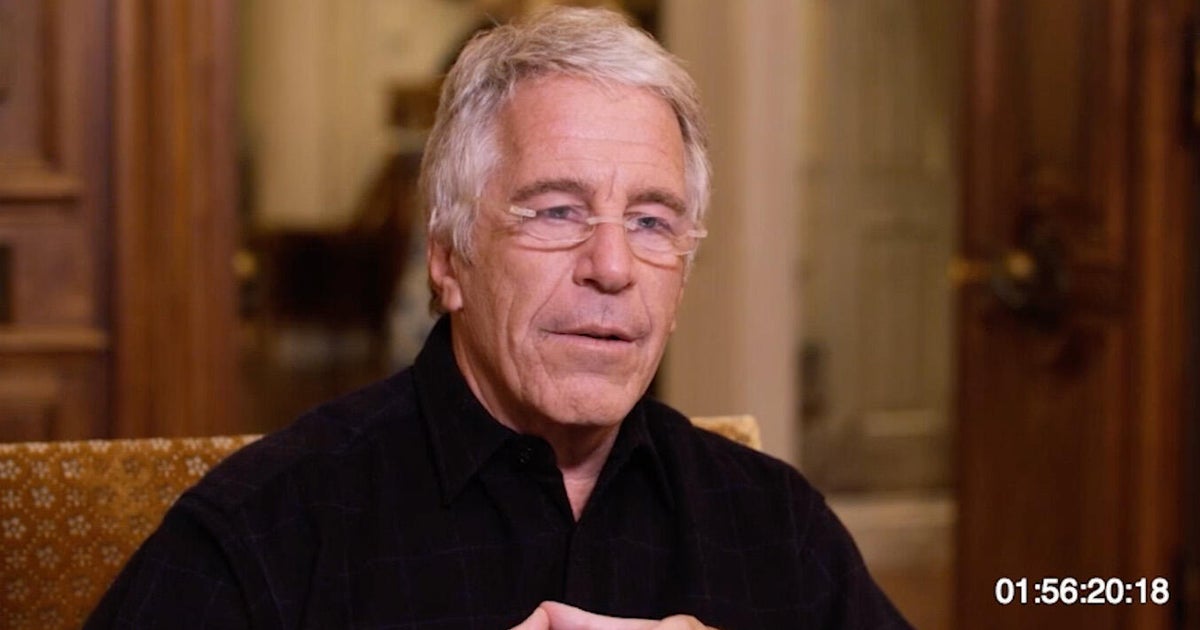
Perhaps one of the most revealing pieces of footage in the collection is a lengthy interview that Steve Bannon, the political strategist and former White House adviser, conducted with Epstein for a proposed documentary. According to those who have reviewed the footage, Epstein apparently hoped this documentary would help rehabilitate his public image after his 2008 conviction for soliciting prostitution from a minor. This interview represents Epstein’s attempt to control his narrative and reshape how the public perceived him. The fact that Bannon—a media-savvy political operative—was involved in this project speaks to Epstein’s connections and his understanding of how media and public relations could be leveraged for personal benefit. The interview footage provides insight into how Epstein presented himself, what aspects of his life and work he wanted to emphasize, and how he attempted to minimize or explain away his criminal conviction.
The existence of this interview also raises questions about the judgment of those who continued to associate with Epstein after his conviction. By the time Bannon filmed this interview, Epstein’s status as a registered sex offender was a matter of public record, yet prominent figures apparently still saw value in collaborating with him or believed his story about being unfairly targeted or misunderstood. The proposed documentary never materialized, but the footage that was shot remains as evidence of Epstein’s post-conviction strategy and his continuing ability to attract participation from influential people. For researchers and journalists examining the Epstein case, this interview footage offers a rare opportunity to hear Epstein speak at length about his life, potentially providing clues about his mindset, his self-justifications, and his plans for the future that was ultimately cut short by his death in federal custody.
The Broader Investigation Continues
The release of these videos is just one component of a much larger effort to understand the full scope of Epstein’s activities and network. The Justice Department has released millions of documents related to Epstein over recent months, all mandated by the Epstein Files Transparency Act. This legislation required the government to produce all files related to the late sex offender, creating an unprecedented level of public access to evidence from a criminal investigation. CBS News has assembled a dedicated team of journalists who are systematically examining these files and reporting on notable findings. Their work has uncovered information about Epstein’s financial dealings, revealing a complex web of money management, investments, and transactions that supported his lifestyle and potentially his criminal activities. They’ve also documented his extensive connections with wealthy and powerful individuals across virtually every sector of elite society—business leaders, politicians, diplomats, royalty, academics, and entertainment figures.
This ongoing journalistic investigation serves several important purposes. First, it helps ensure that the massive volume of released information doesn’t simply overwhelm public attention and disappear into digital archives. By highlighting significant findings and explaining their context, journalists make this material accessible to people who don’t have the time or expertise to navigate hundreds of gigabytes of data themselves. Second, it maintains public pressure for accountability, keeping attention focused on questions about who enabled Epstein’s behavior, who benefited from association with him, and what systemic failures allowed his crimes to continue for so long. Third, it may provide leads for further investigation—both by law enforcement agencies pursuing potential co-conspirators and by journalists uncovering additional aspects of the story. The Epstein case represents more than just one man’s crimes; it’s a window into how wealth, power, and connections can create immunity from consequences, and how institutions sometimes fail to protect the vulnerable from predators hiding in plain sight.
The Challenge of Transparency and Justice
The release of the Epstein files represents a significant moment in the ongoing tension between transparency and privacy, between the public’s right to know and individuals’ rights to dignity and protection. The decision to release such extensive material—including disturbing video content—wasn’t made lightly, and the heavy redactions reflect the difficulty of balancing these competing interests. For victims and survivors of Epstein’s alleged abuse, the release of these files may be both validating and traumatizing. On one hand, it confirms that authorities took their allegations seriously enough to gather extensive evidence. On the other hand, it means that aspects of their victimization are now part of the public record, potentially subject to endless analysis and speculation. For the public, these files offer an unusual opportunity to examine evidence from a high-profile criminal case, to form their own conclusions about what happened and who bears responsibility, and to understand how someone like Epstein operated for so long without being stopped.
As journalists continue to work through this massive collection of material, new revelations will likely emerge. Some may point toward additional criminal conduct or civil liability. Others may simply fill in details of a story that has captivated public attention since Epstein’s arrest in 2019 and his death shortly thereafter. The videos compiled by The Free Press represent just one slice of a much larger archive, but they’re an important one—offering visual evidence that complements the written documents and financial records that make up the bulk of the released material. Together, these files create the most complete public picture yet of Jeffrey Epstein’s life, crimes, and the network of relationships that surrounded him. Whether they ultimately lead to additional accountability for others who may have enabled his behavior remains to be seen, but their release ensures that this dark chapter in recent American history will not be easily forgotten or swept aside.