

Federal Reserve Interest Rate Cuts Pushed Back as Economic Uncertainty Grows
The Shifting Timeline for Monetary Policy Relief
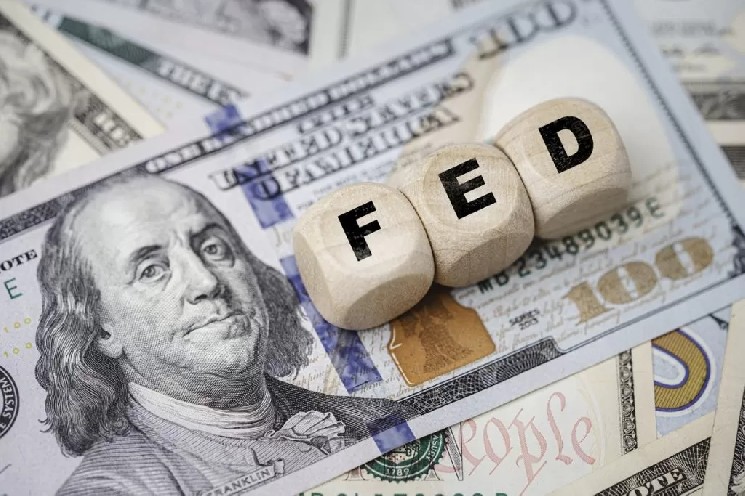
In what has become a familiar pattern for anyone watching the U.S. economy, expectations for when the Federal Reserve will begin lowering interest rates are once again being pushed further into the future. Just when many Americans were hoping for some relief from the high borrowing costs that have made everything from mortgages to car loans more expensive, new economic pressures are forcing policymakers to pump the brakes on any plans to ease up. According to a fresh survey of economists conducted by Reuters, the Fed is now expected to hold off on cutting interest rates for at least another six months. This marks yet another delay in what many had hoped would be a return to a more accommodative monetary policy environment that could provide some breathing room for consumers and businesses alike.
The primary culprit behind this延postponement is the ongoing conflict in the Middle East, which has now stretched on for approximately two months and continues to send shockwaves through global commodity markets. This geopolitical turmoil has had a particularly pronounced effect on energy prices, which have climbed dramatically and rekindled concerns about inflation just when it seemed like price pressures might finally be coming under control. The spike in fuel costs hasn’t just affected what people pay at the pump—it’s rippled through the entire economy, affecting transportation costs, manufacturing expenses, and ultimately the prices consumers pay for goods and services across the board. As these energy-related costs have surged, they’ve essentially undone much of the progress that had been made in cooling down the economy, and have forced both the Federal Reserve and market participants to recalibrate their expectations about when monetary policy might become less restrictive.
Consumer Confidence Takes a Hit as Economic Optimism Fades
The economic impact of rising energy prices extends far beyond simple dollars and cents—it’s fundamentally affecting how Americans feel about their financial futures. Consumer confidence, that crucial measure of how optimistic people are about the economy and their own financial situations, has plummeted to record lows. This psychological dimension of economic health matters enormously because consumer spending accounts for roughly two-thirds of all economic activity in the United States. When people feel pessimistic about the future, they tend to pull back on spending, delay major purchases, and generally adopt a more cautious approach to their finances. This creates a potential feedback loop where reduced spending can slow economic growth, which in turn can validate and deepen those pessimistic feelings.
The collapse in consumer confidence has also had significant implications for financial markets, which had previously priced in expectations of earlier interest rate cuts. In the months leading up to the current situation, many investors had positioned themselves based on the assumption that the Fed would begin lowering rates relatively soon, possibly as early as the summer months. These expectations had helped support stock prices and had kept bond yields in check. However, as the reality of persistent inflation has set in, those early optimistic scenarios have been largely abandoned. The market recalibration has been swift and sometimes painful, with investors forced to adjust their portfolios and expectations to account for a “higher for longer” interest rate environment. This shift represents not just a technical adjustment in financial markets, but a broader recognition that the path back to normal monetary policy will be longer and more complicated than many had hoped.
Fed Officials Signal Continued Caution on Inflation
Perhaps most telling about the current economic moment is the tone coming from Federal Reserve officials themselves, including those typically considered most sympathetic to lowering interest rates. Even the most dovish members of the Fed—those who generally favor looser monetary policy and are most concerned about the employment side of the Fed’s dual mandate—are now using unusually stark language to describe the inflation situation. Several have characterized current inflation levels as “disturbingly high,” a description that leaves little room for ambiguity about their concerns. This rare consensus across the Fed’s ideological spectrum significantly diminishes the likelihood of any rapid pivot toward easier monetary policy, as it suggests that policymakers see continued vigilance on inflation as essential regardless of other economic considerations.
This unified front among Fed officials represents an important shift from earlier in the year when there was more visible debate about the appropriate timing for rate cuts. The fact that even traditionally dovish members are expressing such strong concerns about inflation tells us that the data they’re seeing must be quite concerning, and that the central bank feels it cannot afford to ease up prematurely and risk allowing inflation to become further entrenched in the economy. The Fed is clearly determined not to repeat the mistakes of the 1970s, when premature easing allowed inflation to surge back with a vengeance, ultimately requiring even more painful measures to bring it under control. This historical memory is weighing heavily on current policy deliberations and reinforcing the central bank’s commitment to maintaining restrictive policy until there’s clear and convincing evidence that inflation is truly under control.
What the Latest Economic Survey Reveals
The Reuters survey of economists, conducted between April 17 and 21, provides a revealing snapshot of how professional forecasters are reassessing the economic landscape. Out of 103 economists surveyed, 56 now predict that the Fed’s policy rate will remain stable in its current range of 3.50% to 3.75% until at least the end of September. This represents a dramatic shift in sentiment compared to a similar survey conducted in late March, when nearly 70% of respondents expected at least one rate cut by September. The speed of this change—occurring in less than a month—underscores just how quickly economic conditions and expectations can shift, and how recent events have genuinely altered the calculus around monetary policy.
Despite the more pessimistic near-term outlook, there remains some hope for relief before the year is out. Most economists still expect at least one interest rate cut by the end of the year, with the median forecast calling for a single quarter-point reduction. This expectation aligns with the Federal Reserve’s own “dot plot” projections that were released last month, which show where individual Fed officials expect interest rates to be at various points in the future. However, even this modest expectation for one rate cut is far from certain. Nearly a third of the economists surveyed now believe there will be no rate cuts at all in the current year—a figure that has almost doubled compared to the previous survey just a few weeks earlier. This growing minority view reflects genuine uncertainty about whether inflation will cool sufficiently to allow any easing of policy in 2024, or whether the Fed will need to maintain its restrictive stance for even longer than currently anticipated.
The Broader Economic Implications and What It Means for Americans
For everyday Americans, the practical implications of this extended period of high interest rates are significant and wide-ranging. Mortgages remain expensive, with rates still hovering near multi-decade highs, making homeownership increasingly unaffordable for many potential buyers and effectively freezing the housing market. Those looking to finance a car purchase face similarly elevated borrowing costs, while credit card interest rates have climbed to record levels, making it more expensive to carry balances. Small businesses that need to borrow to expand or cover operational costs are also feeling the pinch, potentially limiting job creation and economic growth. Even for those who aren’t actively borrowing, the high interest rate environment has ripple effects throughout the economy that can affect employment prospects, wage growth, and overall economic opportunity.
On the flip side, savers are finally earning meaningful returns on their deposits after years of near-zero interest rates, and those living on fixed incomes tied to interest rates have seen improvements in their financial situations. The stock market, while volatile, has shown resilience despite the interest rate environment, though individual investors need to be prepared for continued uncertainty. The bond market has adjusted to reflect expectations of higher rates for longer, which has implications for everything from municipal finance to corporate borrowing costs. As we move through the remainder of the year, the key question will be whether inflation continues to moderate enough to give the Fed confidence to begin cutting rates, or whether persistent price pressures will force the central bank to maintain its restrictive stance even longer. For now, Americans should prepare for an extended period of higher borrowing costs while the Fed continues its battle to bring inflation fully under control, with any relief likely coming later and more gradually than many had hoped just a few months ago.