
Military Wife’s Detention: A Family’s Heartbreak and the Fight Against Deportation
Broken Promises and Shattered Hope
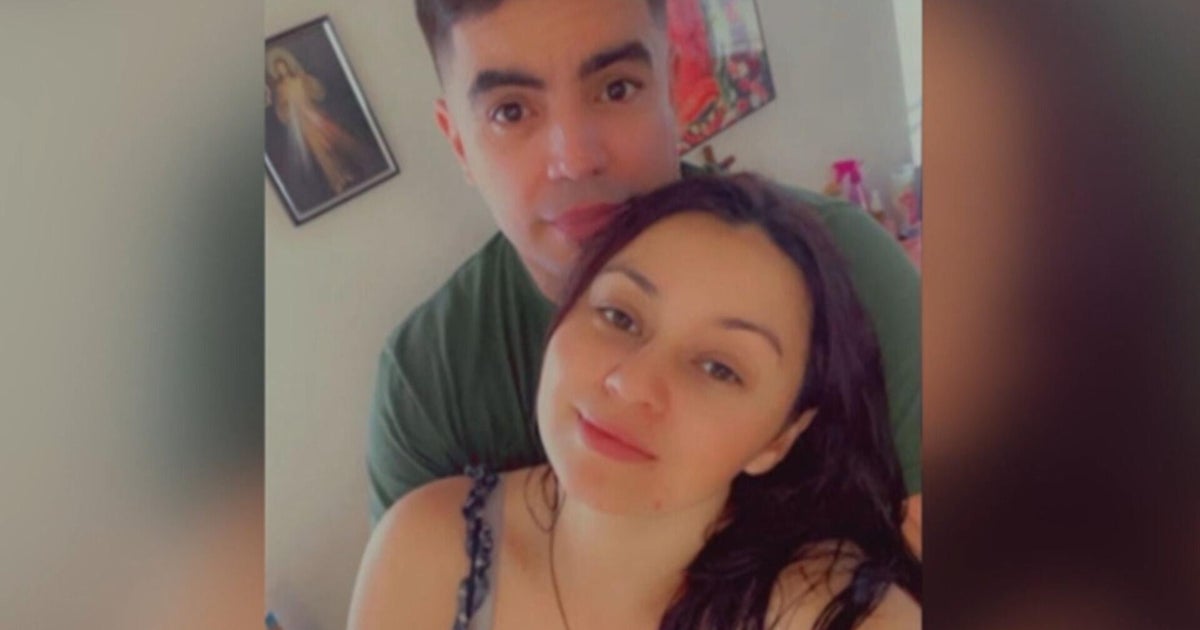
In a devastating turn of events that has left a military family reeling, Deisy Rivera Ortega, the wife of a decorated U.S. Army soldier, will not be released from federal custody as initially promised. The El Salvador native, who was detained by Immigration and Customs Enforcement (ICE) on April 14, had been given hope earlier Wednesday when officials informed her she would be released by day’s end from an ICE detention center in El Paso. Her family’s joy was short-lived. Within hours, that promise was reversed, and they learned she would instead be deported to Mexico, a country where she has no connections or family ties. Her attorney, Matthew James Kozik, described the family as “heartbroken” by the sudden reversal, while her husband, Sergeant First Class Jose Serrano, who had just shared the good news with CBS News, was left to process yet another blow to his family.
The situation highlights the complex and often painful intersection of immigration enforcement and military family life. Rivera Ortega wasn’t detained during a routine traffic stop or workplace raid. She was arrested while attending an immigration appointment related to her pending application for Parole in Place, a program specifically designed to protect military spouses and parents from deportation. The irony of being detained while trying to follow proper legal channels has not been lost on advocates and supporters. Kozik has stated his intention to mount a court challenge to block her deportation, setting the stage for a legal battle that could determine whether this military family will be torn apart or allowed to remain together.
A Soldier’s Sacrifice and His Family’s Struggle
Sergeant First Class Jose Serrano is not just any soldier—he’s a veteran of 27 years of military service who has deployed to Afghanistan three times in defense of his country. His dedication to the United States has been unwavering, placing himself in harm’s way repeatedly while his family waited anxiously at home. Now, after nearly three decades of service, he finds himself fighting a different kind of battle on the home front, one that involves navigating the complex and often unforgiving immigration system to keep his wife from being deported. The couple has built their life together in the United States over the past decade, creating a home and contributing to their community while Serrano continued his military service.
The cruel twist in this story is that Rivera Ortega was actively engaged in the legal process to secure her status. She wasn’t hiding from authorities or avoiding her immigration obligations. On the contrary, she was attending an appointment specifically related to obtaining legal protection through the Parole in Place program. This program exists precisely because lawmakers recognized that military families make unique sacrifices for our country and that these families should not be torn apart by immigration enforcement. The fact that an appointment meant to provide protection became the moment of her arrest has raised questions about how immigration policy is being implemented and whether sufficient consideration is being given to the special circumstances of military families.
The Legal Complications and Previous Deportation Order
According to the Department of Homeland Security, Rivera Ortega’s detention stems from a deportation order that dates back to 2019. Officials stated that she was convicted of entering the United States illegally, which is classified as a federal misdemeanor. While this might seem straightforward on paper, the reality is far more nuanced. Immigration law is notoriously complex, and past violations don’t always tell the full story of a person’s current circumstances or their ties to the United States. In Rivera Ortega’s case, she has been living in the country for ten years, married to an active-duty soldier, and was in the process of seeking legal status through a program designed for people in exactly her situation.
What makes this case even more complicated is that Rivera Ortega was granted legal protection in 2019 from being deported to El Salvador, her country of origin. This protection, however, doesn’t prevent her from being sent to a third country. As a result, Serrano was informed that his wife could be deported to Mexico, even though she has no family, connections, or support system there. This aspect of immigration enforcement—sending individuals to countries other than their homeland—can place deportees in extremely vulnerable situations. For Rivera Ortega, being sent to Mexico would mean starting over in a country she doesn’t know, separated from her husband and the life they’ve built together, without the support network she might have had in El Salvador.
The Broader Context: Military Families and Immigration
This case is far from unique, though each story carries its own particular heartbreak. Thousands of military families across the United States include members who are navigating the immigration system, often while dealing with the additional stresses of military life—deployments, frequent relocations, and the constant worry that comes with having a loved one in harm’s way. The Parole in Place program was created specifically to address these situations, recognizing that when someone serves in the U.S. military, their family serves too. The program allows certain family members of military personnel to apply for lawful status without having to leave the country, acknowledging both their contributions and the unique hardships they face.
However, implementation of immigration policy has become increasingly strict in recent years, and even programs designed to protect military families can become entangled in broader enforcement priorities. When someone has a prior deportation order or conviction, even a minor one, it can override other considerations and lead to detention and removal proceedings despite their military family connections. This creates agonizing situations for soldiers like Sergeant Serrano, who have given so much in service to their country only to face the possibility of having their families torn apart by that same government. Many advocates argue that immigration enforcement should take a more holistic view of cases involving military families, weighing their contributions and current circumstances more heavily than past violations.
The Emotional Toll and Community Response
The emotional roller coaster that the Serrano family has experienced over the past week has been extraordinarily difficult. Imagine the moment when Rivera Ortega was told she would be released—the flood of relief, the tears of joy, the phone calls to family members sharing the good news. Her attorney described her as “elated” when she received the news earlier Wednesday. For those few hours, the nightmare seemed to be ending. Then came the reversal. The release was canceled, and instead of going home, she would be deported. For a family already dealing with the stress of military life and immigration uncertainty, such a dramatic reversal adds another layer of trauma.
The impact extends beyond just the immediate family. Their story has resonated with many Americans who believe that military families deserve better treatment and that the immigration system needs reform to handle cases with more flexibility and humanity. When a soldier deploys overseas, they do so with the understanding that their country will take care of their family while they’re gone. Having that implicit promise broken—or perceived to be broken—sends a troubling message to service members about what they can expect in return for their sacrifice. As this case moves forward into the legal system, it will likely draw increased attention from military advocacy groups, immigration reform advocates, and others who see it as emblematic of larger problems in how immigration enforcement intersects with military service.
What Comes Next: Legal Battles and Uncertain Futures
Attorney Matthew James Kozik is now preparing a court challenge to block Rivera Ortega’s deportation, but the path forward is uncertain and potentially lengthy. Immigration court proceedings can take months or even years to resolve, during which time Rivera Ortega may remain in detention, separated from her husband and home. The legal arguments will likely center on whether proper consideration was given to her Parole in Place application, whether the previous deportation order should still apply given her current circumstances, and whether deporting her to a third country where she has no ties violates her rights or is in the public interest.
Meanwhile, Sergeant Serrano must continue with his military duties while managing this personal crisis. The case also awaits further comment from the Department of Homeland Security, which has been contacted for additional information about the decision-making process that led to the reversal of Rivera Ortega’s release. Whatever the outcome, this case has already highlighted significant questions about how immigration policy affects military families and whether current enforcement practices adequately account for the sacrifices these families make. For the Serrano family, the coming weeks and months will be filled with legal proceedings, continued separation, and the hope that somehow, justice will prevail and they’ll be allowed to remain together in the country that Sergeant Serrano has served for more than a quarter century.