
Justice Department Restructures Fraud Prosecution with Controversial Nationwide Strategy
A New Approach to Fighting Fraud Across America
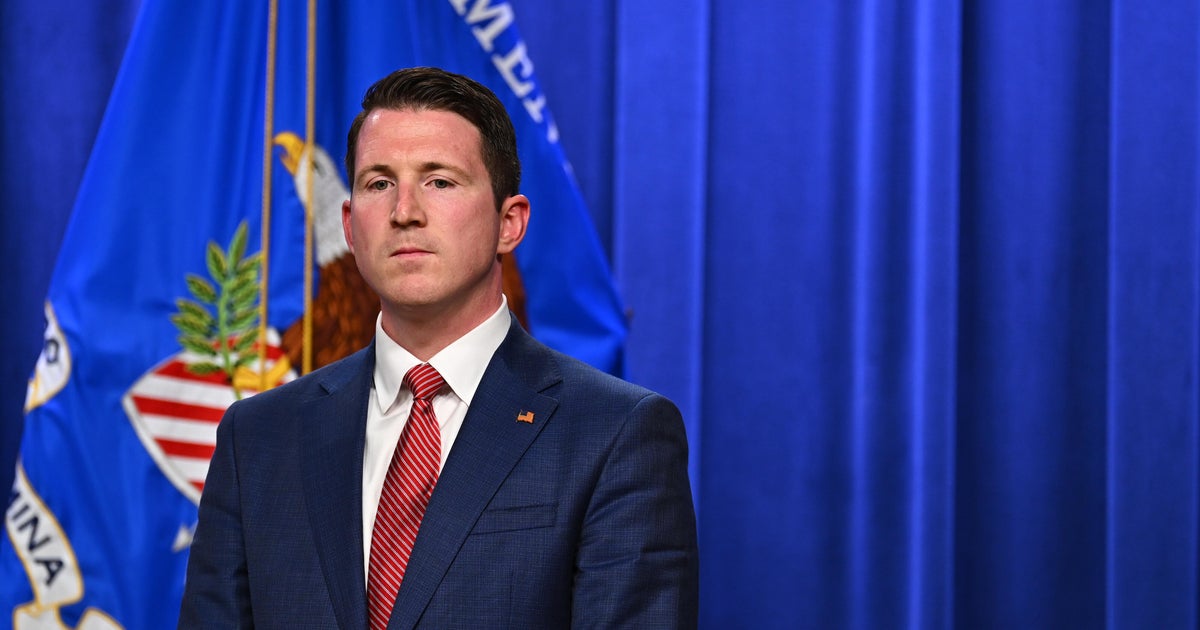
The Justice Department is implementing a significant organizational shift in how it tackles fraud cases nationwide. Colin McDonald, who leads the National Fraud Enforcement Division, has sent out instructions requiring every U.S. attorney’s office across the country to designate one of their prosecutors for a special assignment. These attorneys will work in support of a newly established Washington-based office that was created earlier this year. According to the internal memo that was shared with CBS News, this restructuring aims to create a unified, coordinated approach to fighting fraud in every judicial district throughout the United States. The plan is to leverage local prosecutors’ knowledge and expertise while maintaining centralized oversight from Washington, creating what officials hope will be a more efficient system for handling fraud cases that often span multiple jurisdictions.
How the New System Will Work
Starting July 1st, the prosecutors assigned to this special detail will operate under strict guidelines that represent a significant departure from normal procedures. Each attorney designated for this role cannot take on any new cases or assignments without getting explicit approval from the fraud division leadership in Washington. This means these experienced prosecutors will essentially be working under dual authority—technically still part of their local office but functionally operating as part of the national fraud division’s strategy. The Justice Department’s stated goal is to “execute a nationwide strategy to eliminate fraud in every district” while improving both efficiency and effectiveness. By having local Assistant U.S. Attorneys (AUSAs) handle fraud division cases in their own districts, the department hopes to combine Washington’s strategic direction with local knowledge and relationships. However, this arrangement raises questions about local prosecutorial independence and whether districts will have sufficient resources to handle their regular caseloads while dedicating an attorney to national priorities.
Controversial Grant Program Targets Specific Fraud Cases
The announcement of this staffing change came just one day after the Justice Department unveiled a $300 million grant program aimed at state and local governments. This substantial funding would allow these jurisdictions to hire prosecutors on a temporary basis who would then serve as special assistant U.S. attorneys working within the fraud division. Notably, these temporary hires would have a specific focus: investigating and prosecuting public benefit fraud schemes that allegedly involve people living in the country without legal authorization. This targeted approach has immediately raised concerns among civil rights advocates and immigration attorneys who worry about the potential for discriminatory enforcement and the blending of immigration enforcement with criminal fraud prosecution. The timing and focus of this grant program suggest it aligns closely with broader Trump administration immigration policies, making fraud prosecution a tool in the administration’s immigration enforcement strategy rather than a purely criminal justice initiative focused on protecting government programs from all fraudsters regardless of immigration status.
Resource Challenges Facing the Justice Department
This restructuring comes at a particularly challenging time for the Justice Department, which is grappling with severe staffing shortages across its various offices. U.S. attorney’s offices throughout the country have experienced significant departures of experienced attorneys, and replacing them has proven difficult. The reasons for these staffing challenges are multifaceted, but they’ve left many offices operating below full capacity precisely when demands on their time and resources are increasing. Adding to these pressures, U.S. attorney’s offices have been inundated with habeas corpus petitions—legal filings that challenge the lawfulness of detention—from immigrants who have been caught up in the Trump administration’s expanded detention and deportation operations. Processing these petitions requires substantial attorney time and legal resources. Against this backdrop of stretched-thin staffing, the requirement that each office dedicate a prosecutor to the national fraud division’s priorities has raised practical concerns about whether local offices can adequately serve their communities while also supporting national initiatives.
Political Priorities and Immigration Enforcement
The Trump administration has made investigating fraud in government benefit programs a significant priority, with particular attention to cases in states like Minnesota and California. These investigations appear to be part of a broader strategy that connects fraud prosecution with immigration enforcement goals. Acting Attorney General Todd Blanche explained at a recent news conference that the new fraud division would consolidate various offices within the Justice Department that previously handled different types of fraud cases separately, including health care fraud, tax fraud, benefits fraud, and corporate fraud. By bringing these specialized units under one umbrella, the administration argues it can create a more coordinated and powerful approach to fighting fraud. However, critics worry that this centralization of authority in Washington reduces the independence of local prosecutors to set priorities based on their communities’ specific needs and could transform fraud prosecution into a tool for advancing political objectives rather than simply enforcing the law against those who defraud government programs regardless of their background or immigration status.
Breaking with Post-Watergate Norms
Perhaps most controversially, Acting Attorney General Blanche indicated that this new fraud division would be willing to accept criminal referrals directly from the White House. This statement represents a significant departure from practices that have been in place since the Watergate scandal of the 1970s. After President Nixon’s attempts to use the Justice Department for political purposes led to his resignation, reforms were implemented to create distance between the White House and criminal investigations. The goal was to ensure that decisions about who gets investigated and prosecuted are made based on evidence and law rather than political considerations. By suggesting openness to White House referrals, the administration is signaling a willingness to blur these carefully maintained boundaries. Legal experts and former Justice Department officials have expressed alarm at this development, warning that it could politicize criminal prosecution in ways that undermine public confidence in the justice system. When prosecutors appear to be taking direction from political officials rather than following evidence wherever it leads, it raises fundamental questions about equal justice under law. As this new fraud division begins operations with prosecutors detailed from offices nationwide, these concerns about independence, resources, and political influence will likely continue to generate debate about the proper role of federal prosecutors in American democracy.