

The Search for Nancy Guthrie: Expert Analysis Reveals Clues About an Amateur Suspect
An Unusual Abduction Case Draws National Attention
The disappearance of Nancy Guthrie, mother of beloved “Today” show host Savannah Guthrie, has gripped the nation with concern and uncertainty. Ten days ago, when the Tucson resident failed to appear at church services—something completely out of character for her—alarm bells immediately rang among family and friends. Law enforcement officials now believe that Nancy was abducted from her home during the overnight hours, sparking an intensive investigation that has drawn upon the expertise of federal authorities and experienced investigators. The case has taken on heightened urgency not only because of the victim’s connection to a well-known television personality, but also because of the peculiar nature of the evidence that has emerged, painting a picture of a suspect who appears both determined and surprisingly inexperienced in criminal activity.
Expert Analysis Points to an Inexperienced Perpetrator
Lance Leising, a retired supervisory special agent with the FBI, has been studying the surveillance footage and images released by authorities, and his assessment offers both concerning and potentially hopeful insights. Speaking on “CBS Mornings” this Wednesday, Leising emphasized that while the suspect clearly doesn’t appear to be a seasoned criminal, they nonetheless possess the disturbing mindset necessary to commit such a serious crime. “However, they have to have a criminal mindset in order to commit a heinous crime like this,” Leising explained, highlighting the troubling reality that even amateur criminals can pose significant dangers. The distinction between professional and amateur criminals matters significantly in investigations like this one, as it can help narrow down suspect profiles and predict potential mistakes that might lead to breakthroughs in the case.
Surveillance Footage Reveals Critical Details and Mistakes
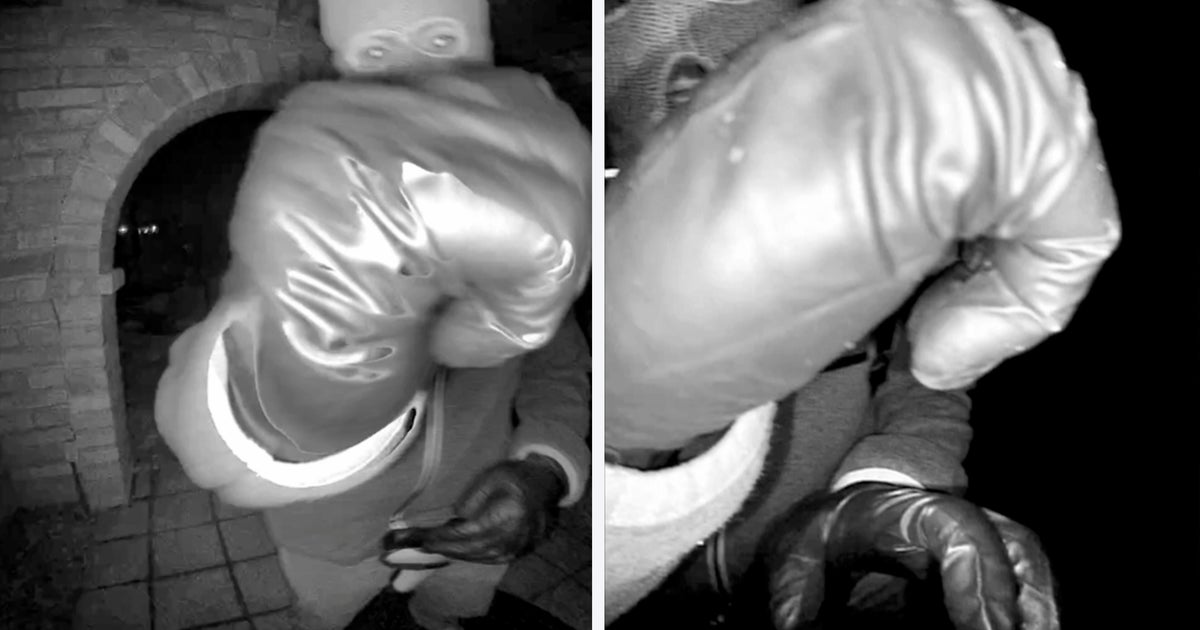
The surveillance video and still images released by the FBI on Tuesday have become the centerpiece of the investigation, offering crucial glimpses into the suspect’s behavior and potential identity. The footage shows a masked individual outside Nancy Guthrie’s home on the night she disappeared, dressed in what appears to be deliberately concealing clothing and equipment. The person is wearing gloves and a backpack, and appears to be carrying what investigators believe could be a weapon. However, it’s the suspect’s actions—or more precisely, their missteps—that have drawn the most attention from experienced investigators. Leising described the person’s behavior as “extremely amateurish,” pointing out several critical errors that a more experienced criminal would likely have avoided. These mistakes, while troubling evidence of the crime itself, may ultimately provide investigators with the leads they need to identify and apprehend the suspect.
A Series of Telling Errors Captured on Camera
The details Leising highlighted from the surveillance footage paint a picture of someone who hadn’t fully thought through their actions. Perhaps most telling is the observation that in some frames, the suspect isn’t even wearing the backpack or carrying the apparent weapon. This suggested to Leising that “he approached that door and turned around and got the backpack and got the weapon and then came back”—a rookie mistake that demonstrates poor planning and execution. Additionally, the way the suspect held the apparent weapon struck Leising as unusual and unprofessional, lacking the familiarity that would be expected from someone with experience handling such items. The suspect’s approach to the door also revealed critical mistakes—their head was tilted downward as if anticipating a surveillance camera above, yet they seemed genuinely surprised by the presence of a doorbell camera, something any criminal who had properly surveilled the property would have known about beforehand. In what can only be described as a bizarre and irrational move, the suspect then grabbed a bush or weed from the front yard and attempted to use it to obscure the doorbell camera—a futile gesture that further underscores their lack of criminal sophistication.
Physical Evidence and Behavioral Clues Provide Hope
Beyond the suspect’s tactical errors, investigators are also focusing on physical details captured in the footage that could prove invaluable to the investigation. Leising noted that the gloves the suspect was wearing appeared “oversized, maybe multiple layers,” which would have made it significantly difficult to effectively use whatever weapon they were carrying. This observation adds another layer to the amateur profile—a professional criminal would understand the need to balance concealment with functionality, whereas this suspect seems to have prioritized hiding their identity to such an extent that it hindered their ability to act effectively. Jason Pack, another retired FBI special agent who has analyzed the footage, pointed out additional valuable details including the suspect’s gait and the apparent location of the weapon. Pack noted that the suspect “doesn’t appear to be moving very quickly,” and explained that “all of those things will tell profilers certain things that they’re gonna look for and kind of narrow that timeline down.” These behavioral and physical characteristics can help create a more complete profile of the suspect and potentially match them to individuals already known to law enforcement or connected to Nancy Guthrie in some way.
Investigation Continues with Detention and Public Appeals
The investigation took a significant turn on Tuesday when authorities detained a person during a traffic stop in connection with the Guthrie case. A man identifying himself only as Carlos later spoke to reporters, asserting his innocence and claiming “I didn’t do anything.” Law enforcement has not officially confirmed whether Carlos was indeed the person they detained, maintaining the confidentiality typical of ongoing investigations. Leising offered perspective on this development, explaining that detentions don’t necessarily mean authorities have found their primary suspect—often investigators will bring people in for questioning who may have peripheral information that could prove crucial to solving the case. “A lot of times you’re going to detain people, bring them in for questioning and they may not be the suspect but they might have a piece, and hopefully the investigators got that piece,” he explained. As the investigation continues, the amateur nature of the suspect’s actions as revealed in the surveillance footage provides investigators with genuine hope that other mistakes were made—mistakes that will ultimately lead to Nancy Guthrie’s safe return and the apprehension of whoever is responsible for this frightening crime. The coming days will be critical as law enforcement works to follow every lead and piece together the full picture of what happened that night in Tucson.