


How the Iran Conflict is Reshaping America’s Job Market
Major Companies Hit the Pause Button on Hiring
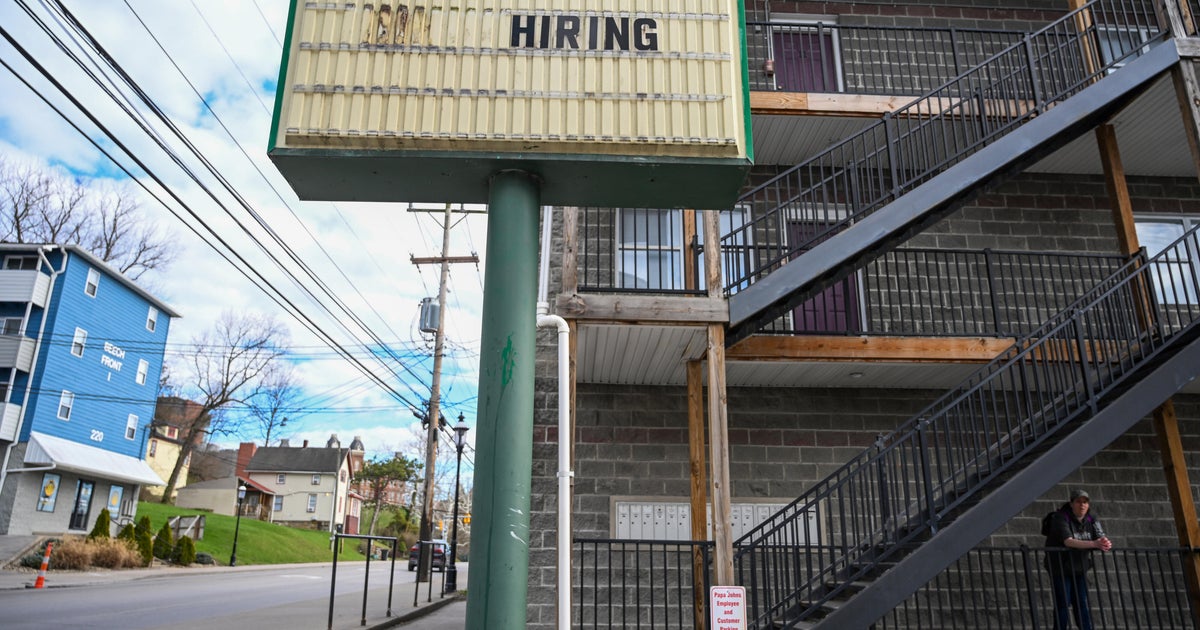
The ripple effects of the Iran conflict are reaching far beyond the Middle East, touching down in American offices and factories in ways that are starting to worry economists and workers alike. Consumer products giant Unilever, the company behind household names like Dove soap and Vaseline, has become one of the first major corporations to publicly acknowledge the impact, announcing a three-month hiring freeze that’s sending signals about what other companies might do next. In an internal memo that found its way to the press, a Unilever executive didn’t mince words, pointing directly to the “macroeconomic and geopolitical realities, especially in the Middle East conflict” as the driving force behind their decision to stop bringing new people on board. This isn’t just corporate speak—it’s a real sign that the uncertainty surrounding the war is making business leaders nervous enough to stop expanding their workforce, even if it means putting growth plans on hold.
What makes this particularly concerning is the timing. The American job market was already showing signs of fatigue before the first shots were fired in this latest Middle Eastern conflict. February’s Job Openings and Labor Turnover Survey painted a picture of a labor market that had cooled to its chilliest point since 2020, when the pandemic was turning everyone’s world upside down. The numbers were even more sobering than many expected: American employers actually cut 92,000 jobs in February, a sharp reversal that caught many analysts off guard. For the past year, job growth had been limping along rather than sprinting, as businesses grappled with the ongoing uncertainty around tariffs and tried to figure out what their costs would look like from one month to the next. As Matthew Martin, a senior economist at Oxford Economics, explained to reporters, we’re living through another period where companies simply aren’t sure what their policy environment or cost structure is going to be, which naturally leads them to pump the brakes on hiring decisions. After all, bringing on new employees represents a significant commitment, and when the future looks foggy, that’s a commitment many businesses are reluctant to make.
The Numbers Game: What March’s Jobs Report Might Reveal
When the March jobs report drops on April 3rd at 8:30 in the morning Eastern Time, millions of Americans will be watching to see just how bad—or perhaps not so bad—things really are. The economists who spend their days crunching numbers and trying to predict these things are forecasting that employers probably added around 60,000 jobs last month, which would represent a rebound from February’s losses but still a pretty modest gain by historical standards. Heather Long, who serves as chief economist at Navy Federal Credit Union, offered some perspective on what we’re likely to see, noting that any gains will probably come largely from the healthcare sector, which has been remarkably resilient throughout various economic ups and downs. But here’s the catch: this report will almost certainly be too early to capture the full impact of what’s happening in Iran. Wars don’t instantly translate into economic data—there’s a lag time as businesses assess the situation, make decisions, and those decisions work their way through the system and into the official statistics that economists pore over.
The reality is that we’re looking at fresh headwinds hitting businesses and consumers from multiple directions at once. Transportation costs are climbing as fuel prices surge, which means companies are paying more to move their goods from factories to warehouses to stores. At the same time, regular Americans are watching the numbers tick higher every time they fill up their gas tanks, leaving less money in their wallets for everything else. Airlines have already started hiking their fares to offset higher jet fuel costs, and food economists are warning that grocery bills could inch upward too, thanks to the conflict’s impact on fertilizer supplies—a connection that might not be obvious at first but makes sense when you consider how much modern agriculture depends on chemical fertilizers, many of which come from or transit through regions now affected by the conflict.
The Domino Effect: From Oil Prices to Empty Desks
The connection between what’s happening in the Middle East and whether someone in Iowa or Oregon gets a job offer might seem distant, but it’s actually pretty direct. When companies like Unilever look at their spreadsheets and see higher production and distribution costs staring back at them, they start looking for places to cut or at least not spend more money. Hiring new people is one of the easiest expenses to postpone—you can’t undo rent on a warehouse or cancel a shipment of raw materials you’ve already ordered, but you can absolutely tell your HR department to stop scheduling interviews for a few months. Matthew Martin from Oxford Economics points out that companies are essentially looking for ways to reduce their overall spending as they cope with these higher energy prices, all while having absolutely no idea how long this conflict might drag on. That uncertainty is its own form of cost, because it makes planning nearly impossible.
The economic mechanics here get even more complicated when you zoom out to the bigger picture. Yelena Shulyatyeva, a senior economist at The Conference Board, explains that if oil prices keep climbing—particularly if Brent crude hits around $140 per barrel, up from its current level of roughly $102—we could be looking at the U.S. economy tipping into an actual recession. And recessions, of course, are terrible for the job market. The formula is straightforward but brutal: soaring energy prices can put the brakes on economic growth, slower growth means companies don’t need as many workers, and suddenly you’ve got a labor market where people are competing for fewer and fewer positions. What we’re seeing now is what Shulyatyeva calls “low-churn conditions,” where workers aren’t moving around much between jobs and companies aren’t hiring aggressively. The Iran conflict is likely to make this situation worse simply by adding another layer of uncertainty to an environment where business leaders are already feeling cautious about making big moves.
Unemployment on the Rise: Who Gets Hit Hardest?
The analysts at Goldman Sachs have crunched the numbers and come up with a projection that should concern anyone who cares about American workers: they expect the unemployment rate to climb by about 0.2 percentage points, reaching 4.6% by the end of September. That might not sound like a massive jump, but when you’re talking about the entire U.S. workforce, even small percentage-point changes represent hundreds of thousands of people. Higher oil prices have a well-documented historical tendency to reduce job growth and push unemployment upward, and this time probably won’t be any different. But not all industries are equally vulnerable—some sectors will feel the pain more acutely than others. The Goldman Sachs team specifically pointed to arts and entertainment along with accommodation and food services as the industries most likely to scale back their hiring plans or even cut existing positions.
Why those sectors in particular? It comes down to how Americans adjust their spending when money gets tighter. When gasoline prices spike, people find themselves dedicating a bigger chunk of their paycheck just to filling up their tanks and heating their homes, which inevitably means they have less money available for everything else. Economists call this the “wallet squeeze,” and it forces regular folks to make tough choices about what they can and can’t afford. As Martin explains, people start categorizing their expenses into essentials and non-essentials, and unfortunately for certain industries, things like going to concerts, taking vacations, or splurging on luxury items fall squarely into the non-essential category. When families sit down to look at their budgets and realize they need to cut back somewhere, discretionary spending on travel and entertainment often gets sacrificed first. Some consumers might go further, not just cutting back on fun stuff but actually building up their savings as a financial buffer against an uncertain future, which means even less money flowing through the economy.
Looking Ahead: A Job Market in Transition
What we’re witnessing is a labor market at a crossroads, facing pressures from multiple directions simultaneously. The conflict in Iran represents just the latest challenge in what’s been a difficult period for American workers and employers alike. Even before this crisis erupted, hiring had slowed, job openings had declined, and uncertainty was the word of the day in corporate boardrooms across the country. Now, with energy prices volatile, transportation costs climbing, and geopolitical tensions adding yet another layer of unpredictability, companies are responding in the most natural way: by playing it safe, which unfortunately means holding off on expanding their workforce. For job seekers, this translates into a tougher market where opportunities are scarcer and competition is fiercer. For people already employed, it might mean fewer chances for advancement or switching to better positions, since companies aren’t hiring aggressively. The Unilever hiring freeze might be just the beginning, a preview of what other major employers might announce in the coming weeks and months as they assess the economic landscape and decide it’s better to wait and see rather than commit to expanding their headcount. The American job market has proven resilient through various challenges over the years, but this combination of factors—geopolitical conflict, energy price shocks, and pre-existing economic uncertainty—represents a test that will determine whether the modest recovery we’ve seen can continue or whether we’re headed for rockier times ahead.