


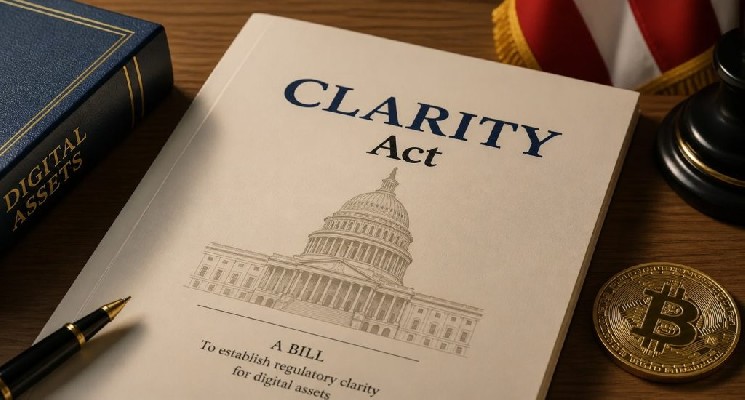

The Future of Cryptocurrency Regulation: Why the Industry Will Thrive With or Without the CLARITY Act
Understanding the Current Regulatory Landscape
The cryptocurrency industry stands at a pivotal crossroads as lawmakers and regulators debate the future of digital asset oversight in the United States. At the center of this discussion is the CLARITY Act, a proposed piece of legislation designed to establish clear guidelines and regulations for the cryptocurrency market. However, according to industry experts, the long-term health and growth of the cryptocurrency sector doesn’t hinge entirely on whether this specific legislation becomes law. Chris Perkins, the Chief Executive Officer of 250 Digital Asset Management, has offered a reassuring perspective for those concerned about the industry’s future, stating that even without congressional approval of the proposed market structure regulation, the crypto sector’s long-term development “will not be a problem.” This optimistic outlook comes at a time when the industry has been navigating through uncertain regulatory waters, seeking the clarity and legitimacy that formal regulations could provide while simultaneously continuing to innovate and expand despite the ambiguity.
The Transformative Work Already Underway
What gives Perkins and other industry leaders confidence about the sector’s future isn’t just optimism—it’s the tangible progress already being made behind the scenes. A significant transformation is currently taking place on the regulatory front, driven by key regulatory bodies that have undergone leadership changes. The US Securities and Exchange Commission, now under the leadership of Paul Atkins, and the Commodity Futures Trading Commission, headed by Michael Selig, are actively collaborating to develop a comprehensive regulatory framework specifically tailored for crypto assets. This represents a fundamental shift from previous approaches and demonstrates a commitment from regulatory authorities to provide the industry with what it has desperately needed: certainty, stability, and a clear classification system. These regulatory bodies are working not to stifle innovation but to create an environment where legitimate projects can flourish while protecting investors from fraud and manipulation. The process underway suggests that regardless of whether the CLARITY Act passes through Congress, the essential work of establishing regulatory guidelines is progressing through administrative channels and regulatory evolution.
The Gary Gensler Era and Its Impact on the Industry
To fully appreciate the current moment, it’s important to understand the regulatory climate that preceded it. During the tenure of former SEC Chairman Gary Gensler, the cryptocurrency industry faced what many considered an existential threat. Perkins described the classification of crypto projects as “securities” during this period as essentially a “death sentence” for many initiatives. Gensler’s approach was characterized by enforcement actions rather than clear rulemaking, leaving many projects in a state of legal limbo and uncertainty. Companies were forced to navigate an environment where the rules seemed to shift unpredictably, and where launching a new project could potentially result in severe legal consequences. This regulatory-by-enforcement approach created a chilling effect on innovation and drove some companies to establish operations outside the United States, taking jobs, tax revenue, and technological leadership with them. The contrast between that era and the current regulatory environment couldn’t be more stark. Market participants have noted a significant shift in how security tokens are perceived and treated, reflecting a more nuanced understanding of the technology and its various applications within the regulatory community.
The Evolution of Security Token Perception
One of the most significant developments in the cryptocurrency regulatory landscape has been the changing perception of security tokens. What was once viewed through an exclusively punitive lens is now being reconsidered with greater sophistication and understanding. Perkins emphasized that market perception of security tokens has undergone a dramatic transformation. Rather than being viewed as regulatory violations waiting to happen, there’s growing recognition that properly structured security tokens could serve legitimate purposes within a well-regulated framework. This shift represents maturation in both the industry and regulatory thinking. Regulators are beginning to distinguish between different types of digital assets—those that function as currencies, those that represent utilities within specific networks, and those that genuinely function as investment securities. This more nuanced approach opens possibilities for innovation while still maintaining investor protection. The evolution in thinking also reflects the reality that blockchain technology and tokenization aren’t going away; they’re becoming increasingly integrated into traditional financial systems. Forward-thinking regulators recognize that America’s competitive position in financial technology depends on creating smart regulations that enable innovation rather than simply prohibiting it.
Why the CLARITY Act Still Matters
Despite the positive developments occurring through regulatory channels, Perkins and other industry advocates still view the passage of the CLARITY Act as tremendously important. The reason is straightforward: legislation provides durability that regulatory guidance alone cannot match. Perkins noted that “once a law is in effect, it’s much harder to reverse,” highlighting the permanence and stability that congressional action would bring to the regulatory framework. Regulatory guidance can change with new leadership appointments, as the industry experienced during the transition from the previous SEC administration to the current one. Laws passed by Congress, however, establish a foundation that transcends individual administrations and provides long-term certainty for businesses planning multi-year development cycles and investments. The CLARITY Act would codify the regulatory framework into federal law, making it significantly more difficult for future regulatory leaders to dramatically shift course. This legislative certainty would encourage greater institutional investment, make it easier for traditional financial institutions to enter the space, and provide entrepreneurs with the confidence needed to build businesses in the United States rather than seeking more hospitable regulatory environments abroad. The bill would essentially cement the progress being made administratively and protect it from potential reversal.
Growing Optimism and Timeline Expectations
Market sentiment regarding the passage of the CLARITY Act has become increasingly optimistic in recent months. Faryar Shirzad, a respected voice in financial regulation, has publicly stated that the time has come for the CLARITY amendment to be finalized, reflecting a growing consensus that the status quo is unsustainable and that clear legislation is overdue. Even more specifically, US Senator Bernie Moreno has predicted that the bill could be concluded by the end of May, giving a concrete timeline to industry participants and investors who have been waiting for regulatory clarity. This optimism isn’t unfounded—it reflects real momentum in Congress, where cryptocurrency and blockchain technology have increasingly become bipartisan issues. Lawmakers from both parties have recognized that the United States risks falling behind other countries that have moved more quickly to establish clear regulatory frameworks for digital assets. The combination of industry pressure, international competition, and a more favorable regulatory environment has created conditions where passage of comprehensive cryptocurrency legislation seems more likely than at any previous point. However, it’s important to note that legislative processes can be unpredictable, and timelines can shift based on numerous political factors. Regardless of the specific timing, the direction of travel seems clear: toward greater regulatory clarity and a more structured approach to cryptocurrency oversight.
This article is provided for informational purposes only and should not be construed as investment advice. Readers should conduct their own research and consult with qualified financial advisors before making any investment decisions related to cryptocurrencies or other digital assets.