
White House Economic Director Discusses Iran Standoff and Economic Concerns
Ongoing Tensions with Iran and Market Uncertainty
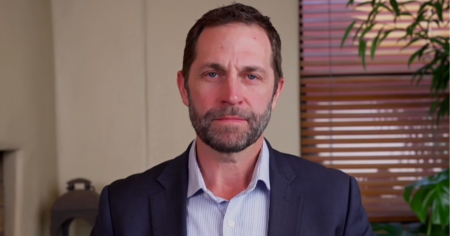
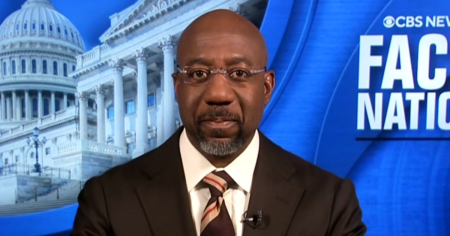
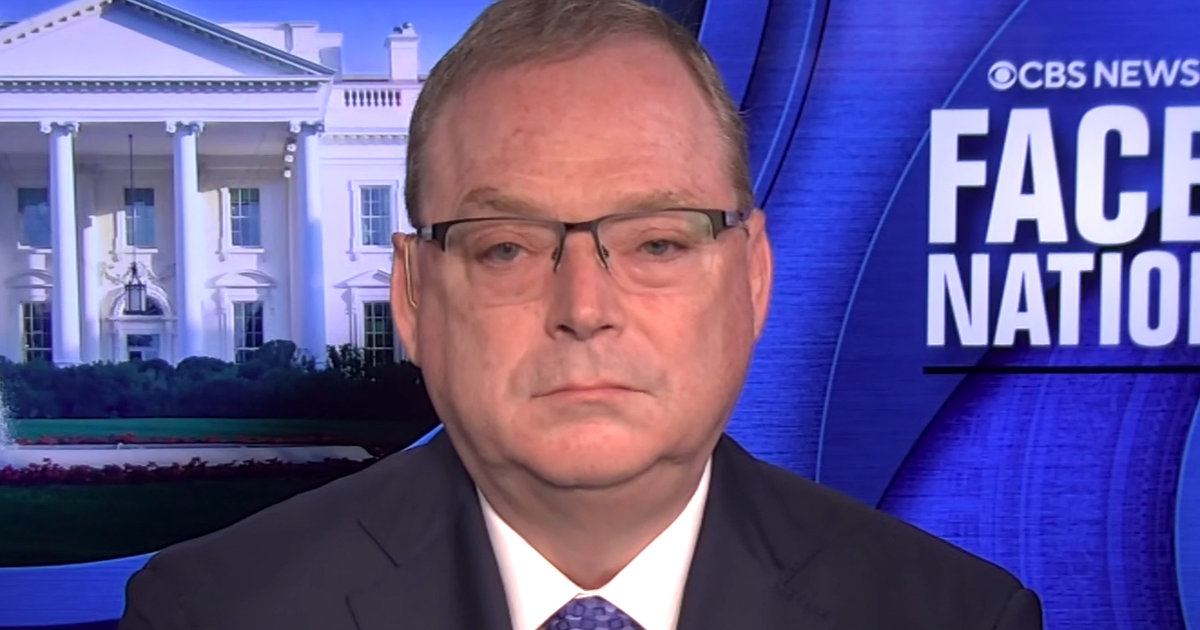
In a revealing interview on “Face the Nation,” White House National Economic Council Director Kevin Hassett addressed growing concerns about the prolonged standoff with Iran and its rippling effects on the American economy. Speaking from Los Angeles, Hassett attempted to clarify the administration’s position after President Trump sent mixed signals to Congress—simultaneously announcing a ceasefire extension and the termination of hostilities, while warning that Iran remains a significant threat. The confusion deepened when the President tweeted overnight that Iran “has not yet paid a big enough price for what they’ve done to humanity.” When pressed by host Margaret Brennan about what message this sends to markets craving stability, Hassett defended the administration’s approach, insisting that the economic blockade against Iran is working effectively. He painted a picture of an Iranian economy teetering on the edge of collapse, suffering from hyperinflation and food shortages, while acknowledging the humanitarian crisis unfolding as even aid ships avoid Iranian ports due to fears of mines in the waterways.
The War That Isn’t Called a War
One of the most uncomfortable moments in the interview came when Brennan pointedly asked whether the United States is currently at war with Iran. Hassett notably struggled to provide a clear answer, despite acknowledging that the naval blockade—which is internationally recognized as an act of war—remains in full effect. “I don’t know what the definition of war is when we’re not shooting and we’re negotiating and they’re under a lot of pressure,” Hassett responded somewhat defensively. He attempted to shift blame by noting that Iran had first shut down the Strait of Hormuz to all but Iranian vessels, prompting President Trump’s response. The director emphasized that the regime has devastated Iran’s economy over decades, comparing the country’s current per capita GDP to Honduras rather than to Japan and Italy, where it stood before the 1979 revolution. However, this historical context did little to address the immediate concern: Americans are now entering the tenth week of a conflict that was originally promised to last only four to six weeks, with gas prices climbing to a national average of $4.45 per gallon and no clear end in sight.
Economic Pain at the Pump and Administration Response
The interview took a harder turn when Brennan confronted Hassett with sobering economic analysis from major financial institutions. Bank of America reported that the gas price spike has cost American consumers $19 billion, nearly wiping out half of the increased tax refunds many families were counting on. Goldman Sachs echoed this assessment, warning that the energy price drag would offset the benefits of the administration’s celebrated tax bill. Hassett rejected these analyses outright, pointing instead to the tax relief measures the administration has implemented. He highlighted that 153 million people have already filed their taxes with an average refund of $3,600, and that 53 million people have benefited from eliminating taxes on tips, overtime pay, and Social Security income. According to his calculations, these exemptions save people between $5,000 and $8,000 annually. The director also emphasized that despite temporary energy price increases, real incomes (adjusted for inflation) are growing under the current administration, contrasting this with what he described as shrinking real incomes during the Obama and Biden years. However, his optimistic spin did little to address the immediate financial pressure families feel when filling their gas tanks or paying heating bills.
Spirit Airlines Collapse Signals Broader Concerns
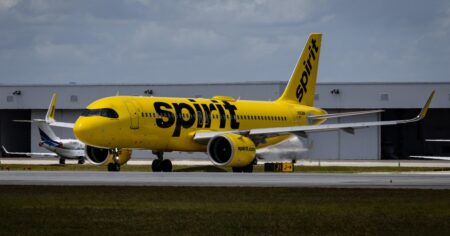
The conversation shifted to more immediate economic casualties when Brennan raised the sudden collapse of Spirit Airlines, which had ceased all operations despite the White House’s attempts at an 11th-hour rescue. Hassett revealed he was deeply involved in efforts to save the carrier, acknowledging that when officials examined Spirit’s books, they found a company “on the ropes” with creditors preparing to liquidate assets. He explained that various legal authorities were explored to provide a lifeline, but ultimately, White House lawyers determined those authorities didn’t apply to Spirit’s situation. In the meantime, the administration worked with other major carriers—American, United, and Southwest—to help stranded Spirit passengers get home at reduced fares. When Brennan pressed him on Spirit’s own statement blaming “the sudden and sustained rise in fuel prices in recent weeks” for leaving them with no alternative but to shut down, Hassett was quick to deflect responsibility. He repeatedly emphasized Spirit’s history of financial troubles, including two previous Chapter 11 bankruptcies, suggesting the company’s business model was fundamentally flawed regardless of current fuel costs.
Is This Just the Beginning of Industry Failures?
Perhaps the most critical question Brennan posed was whether other industries or major companies face similar collapse risks due to the energy shock caused by the Iran standoff. Hassett maintained that other airlines remain healthy because, unlike Spirit’s management, they “thought ahead” and hedged their jet fuel purchases to protect against short-term price spikes. He acknowledged that airline profits might take a hit for a quarter or two but insisted the industry overall remains “very, very healthy.” This reassurance, however, rang somewhat hollow given that a major carrier had just completely ceased operations. The director’s emphasis on Spirit’s pre-existing financial weaknesses, while technically accurate, seemed designed to minimize concerns that the energy crisis might claim additional victims across various sectors of the economy. His confident assertion that other companies are better prepared offered little comfort to workers in energy-intensive industries or consumers watching prices climb across the board. The unspoken question remained: if a company that had successfully restructured its debt just two months earlier could be brought down by sustained fuel price increases, what might happen to other businesses operating on thin margins?
The Disconnect Between Official Optimism and Economic Reality
What emerged most clearly from this interview was a significant disconnect between the administration’s official optimism and the economic anxiety many Americans are experiencing. Hassett’s talking points about tax refunds, eliminated taxes on tips and overtime, and rising real incomes represent genuine policy achievements that do provide relief to millions of families. However, these benefits are increasingly being consumed by surging energy costs that touch nearly every aspect of daily life—not just gasoline, but home heating, groceries (due to transportation costs), and countless other goods and services. The White House finds itself in a difficult position: it wants credit for tax relief and economic growth, but it’s simultaneously asking Americans to accept “temporary” pain at the pump with no clear timeline for when the Iran situation will be resolved. The collapse of Spirit Airlines, regardless of its pre-existing vulnerabilities, serves as a tangible reminder that prolonged energy shocks have real consequences beyond abstract economic statistics. As the standoff with Iran enters its third month with gas prices showing no signs of retreating, the administration’s challenge will be maintaining public confidence that their strategy will ultimately succeed without inflicting lasting damage on an economy that, by most other measures, appears to be performing reasonably well. Whether Americans will maintain patience as this approach continues to unfold remains one of the most significant political and economic questions facing the country.