


The Global Tourism Boom: When Dream Vacations Become Overwhelming Realities
The Seductive Allure of Modern Travel and Its Hidden Costs
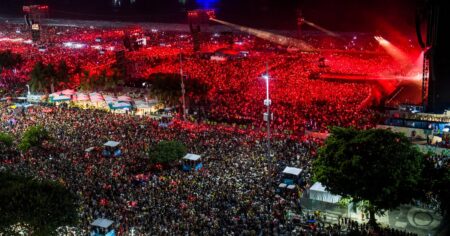
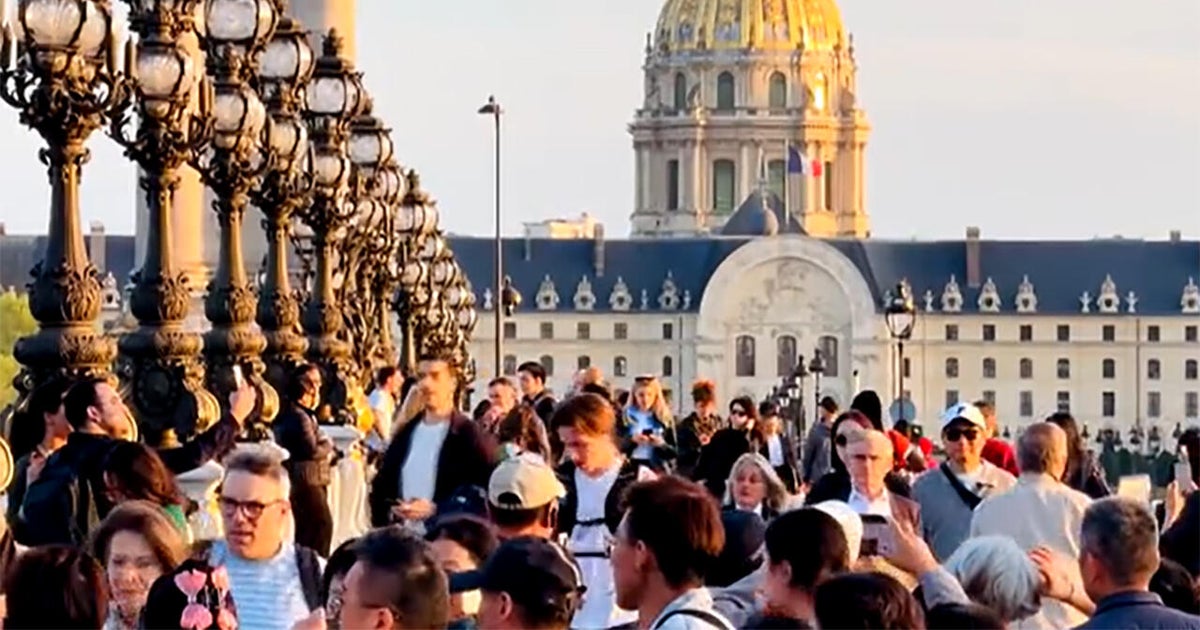
We live in an age where wanderlust is perpetually stoked by a relentless stream of carefully curated imagery. Hotels showcase their pristine pools at golden hour, airlines promise exotic destinations at bargain prices, social media influencers stage picture-perfect moments at iconic landmarks, and cruise companies dangle the promise of effortless adventure. Even our own friends inadvertently become travel marketers, posting envy-inducing vacation snapshots that make us itch to book our next getaway. This constant bombardment of idealized travel experiences has fundamentally transformed how we think about exploring the world. But what these glossy images rarely show are the crushing crowds, the endless queues snaking around famous monuments, and the growing frustration that has become an unavoidable part of modern tourism. Even more troubling is what’s happening to the communities that call these popular destinations home—neighborhoods that once served local residents are being transformed into tourist playgrounds, creating tension that sometimes erupts into outright protest.
Paris-based journalist Paige McClanahan, who has dedicated her career to covering travel and tourism, points to Barcelona as a prime example of where this tension has reached a breaking point. When neighborhoods begin prioritizing tourist needs over those of their permanent residents, problems inevitably emerge. The economic power of tourism cannot be understated—it represents a staggering 10% of the global economy and employs roughly one in every ten workers worldwide. In her book “The New Tourist,” McClanahan traces the evolution of mass tourism from its modest beginnings to today’s overwhelming surge. The statistics tell a remarkable story: in 1950, there were merely 25 million tourist arrivals globally. Today, that number has exploded to over 1.5 billion—a sixty-fold increase that has fundamentally reshaped cities, cultures, and communities around the world. This exponential growth, fueled by the democratization of travel through guidebooks, budget airlines, and most recently social media, has created challenges that few destinations were prepared to handle.
When Cultural Icons Become Overwhelmed: The Louvre’s Breaking Point
The Louvre Museum in Paris stands as perhaps the perfect symbol of tourism’s double-edged sword. As the world’s most-visited museum, it occupies a special place on countless travelers’ bucket lists—an iconic destination that represents humanity’s greatest artistic achievements housed in a historic palace. Yet this very popularity has become its burden. In June 2025, the situation reached a critical threshold when museum employees went on strike, citing the institution’s inability to adequately manage the overwhelming crowds that surge through its galleries daily. The scene at the Mona Lisa—arguably the museum’s most famous artwork—has become almost comical in its chaos, with visitors jostling for position, phones held aloft, trying to capture a photograph of a painting they can barely glimpse through the throng of fellow tourists.
McClanahan suggests that tourism is experiencing a crucial “coming-of-age moment.” Destinations worldwide are awakening to the realization that tourism isn’t simply an economic windfall that requires no management—it needs thoughtful regulation, appropriate taxation, strategic urban planning, and substantial physical infrastructure to function sustainably. Simultaneously, travelers themselves are beginning to recognize their role in this equation, becoming more aware of the impact their presence has on the places they visit. When asked whether social media has been beneficial or detrimental to travel, McClanahan’s answer is telling: “Yes!”—meaning emphatically yes to both. Social media has democratized travel information and inspiration, allowing people to discover hidden gems and plan adventures that would have been difficult to arrange in pre-internet days. But it has also created flashpoint destinations where crowds congregate en masse, often overwhelming locations that were never designed to handle such traffic.
The examples of social media’s outsize influence are both fascinating and troubling. In Iceland, a remote canyon had to be closed to visitors after appearing in a Justin Bieber music video—the resulting flood of fans seeking to recreate scenes from the video proved unsustainable for the fragile environment. In Italy’s Dolomites, a frustrated farmer took matters into his own hands, installing a turnstile and charging admission to reach particularly Instagrammable viewpoints on his property, essentially monetizing the burden that influencer culture had placed on his land. These incidents highlight how a single viral moment can transform a peaceful location into an overcrowded attraction overnight, with little regard for the carrying capacity of the environment or the impact on local communities.
Venice: A Fragile City Drowning in Visitors
If any city epitomizes the crisis of overtourism, it’s Venice—the floating masterpiece of Renaissance engineering that draws approximately 30 million visitors annually to a city with a resident population of just 50,000. That’s a staggering ratio of 600 tourists for every local resident, a disproportion that has fundamentally altered the character of this UNESCO World Heritage treasure. The sheer weight of tourism—both literal and figurative—threatens the city’s delicate infrastructure and has driven out locals who can no longer afford to live in neighborhoods dominated by short-term vacation rentals and tourist-oriented businesses. In 2024, Venetian authorities implemented a fee for day-trippers, charging between 5 and 10 euros during peak times. This modest toll represents an attempt to manage the crush of visitors who flood in, snap their photos at iconic bridges and piazzas, and leave without contributing significantly to the local economy through overnight stays or sustained spending.
The city has also attempted to ban the massive cruise ships that dwarf Venice’s historic buildings as they glide through its waters, disgorging thousands of passengers for brief visits before departing. Yet despite these efforts, the tourists continue to arrive in overwhelming numbers. On Italy’s opposite coast, the picturesque village of Portofino has taken a different approach, implementing rules that manage tourist behavior rather than numbers. Police Commander Chiarello Giuseppina found herself with new duties when Portofino banned alcohol consumption and sitting on the ground in main streets and squares. During peak times, visitors are also prohibited from going barefoot or shirtless in the village center, with violations subject to fines of up to 500 euros. Giuseppina reports that compliance has been good—when she explains that while they’re near the sea, they’re also in a famous historic center where respectful behavior is expected, most visitors understand and appreciate the effort to maintain the town’s dignity and charm.
Across Europe, countries are experimenting with various regulatory approaches to manage tourism’s impact. Spain has begun removing tens of thousands of illegal Airbnb listings that were converting residential housing into de facto hotels, hollowing out neighborhoods and pricing out locals. The country has also introduced progressive taxes that decrease over time, incentivizing longer stays that contribute more meaningfully to local economies rather than hit-and-run day visits. McClanahan points to Amsterdam as an interesting case study, noting that while tourism taxes aren’t the most exciting policy tool, they can be effective. Amsterdam has implemented what is currently Europe’s highest tourist tax at 12.5%, using the revenue to manage tourism’s impacts while potentially discouraging some visitors through increased costs.
Amsterdam’s Reckoning: When Success Becomes a Problem
Amsterdam, often called the “Venice of the North” for its picturesque canals, faces challenges remarkably similar to its Italian counterpart. With a resident population of fewer than one million people, the city welcomed a record 23 million tourists in 2024—roughly 23 visitors for every local resident. This overwhelming disproportion has fundamentally changed the character of many neighborhoods, particularly the city’s famous red-light district. Anouschka Trauschke, who previously managed what she describes as a “typical” tour company, experienced a growing inner conflict about her role. While she felt like an ambassador for the city she loved, she increasingly recognized that she was contributing to a problem that was degrading the quality of life for Amsterdam’s residents.
Trauschke’s response was to found Tours That Matter, a company that designs alternative tourism experiences, often directing visitors away from overtaxed areas to less-trafficked neighborhoods. One of her tours takes visitors on the ferry to North Amsterdam, where a former shipyard offers industrial heritage and authentic local culture without the crushing crowds. When asked whether such efforts are merely a drop in the bucket given Amsterdam’s 23 million annual visitors, Trauschke argues that Tours That Matter is part of a pioneer movement that’s asking the larger tourism industry to transition toward more sustainable models. While her company alone cannot solve Amsterdam’s overtourism crisis, it demonstrates that alternative approaches are both possible and appealing to at least some travelers.
Edwin Scholvinck has lived in Amsterdam’s red-light district for 33 years, watching his neighborhood transform from a community where people lived and worked into what feels like an adult theme park. His friends no longer visit him at home—the crowds are simply too overwhelming. Recently, however, he’s noticed some improvement. Guided tours are no longer permitted in the residential areas of the district, and bars must close earlier, reducing late-night noise. Scholvinck has joined a community campaign called “We Live Here,” which aims to remind visitors that the red-light district isn’t just a party destination but also home to real people trying to live normal lives. Economist Jasper van Dijk, while appreciating these efforts, argues they don’t go far enough. He’s part of a group attempting to sue the city for failing to adhere to an agreed-upon cap of 20 million tourists. While acknowledging that Amsterdam has implemented measures and is among Europe’s leaders in addressing overtourism, van Dijk believes the actions are “quite a little too late” and that higher tourist taxes could more effectively reduce visitor numbers.
The Irony of Marketing Success and Institutional Silence
The situation in Amsterdam is particularly ironic given the city’s own role in creating its overtourism problem. A decade ago, the city’s tourism marketing campaign—complete with the ubiquitous “I amsterdam” sign that became a mandatory photo opportunity—was wildly successful in attracting visitors. So successful, in fact, that the city later launched a counter-campaign specifically designed to discourage rowdy tourists from visiting. When asked to discuss their current tourism management strategies, Amsterdam’s leadership went silent. The city’s Mayor, Deputy Mayor responsible for tourism, and even the marketing agency working with the municipality all declined interview requests, suggesting either a lack of cohesive strategy or an unwillingness to publicly discuss a politically sensitive topic. This institutional silence is itself revealing—it suggests that cities may be struggling to balance the economic benefits of tourism against the quality-of-life concerns of their residents, without wanting to alienate either group.
McClanahan observes that in too many cases, destinations must reach a breaking point before they recognize the need for significant investment in tourism management. The pattern is depressingly familiar: a city markets itself aggressively, tourism grows beyond sustainable levels, residents revolt, and only then do authorities implement measures that perhaps should have been in place from the beginning. The challenge is that solutions must be tailored to each community’s specific circumstances—what works in Amsterdam may not work in Venice, and Barcelona’s needs differ from those of a canyon in Iceland. There’s no one-size-fits-all approach to managing tourism sustainably.
Our Collective Responsibility as Travelers
Ultimately, McClanahan argues that while destinations must take responsibility for managing tourism, travelers themselves bear significant responsibility for the impact they create. The future of tourism—whether it becomes primarily a force for good or a destructive challenge for communities worldwide—depends on choices made both by policymakers and by individual travelers. If we collectively approach tourism with the respect, scrutiny, and responsibility it deserves, we have the power to transform it into a constructive force that benefits both visitors and host communities. This means being willing to pay fair prices that reflect the true cost of tourism infrastructure, respecting local communities and their needs, considering less-visited destinations and off-peak travel times, and recognizing that our presence in a place has real consequences.
The travel industry’s reckoning is long overdue. For decades, tourism has been viewed almost universally as an unalloyed good—a clean industry that brings prosperity without the pollution of manufacturing or the extraction of mining. This narrative ignored the very real costs that tourism imposes: environmental degradation, cultural commodification, housing crises in popular destinations, and the erosion of community cohesion when neighborhoods are transformed into tourist zones. The pandemic briefly offered a glimpse of what these destinations might look like without tourists—Venetian canals ran clear, wildlife returned to empty beaches, and locals reclaimed their neighborhoods. While few would argue for eliminating tourism entirely given its economic importance, that pause offered perspective on what balance might look like. As travel has roared back to record levels, the challenge now is to build more sustainable models before the next breaking point forces change. The question is whether we have the collective will—as travelers, as industry professionals, and as policymakers—to make difficult choices before we love these special places to death.