

Former Yosemite Employee Sues Federal Government Over Trans Pride Flag Dismissal
A Fight for Free Speech and Constitutional Rights
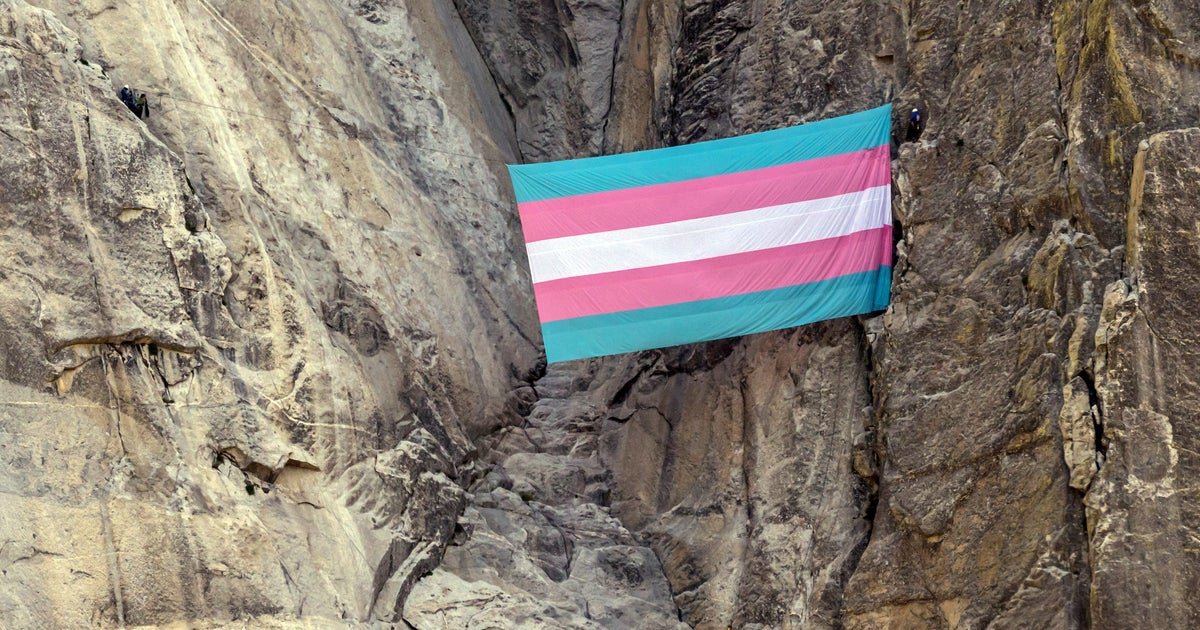
A former wildlife biologist at Yosemite National Park has taken legal action against the federal government, claiming their constitutional rights were violated when they were fired for hanging a transgender pride flag from the iconic El Capitan rock formation. Shannon “SJ” Joslin, who worked as a park ranger at Yosemite for nearly five years and uses they/them pronouns, received a termination notice from the National Park Service in August of last year. The dismissal came approximately three months after Joslin, along with a group of climbers, displayed a large pink, blue, and white striped flag—the recognized symbol of transgender pride—from one of California’s most famous natural landmarks. According to a lawsuit filed in federal court in Washington, D.C., this action, which Joslin maintains was done outside of official work hours, was intended to celebrate and support the transgender community during a period of increasing political pressure and attacks from the Trump administration. What started as an act of solidarity has now evolved into a significant legal battle with implications that extend far beyond one person’s employment status, raising serious questions about free speech rights, selective enforcement of regulations, and the treatment of federal employees who dare to express views that may conflict with the current administration’s policies.
The Legal Battle and Constitutional Concerns
Joslin’s legal team argues that the termination represents a clear violation of constitutional rights, specifically the First Amendment’s protection of free expression and privacy rights. Joanna Citron Day, one of the attorneys representing Joslin, expressed deep concern about what she sees as targeted repression of free speech by the current administration. She emphasized that all Americans should be worried about this kind of governmental overreach, stating that the administration appears to be going after groups and individuals it disagrees with, whether they’re trans rights advocates, federal workers, immigrants, or others. What makes this case particularly troubling, according to Day, is that Joslin appears to be the first person to face negative consequences for flying a flag on El Capitan, despite the fact that federal employees and others have done similar things in the past without repercussions. The lawsuit details that beyond the dismissal itself, Joslin also faced a criminal investigation—an escalation that their attorneys describe as part of a “vindictive campaign” designed to punish them for expressing support for transgender rights. The legal team is seeking to halt the investigation immediately and have Joslin reinstated to their position with the National Park Service. The defendants named in the lawsuit include not only the National Park Service but also its parent agency, the Department of the Interior, the Department of Justice, and the leadership of each of these organizations, indicating the broad scope of governmental involvement in this matter.
The Official Response and Justification
The National Park Service has responded to the controversy with a carefully worded statement that avoids discussing the specifics of Joslin’s case while defending its general policies and regulations. A spokesperson for the agency stated that it does not comment on individual personnel actions but made it clear that the Park Service “will not tolerate violations of laws and regulations that impact those resources and experiences.” The official explanation centers on the idea that Yosemite National Park was designated by Congress specifically to showcase and preserve the area’s natural and cultural features, and that any demonstration—regardless of the cause it supports—detracts from the visitor experience and the protection of the park if conducted without proper permits outside of designated First Amendment areas. The spokesperson emphasized that to safeguard visitor protection, experiences, and park resources, many types of demonstrations require permits. Joslin’s termination notice specifically cited their “failure to demonstrate acceptable conduct” while still serving as a probationary employee, just weeks before their probation period would have ended. The notice referenced regulations that prohibit demonstrations on Yosemite grounds except in certain locations designated as “First Amendment areas.” However, the Justice Department declined to comment on the case, and the Interior Department had not responded to requests for comment at the time of reporting, leaving many questions unanswered about the decision-making process that led to Joslin’s termination.
Questions About Selective Enforcement and Timing
One of the most compelling arguments in Joslin’s lawsuit centers on what appears to be selective enforcement of park regulations and questionable timing in how those regulations were updated and applied. The lawsuit challenges whether Joslin’s action should even be classified as a “demonstration” under park rules, while also pointing out the rich history of activism at Yosemite. The park is widely recognized as the birthplace of American environmental advocacy, and climbers scaling El Capitan have raised flags for numerous political and social causes throughout the years without facing similar consequences. Clayton Bailey, another attorney representing Joslin, put it bluntly: “If Dr. Joslin had hung a flag the administration liked, they would be working at Yosemite today. That reality is totally antithetical to the basic First Amendment freedoms promised to everyone.” Perhaps most damning is the timeline surrounding the park’s regulations themselves. The current version of Yosemite’s policy book, dated May 20, 2025—the exact same day Joslin and the climbers hung the transgender pride flag—includes specific regulations banning large banners, flags, or signs displayed in the wilderness without a permit. This version was electronically signed by the park’s acting superintendent on May 21, 2025, just one day after the flag was displayed. However, an earlier version of these policies, dated May 22, 2024, and still appearing on the Yosemite website as recently as May 1 of the previous year, did not include these specific regulations about banners or flags. This timing raises serious questions about whether rules were created or modified specifically to justify punishing Joslin for their expression of support for transgender rights.
The Broader Implications for Free Speech
This case represents far more than a dispute between one employee and their former employer—it touches on fundamental questions about free speech rights, particularly for federal employees, and whether those rights can be selectively curtailed based on the political content of the message being expressed. The legal team argues that the regulations were “selectively enforced” in Joslin’s case specifically because the transgender pride flag is viewed as a challenge to the Trump administration’s stance on trans rights. This raises the disturbing possibility that federal workers could face retaliation, termination, or even criminal investigation for expressing views that fall outside the narrow bounds of what the current administration considers acceptable. The fact that previous flag displays on El Capitan by other individuals, including federal employees, did not result in similar consequences suggests that the message itself, rather than the act of displaying a flag, is what triggered the harsh response. If the courts side with the government in this case, it could establish a dangerous precedent that allows administrations to punish federal employees for engaging in political expression during their personal time, effectively chilling free speech and creating a climate of fear among government workers who might otherwise participate in civic discourse or advocacy for causes they believe in.
What This Means for Transgender Rights and Federal Employees
At its core, this lawsuit highlights the vulnerable position of transgender individuals and their allies during a period of intensified political attacks on trans rights, as well as the precarious situation of federal employees who wish to express support for marginalized communities. Joslin’s experience sends a clear message to other federal workers: expressing support for causes the administration opposes, even outside of work hours and in a personal capacity, could cost you your career and subject you to criminal investigation. The chilling effect of such actions cannot be overstated. When a wildlife biologist with nearly five years of service can be terminated for hanging a flag celebrating a marginalized community, it raises questions about what other forms of expression might be deemed unacceptable. Will federal employees be afraid to attend protests, sign petitions, or speak out on social media? The outcome of Joslin’s case will likely have ramifications that extend far beyond Yosemite National Park or even the federal workforce. It will help determine whether constitutional protections for free speech remain robust in the face of governmental power, or whether those protections can be easily circumvented through selective enforcement of regulations and post-hoc justifications for punishing disfavored viewpoints. As the case moves forward through the courts, it will be watched closely by civil liberties advocates, federal employee unions, LGBTQ+ rights organizations, and anyone concerned about the state of free expression in America today.