

Chaos on Memorial Drive: A Harrowing Afternoon Shooting in Cambridge
The Terrifying Scene Unfolds
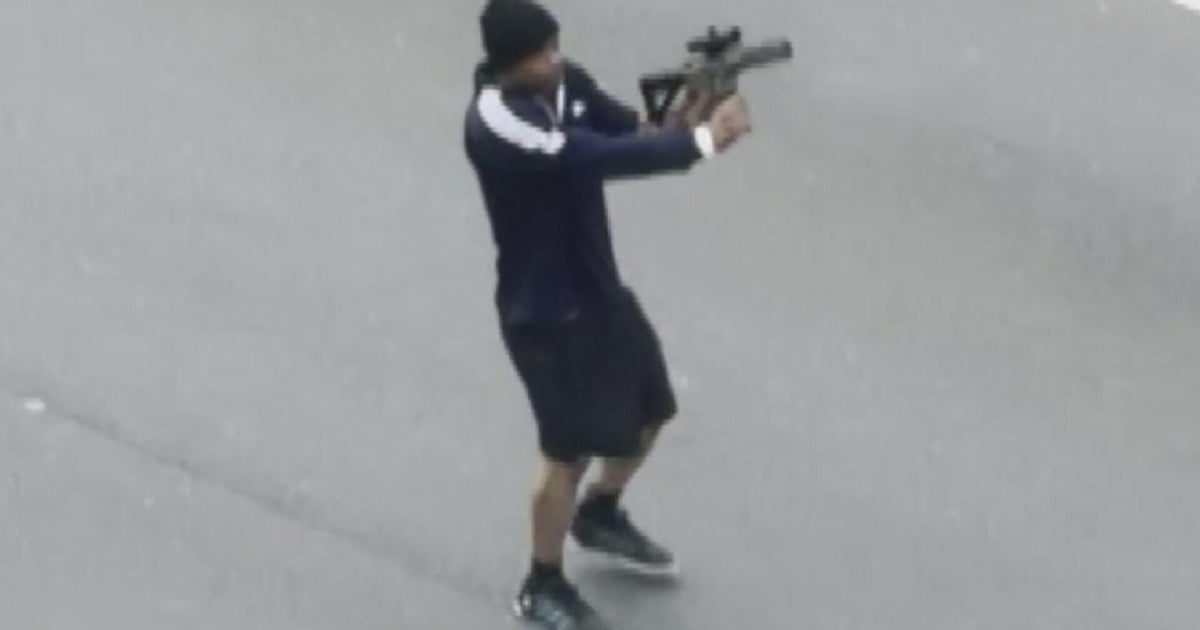
On what began as an ordinary Monday afternoon in Cambridge, Massachusetts, chaos erupted along Memorial Drive when a gunman opened fire on innocent motorists traveling through the area. Around 1:30 p.m., near the intersection of River Street, 46-year-old Tyler Brown walked down the middle of the busy roadway, wielding a rifle and firing indiscriminately at vehicles. Witnesses captured horrifying videos showing Brown moving deliberately through traffic, waving his weapon and shooting in what authorities later described as an “erratic fashion.” The surreal and terrifying scene unfolded along the Charles River, a popular area typically filled with families, joggers, and cyclists enjoying the scenic waterfront. What should have been a peaceful spring afternoon transformed into a nightmare that would leave two men fighting for their lives and an entire community shaken to its core.
The attack resulted in 50 to 60 rounds being fired, with at least a dozen vehicles struck by gunfire. Two male victims in separate cars sustained life-threatening injuries and were rushed to Boston hospitals for emergency treatment. The randomness of the violence was particularly chilling—investigators later confirmed there was no apparent connection between Brown and any of the victims whose vehicles were targeted. The district attorney’s office emphasized the catastrophic potential of the situation, noting that the weapon used had the capacity to strike people on the opposite side of the Charles River, where families were walking with baby carriages and citizens were going about their daily activities. The incident served as a stark reminder of how quickly normalcy can dissolve into life-threatening danger, and how the actions of one troubled individual can endanger an entire community.
Warning Signs and Missed Opportunities
The tragic events of that afternoon were made even more disturbing by the fact that law enforcement had received advance warning about Brown’s deteriorating mental state. According to sources from the investigative team, a photograph of Tyler Brown had been included in an officer safety bulletin distributed to police departments Monday morning—just hours before the shooting began. At approximately 12:30 p.m., less than an hour before the shooting started, police officers had attempted to conduct a welfare check at Brown’s home in Dorchester. This check was prompted by a report from Brown’s parole officer, who had contacted authorities after Brown made suicidal statements that raised serious concerns about his mental state and potential danger to himself or others.
Shortly after 1 p.m., the situation escalated when Cambridge Police received a 911 call from Boston Police warning them that Brown was believed to be in the Cambridge area and was in possession of a rifle. By the time officers could respond to the location, what Middlesex District Attorney Marian Ryan described as “an active shooter situation” was already underway. This timeline raises important questions about the challenges law enforcement faces in responding to mental health crises and preventing violence when warning signs emerge. The narrow window between the welfare check attempt and the actual shooting demonstrates how quickly situations can deteriorate and how difficult it can be for authorities to intervene effectively, even when they have advance knowledge of a potential threat. The incident highlights ongoing concerns about the intersection of mental health issues, parole supervision, and public safety.
Heroic Response Under Fire
As bullets flew and terrified motorists scrambled for safety, two individuals demonstrated extraordinary courage by confronting the armed suspect: a Massachusetts State Police trooper and a civilian who turned out to be a former Marine with a valid firearms license. While most people were understandably fleeing the scene in panic, these two men moved toward the danger, drawing their own weapons and engaging Brown in a gunfight. According to District Attorney Ryan, both the trooper and the civilian fired their weapons, striking the suspect multiple times in the extremities and effectively ending the rampage. Their quick and decisive action undoubtedly saved lives, as Brown had already demonstrated his willingness to fire indiscriminately at anyone in his path.
The State Police trooper had arrived on scene within seconds of the shooting beginning, according to multiple witnesses, and immediately engaged the threat despite the obvious danger to his own life. His patrol cruiser was struck by gunfire during the exchange, underscoring how close he came to becoming a victim himself. After Brown was neutralized, troopers immediately began providing first aid to the suspect and the two victims who had been shot, demonstrating professionalism and dedication to preserving life even in the aftermath of such violence. The civilian who assisted—the former Marine—exemplified the kind of courage and training that military service instills, stepping forward when others were running away. District Attorney Ryan credited both men with keeping the incident brief, noting that “this incident lasted minutes because thanks to the actions of that trooper and that civilian.” Their bravery prevented what could have been a far more devastating tragedy with many more victims.
Witnesses Describe Their Terror
The accounts from those who found themselves in the middle of the shooting paint a vivid picture of the sheer terror that gripped Memorial Drive that afternoon. Three witnesses who spoke with WBZ-TV described their experiences driving along the road when Brown suddenly began firing. One driver explained how he stopped his car and crouched inside the vehicle, desperately trying to make himself as small a target as possible. Despite his efforts to take cover, the gunman struck his car’s radiator. His coworker, driving just ahead of him, also had his vehicle hit—the headlight shattered by a bullet. The first driver recalled getting out of his car to check on his colleague when he saw the gunman lifting his rifle and pointing it directly at him. “I dipped back into my car and ducked behind my dashboard,” he said, while his friend chose to abandon his vehicle and run for safety.
Another harrowing account came from a woman driving a small school van who was on her way to pick up children with special needs. When the shooting started, she and another woman in the van crouched down, trying to protect themselves from the bullets flying around them. Eventually, they made the decision to flee, jumping out of the van and running through nearby bushes to escape. “I ran through the bushes and fell in here, and ran all the way down the street,” one of the women recalled, her voice still shaking from the ordeal. “And then they took me in this building over here because I was all shook and everything. Because I was running for my life.” She estimated hearing at least 15 shots or more during the attack. A resident watching from a 10th-floor balcony described hearing several gunshots fired in rapid succession, while another witness on the 18th floor of a nearby building reported hearing approximately 30 shots and seeing the gunman screaming in the road. These accounts collectively illustrate the psychological trauma inflicted not just on those directly targeted, but on the dozens of bystanders who witnessed the violence unfold.
Aftermath and Community Impact
The immediate aftermath of the shooting saw Memorial Drive transformed into a massive crime scene. A large portion of the roadway and surrounding area was cordoned off with police tape and closed to traffic as investigators began the painstaking work of documenting evidence, collecting shell casings, and photographing the numerous vehicles struck by gunfire. At least 15 Massachusetts State Police cruisers and multiple Cambridge police vehicles descended on the scene, creating a law enforcement presence that would remain for hours. One vehicle appeared to have come to rest off the road against a tree, likely driven there by a panicked motorist trying to escape the gunfire. Drivers were urged to avoid the area entirely to allow public safety personnel to conduct their investigation without interference.
Massachusetts Governor Maura Healey released a statement saying she was monitoring the situation as state and local police worked together to investigate the incident. She assured the public that there was no ongoing threat but strongly encouraged residents and commuters to stay away from the area. “Grateful to first responders who worked quickly to keep people safe and secure the scene,” Healey said. Tyler Brown was taken into custody and transported to a hospital, where he underwent treatment for multiple gunshot wounds in the intensive care unit. He faces several serious charges, including two counts of armed assault with intent to murder, though it remained unclear when he would be well enough to be arraigned in court. The two victims who were shot continued fighting for their lives in Boston hospitals, their conditions critical. Beyond these immediate casualties, District Attorney Ryan acknowledged the broader psychological toll, noting that the trauma extended to everyone who was present—people on the river, walking, pushing baby carriages, riding bikes. The realization that the weapon used could have struck people on the opposite side of the Charles River added another layer of horror to an already devastating event. Authorities have asked anyone with video footage of the shooting to contact Massachusetts State Police as the investigation continues, hoping that additional evidence will help them piece together exactly what happened during those terrifying minutes on Memorial Drive.