
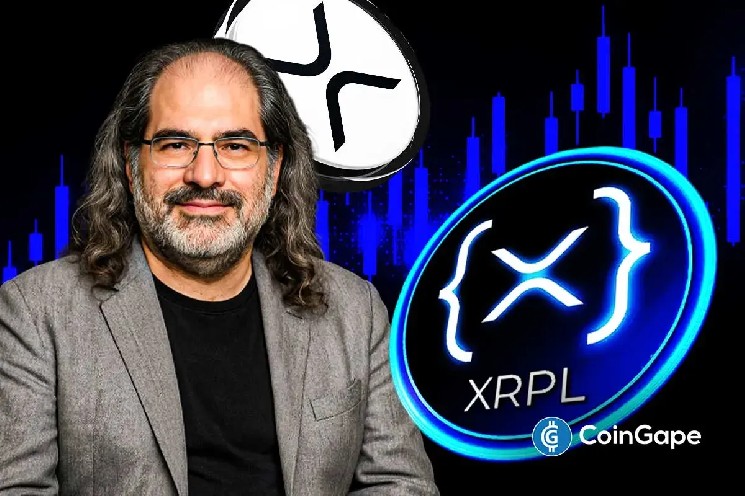

Ripple’s David Schwartz Joins XRP Ledger Foundation: A Major Milestone for the Crypto Community
A Significant Appointment in the XRP Ecosystem
In a development that has sent waves of excitement through the cryptocurrency community, David Schwartz, widely recognized as one of the most influential figures in blockchain technology, has officially joined the XRP Ledger Foundation’s Honorary Board Members. This appointment represents more than just a ceremonial position; it’s a strategic move that brings together decades of technical expertise with grassroots community initiatives. Schwartz, who serves as Ripple’s Chief Technology Officer Emeritus, has been instrumental in developing the XRP Ledger from its earliest days, making his involvement with the Foundation a natural progression that promises to strengthen the entire ecosystem. His reputation in the crypto world extends far beyond his technical contributions – he’s known for his approachable communication style, his willingness to engage with community members on social media, and his thoughtful perspectives on the future of digital assets. The XRP Ledger Foundation, an independent organization dedicated to supporting the development and adoption of the XRP Ledger, now has access to one of the brightest minds in cryptocurrency. This partnership is expected to accelerate innovation, improve governance structures, and provide strategic direction during a crucial period for the XRP ecosystem.
Understanding David Schwartz’s Legacy in Cryptocurrency
David Schwartz isn’t just another executive in the blockchain space – he’s a genuine pioneer who helped architect one of the most efficient and sustainable distributed ledger technologies in existence today. Often known by his online persona “JoelKatz,” Schwartz has been with Ripple (previously known as OpenCoin) since its early days, contributing to the fundamental design of the XRP Ledger’s consensus protocol. His technical innovations addressed many of the problems that plagued earlier blockchain systems, particularly the energy-intensive proof-of-work mechanisms used by Bitcoin. The XRP Ledger’s consensus algorithm, which Schwartz helped develop, can process transactions in seconds while consuming a fraction of the energy required by traditional blockchain networks. Beyond his technical achievements, Schwartz has become something of a folk hero within the XRP community for his transparency and accessibility. Unlike many executives in the crypto industry who maintain distance from their user base, Schwartz regularly engages in conversations on Twitter, answers technical questions, explains complex concepts in understandable terms, and even participates in lighthearted community discussions. His transition to the role of Chief Technology Officer Emeritus at Ripple hasn’t diminished his involvement in the ecosystem – instead, it has allowed him to focus on broader strategic initiatives and community engagement, making his appointment to the XRP Ledger Foundation’s Honorary Board a perfect fit for this next chapter.
The XRP Ledger Foundation’s Mission and Importance
The XRP Ledger Foundation represents an essential component of the XRP ecosystem’s decentralization efforts. Established as an independent nonprofit organization, the Foundation works to support the open-source development, integration, and adoption of the XRP Ledger. Unlike centralized blockchain projects where a single company controls development and direction, the XRP Ledger operates as a truly decentralized platform, and the Foundation plays a crucial role in maintaining this independence while coordinating community efforts. The organization focuses on several key areas: supporting developers building on the XRP Ledger, funding technical improvements and innovations, educating the public about the technology’s capabilities, and advocating for adoption across various industries. By bringing together developers, businesses, validators, and community members, the Foundation serves as a neutral ground where stakeholders can collaborate on the future direction of the technology without any single entity wielding disproportionate control. This structure is particularly important given ongoing regulatory scrutiny of the cryptocurrency industry, as it demonstrates the XRP Ledger’s decentralized nature and community-driven development model. The Foundation’s work extends beyond just technical development – it also involves building partnerships, creating educational resources, organizing community events, and ensuring that diverse voices are heard in governance decisions. With Schwartz now joining the Honorary Board, the Foundation gains not only technical expertise but also significant credibility and visibility within the broader cryptocurrency community.
What This Appointment Means for the XRP Community
For the millions of XRP holders and the thousands of developers building on the XRP Ledger, Schwartz’s appointment to the Foundation’s Honorary Board represents a powerful endorsement and a promising sign for the future. The timing of this announcement is particularly significant, coming at a moment when the XRP community has been navigating regulatory challenges and working to demonstrate the technology’s independence from any single corporate entity. Having someone of Schwartz’s stature formally associated with the Foundation reinforces the message that the XRP Ledger is a community-driven project with robust governance structures. His involvement is expected to attract additional attention from developers, enterprises, and institutional investors who recognize his reputation for technical excellence and ethical leadership. The appointment also signals a deeper collaboration between Ripple and the independent XRP Ledger Foundation, showing that these entities can work together constructively while maintaining appropriate boundaries. Community members have responded enthusiastically to the news, with many expressing hope that Schwartz’s strategic vision will help guide the ecosystem through its next phase of growth. His technical insights could prove invaluable as the Foundation evaluates proposals for protocol improvements, considers new use cases, and works to expand the XRP Ledger’s capabilities. Furthermore, Schwartz’s communication skills and community rapport make him an ideal ambassador for explaining the technology to newcomers, regulators, and potential partners. This appointment may also encourage other prominent figures in the blockchain space to become more involved with the Foundation, creating a virtuous cycle of expertise and engagement.
The Broader Implications for Blockchain Governance
Schwartz’s move to the XRP Ledger Foundation’s Honorary Board also carries implications that extend beyond the XRP ecosystem, offering potential lessons for how other blockchain projects might structure their governance models. The cryptocurrency industry has long grappled with questions about centralization, with critics pointing to situations where a single company or small group of individuals exerts outsized influence over a supposedly decentralized network. By creating a clear separation between Ripple (a for-profit company that uses XRP and contributes to the XRP Ledger’s development) and the XRP Ledger Foundation (an independent nonprofit focused on the open-source protocol), the ecosystem demonstrates a mature approach to decentralized governance. Schwartz’s ability to bridge these worlds – maintaining his Emeritus role at Ripple while joining the Foundation’s board – shows how individuals can serve multiple stakeholders without creating conflicts of interest when proper structures are in place. This model might inspire other projects to develop similar arrangements, where corporate developers and independent foundations work in parallel to advance both commercial applications and open-source infrastructure. The appointment also highlights the value of having technical experts involved in governance rather than limiting board positions to business executives or investors. Blockchain technology remains complex and rapidly evolving, and having voices like Schwartz’s in governance positions ensures that decisions are informed by deep technical understanding rather than purely commercial considerations. As governments and regulatory bodies around the world develop frameworks for overseeing cryptocurrency projects, examples of strong, independent governance structures like the XRP Ledger Foundation become increasingly important reference points.
Looking Ahead: The Future of the XRP Ledger Under New Leadership
With David Schwartz now part of the XRP Ledger Foundation’s Honorary Board, the stage is set for an exciting new chapter in the XRP Ledger’s evolution. The coming years are likely to see accelerated development of new features, expanded use cases, and growing adoption across multiple industries. Schwartz has previously spoken about his vision for the future of the XRP Ledger, including improvements to smart contract functionality, enhanced privacy features, and better interoperability with other blockchain networks – all areas where his guidance on the Foundation’s board could prove instrumental. The Foundation itself may take on an even more prominent role in coordinating ecosystem development, potentially launching new initiatives to support developers, fund research, or build partnerships with enterprises looking to leverage the XRP Ledger’s speed, efficiency, and sustainability. This appointment also comes at a pivotal moment for the entire cryptocurrency industry, as digital assets move from the fringes toward mainstream adoption and regulatory clarity begins to emerge in major markets. Having experienced leaders like Schwartz involved in governance positions will be crucial as the ecosystem navigates these transitions, responds to regulatory requirements, and works to demonstrate the real-world value of blockchain technology. For the XRP community specifically, this development offers renewed confidence that their preferred platform has the leadership, technical expertise, and governance structures necessary to compete and thrive in an increasingly crowded blockchain landscape. While challenges undoubtedly remain, the combination of Schwartz’s vision, the Foundation’s independence, and the XRP Ledger’s proven technical capabilities creates a compelling foundation for future growth and innovation.