



American Cruise Ship Passengers Arrive at Specialized Medical Facilities After Hantavirus Outbreak
State-of-the-Art Quarantine Facilities Welcome Evacuees
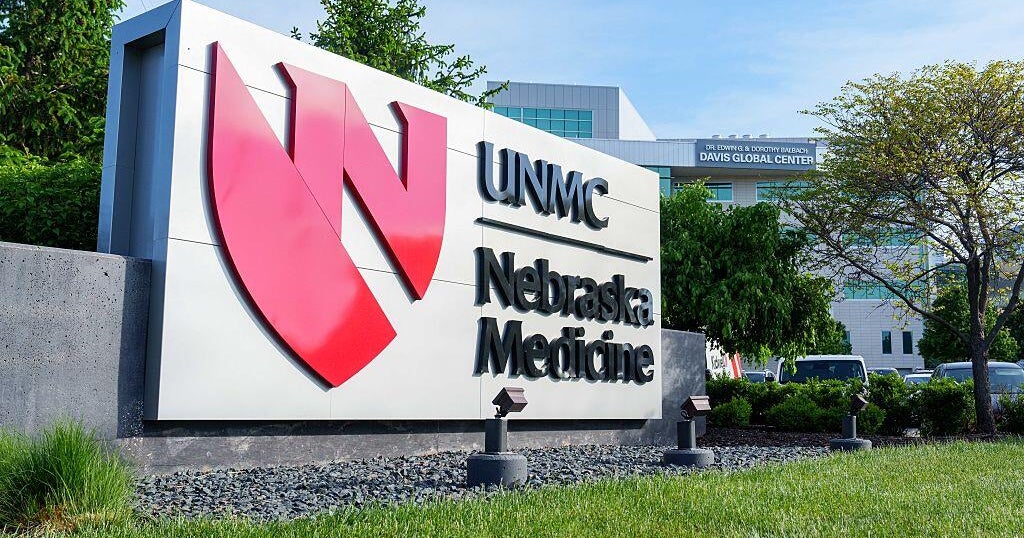
When Americans evacuated from a cruise ship affected by a hantavirus outbreak returned to United States soil on Monday, they weren’t taken to just any medical facility. The majority of these passengers were transported to the University of Nebraska Medical Center in Omaha, Nebraska, a institution that stands out as one of the most advanced centers for managing infectious disease cases in the entire country. Fifteen individuals from the affected cruise ship are currently being housed at the National Quarantine Unit located on the university’s campus, according to statements released by officials on Monday. This particular quarantine facility holds a unique distinction as the only federally funded unit of its kind in the United States, and it gained prominence when it was first activated during the early, frightening months of the COVID-19 pandemic that changed the world as we knew it. Dr. Jeffrey Gold, who serves as president of the University of Nebraska, expressed confidence in the facility’s capabilities during a Monday briefing, stating emphatically, “There is no place in the country that they could be better cared for more safely and more effectively.” The medical center also houses the Nebraska Biocontainment Unit, a more intensive care facility reserved for patients who progress from simple observation to actually developing symptoms requiring medical treatment. According to officials, one passenger from the cruise ship has already been transferred to this biocontainment unit and is reportedly doing well under the care of specialized medical staff. Meanwhile, two additional passengers from the same voyage were taken to a similar biocontainment facility at Emory University located in Atlanta, demonstrating the coordinated national response to this potential public health concern.
Understanding the National Quarantine Unit’s Hotel-Like Environment
The National Quarantine Unit represents a fascinating blend of medical monitoring and comfortable accommodation, designed specifically for individuals who are potentially exposed to infectious diseases but aren’t yet showing symptoms. Angela Hewlett, who serves as the medical director of the Nebraska Biocontainment Unit, explained the facility’s purpose during Monday’s briefing, noting that it is “designed for well individuals who need to be monitored.” The facility contains twenty single-occupancy rooms, ensuring complete isolation between guests to prevent any possible cross-contamination. Michael Wadman, the medical director of the National Quarantine Unit, emphasized that there is strictly no intermingling between individuals staying in the facility, and no visitors are permitted aside from essential medical staff who are trained in infectious disease protocols. During their stay in the unit, individuals undergo regular monitoring for any developing symptoms, including routine temperature checks that serve as an early warning system for potential illness. Each room is equipped with sophisticated “individual negative air pressure systems” along with specialized filters designed to prevent the spread of any possible virus particles beyond the confines of each room, according to information provided by the university. However, despite these high-tech safety features, the rooms are designed with human comfort firmly in mind. Hewlett offered an interesting perspective on the facility’s atmosphere, describing it as “much more like a hotel than a patient care space,” and noting specifically that the rooms don’t contain hospital equipment that might create an anxiety-inducing medical atmosphere. Instead, each room features its own private bathroom, exercise equipment to help occupants maintain their physical and mental health during isolation, and Wi-Fi connectivity to keep them connected with the outside world and their loved ones during what must be an incredibly stressful and uncertain time.
The Nebraska Biocontainment Unit: When Monitoring Becomes Treatment
The Nebraska Biocontainment Unit represents the next level of care for individuals who progress beyond simple observation to requiring actual medical intervention. If someone staying in the quarantine unit begins developing symptoms consistent with hantavirus infection, they would be quickly assessed by medical professionals and then moved to the Nebraska Biocontainment Unit for more intensive care. “The biocontainment unit is a patient care space,” Hewlett explained, drawing a clear distinction between the two facilities. “That’s where we provide hospital-based care to people who need it, and those patients could range from being relatively well and stable to critically ill, requiring multiple procedures and multiple interventions.” This flexibility in care levels means the unit can handle everything from mild cases requiring basic supportive care to severe cases that might need advanced medical procedures and constant monitoring. Like the quarantine unit, rooms in the biocontainment unit are equipped with the same sophisticated air pressure systems and specialized filters to prevent viral spread, protecting both other patients and medical staff. “It’s a very different facility compared to your routine patient care room in a regular hospital,” Hewlett noted, emphasizing the specialized nature of these treatment spaces. The capacity of the biocontainment unit is not fixed but varies depending on several factors, including the specific virus being dealt with and how much medical waste needs to be safely processed and disposed of. “We typically can take 10 patients with an airborne disease,” Hewlett explained, citing examples such as bird flu and coronaviruses. However, with diseases caused by hantavirus, which presents unique challenges because infected individuals can “become ill fairly quickly” and require intensive resources, the unit typically can only accommodate two to three patients safely at any given time. This capacity limitation is precisely why two passengers from the cruise ship were taken to the Emory biocontainment unit instead of Nebraska, officials explained. If additional people develop symptoms beyond the available beds at the Nebraska Biocontainment Unit, they would be transported to other specialized treatment centers scattered across the United States that are equipped to handle infectious disease cases.
A Proven Track Record in Infectious Disease Response
Both the UNMC quarantine unit and biocontainment unit have extensive experience dealing with some of the most concerning infectious disease outbreaks of recent years, establishing them as trusted facilities in the national public health infrastructure. The quarantine unit’s first activation came in 2020 during one of the most uncertain periods in modern American history, when Americans needed to be evacuated from China as the COVID-19 outbreak was beginning to spread globally and the world was just starting to understand the magnitude of what was coming. The biocontainment unit played an even more direct role in the early pandemic response, treating some of the very first Americans who were diagnosed with COVID-19, when very little was known about the disease and no proven treatments existed. The facility’s experience with dangerous infectious diseases extends even further back to 2014, when it was activated to treat Americans who had contracted Ebola, a terrifying hemorrhagic fever with high mortality rates that sparked international concern. This accumulated experience over multiple different outbreaks involving vastly different pathogens has given the staff invaluable expertise in dealing with infectious disease emergencies. Dr. Michael Ash, who serves as the CEO of Nebraska Medicine, expressed confidence in his teams’ readiness when discussing the arrival of passengers from the hantavirus-stricken cruise ship. “We are prepared for situations exactly like this,” he stated. “Our teams have trained for decades alongside federal and state partners to make sure we can safely provide care while protecting our staff and the broader community. We are proud to support this national effort.” This statement reflects not just institutional pride but the reality that effective infectious disease response requires years of preparation, coordination between multiple levels of government, and specialized facilities that can’t be created overnight when an emergency strikes.
The Human Side of Medical Isolation
While the technical capabilities of these facilities are impressive, it’s important to remember the human element of what these cruise ship passengers are experiencing. Being evacuated from a cruise ship due to a potentially deadly virus outbreak and then being placed in medical isolation, even in comfortable surroundings, represents an incredibly stressful experience for anyone. These individuals likely boarded their cruise expecting a relaxing vacation, only to find themselves at the center of a public health emergency. Now they face days or potentially weeks of uncertainty, separated from their families and normal lives, wondering whether they’ll develop symptoms of a disease that can be fatal. The inclusion of amenities like Wi-Fi, private bathrooms, and exercise equipment in the quarantine unit rooms isn’t just about comfort—it’s about preserving mental health and human dignity during an extraordinarily difficult time. The ability to video call with loved ones, maintain some semblance of a normal routine with exercise, and have privacy in their own space can make an enormous difference in how people cope with the stress and anxiety of potential exposure to a serious illness. The medical staff at these facilities understand that they’re not just monitoring for symptoms and treating disease—they’re caring for whole human beings who are frightened, displaced, and dealing with circumstances completely outside their control.
Looking Forward: Preparedness for Future Outbreaks
The response to this hantavirus outbreak on a cruise ship demonstrates both the strengths and ongoing challenges in America’s infectious disease preparedness infrastructure. On one hand, the existence of specialized facilities like the National Quarantine Unit and the Nebraska Biocontainment Unit, along with similar facilities at institutions like Emory University, shows that lessons have been learned from past outbreaks. The smooth coordination in evacuating affected Americans and getting them to appropriate facilities shows that emergency response protocols can work effectively when activated. However, the capacity limitations—particularly the fact that the Nebraska Biocontainment Unit can only handle two to three hantavirus patients at once—highlight the ongoing vulnerability in the system. If a larger outbreak were to occur, these specialized facilities could quickly become overwhelmed, necessitating difficult decisions about resource allocation. The decades of training that Dr. Ash mentioned, the federal funding that makes these facilities possible, and the partnerships between universities, medical centers, and government agencies at all levels represent critical investments in national security that often go unrecognized until an emergency strikes. As global travel continues to expand and climate change potentially alters the geographic ranges of disease-carrying organisms, the importance of maintaining and expanding this infectious disease response infrastructure will only grow. The passengers from this cruise ship are receiving world-class care in facilities that represent the cutting edge of infectious disease management, but their situation also serves as a reminder that infectious diseases remain a persistent threat that requires constant vigilance, ongoing investment, and international cooperation to effectively manage.