



Major Eye Drops Recall Affects Over 3 Million Bottles Sold at Leading US Retailers
Understanding the Scope of the Recall
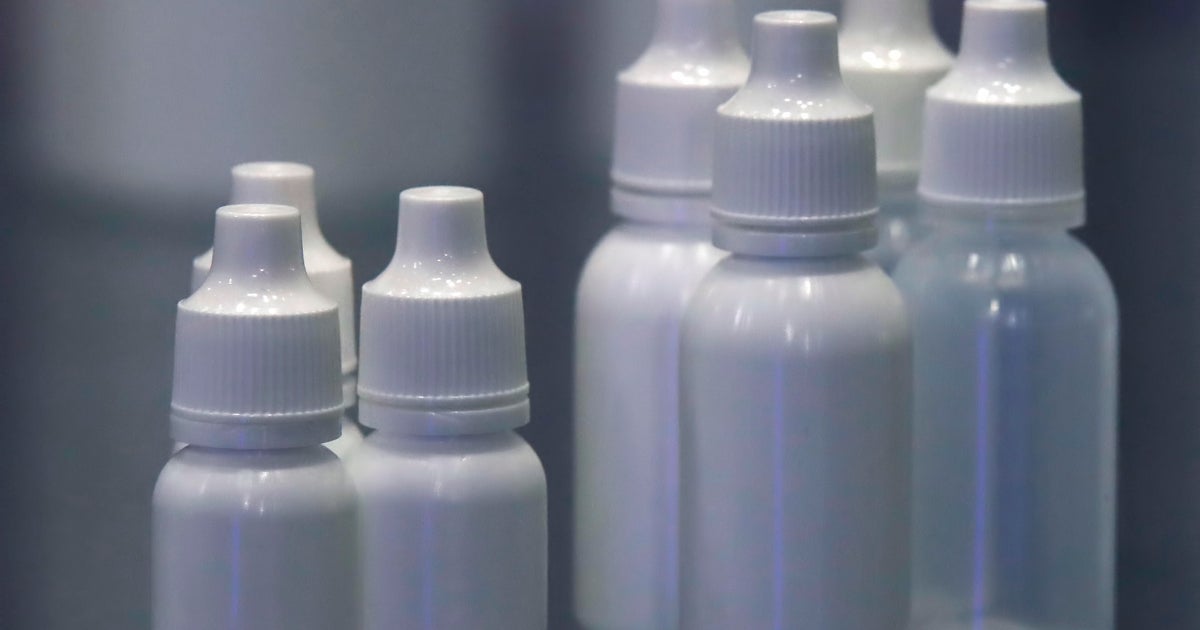
In early March, American consumers received concerning news about a widespread recall affecting their medicine cabinets. The Food and Drug Administration issued an alert regarding more than 3.1 million bottles of eye drops that had been distributed across major retail chains throughout the United States, including well-known stores like Walgreens, CVS, Kroger, and Rite Aid. The manufacturer behind these products, K.C. Pharmaceuticals, initiated the recall after discovering potential problems with the sterility of their eye drop formulations. This situation has raised important questions about product safety and quality control in the over-the-counter medication industry, particularly for items that come into direct contact with one of our body’s most sensitive organs—our eyes. The recall encompasses a variety of products sold under multiple brand names, making it essential for consumers to carefully check their personal supplies of eye drops purchased from these retailers.
The Safety Classification and What It Means for Consumers
The FDA designated this recall as “Class II,” which might sound technical but actually carries important implications for anyone who has purchased these products. In simple terms, a Class II recall indicates that while there are legitimate safety concerns that warranted removing these products from store shelves, the health risks are considered moderate rather than severe. According to the FDA’s classification system, Class II products are those that might cause temporary health problems or issues that can be reversed with medical treatment, and the likelihood of serious, long-lasting health consequences is considered remote. This classification puts the recall somewhere in the middle of the concern spectrum—serious enough to require immediate action and public notification, but not at the highest alert level that would indicate imminent danger. For consumers who may have used these products, this means you should stop using them immediately, but it doesn’t necessarily mean you should panic if you’ve already applied them to your eyes without experiencing problems. However, anyone experiencing unusual symptoms after using these eye drops should consult with a healthcare provider to ensure there are no complications.
The Eight Affected Product Lines and Where They Were Sold
The recall covers eight distinct product lines, each with different formulations designed for various eye care needs, from basic lubrication to redness relief. The largest single product affected is the Dry Eye Relief Eye Drops, with over one million bottles distributed to stores including Rite Aid, H-E-B, Meijer, and Harris Teeter, as well as military exchanges serving armed forces personnel and their families. Nearly 590,000 bottles of Artificial Tears Sterile Lubricant Eye Drops found their way to Kroger, Publix, and through pharmacy networks like Good Neighbor Pharmacy. Additional products include various formulations of Sterile Eye Drops for different purposes: an Original Formula for general use (378,144 bottles), a Redness Lubricant version (315,144 bottles), an Advanced Relief formula (303,216 bottles), and a specialized AC formula containing zinc sulfate (182,424 bottles). The recall also includes Ultra Lubricating Eye Drops (245,184 bottles) and Sterile Eye Drops Soothing Tears (74,016 bottles). The distribution was remarkably widespread, touching virtually every major pharmacy and grocery chain in America, from national giants like CVS and Walgreens to regional favorites and even convenience stores like Circle K, meaning millions of Americans could potentially have these products in their homes right now.
The Broader Context of Eye Drop Safety Concerns
This recall doesn’t exist in isolation but rather represents the latest chapter in an ongoing story about eye drop safety that has troubled health officials and concerned consumers over recent years. Just last year, in 2023, another significant eye drops recall captured headlines when a different manufacturer’s products were pulled from shelves due to potential bacterial contamination—a particularly frightening prospect given that bacterial infections in the eye can lead to serious complications, including vision loss in severe cases. These recurring incidents have highlighted vulnerabilities in the manufacturing and quality control processes for over-the-counter eye care products, raising questions about regulatory oversight and industry standards. The fact that millions of bottles can make it through production, quality checks, distribution networks, and onto store shelves before sterility problems are discovered suggests there may be systemic issues that need addressing. For consumers, these repeated recalls serve as a reminder that even common, seemingly simple over-the-counter products require rigorous safety standards, and that the “sterile” label on a product is a crucial promise that manufacturers must keep, especially for products applied directly to such vulnerable parts of our bodies.
What Consumers Should Do Right Now
If you’ve purchased eye drops from any major retailer in recent months, now is the time to take a few simple but important steps to protect your eye health. First, locate any eye drop bottles in your home—check your medicine cabinet, purse, car glove compartment, desk drawer at work, or anywhere else you might keep them. Carefully examine the labels to see if they match any of the recalled product descriptions, paying attention to both the brand name and the specific formulation details. The recalled products come in 0.5 fluid ounce (15 milliliter) bottles and include ingredients like glycerin, hypromellose, polyethylene glycol, polyvinyl alcohol, tetrahydrozoline, naphazoline, and zinc sulfate in various combinations. If you find a match, stop using the product immediately, even if you haven’t experienced any problems. Don’t simply throw the bottles in your regular trash where children or pets might access them; instead, follow proper medication disposal guidelines, which often means taking them to a pharmacy that offers take-back programs or following specific disposal instructions for your community. If you’ve been using any of these products and have noticed any unusual symptoms—such as increased redness, irritation, discharge, pain, vision changes, or signs of infection—contact your eye doctor or healthcare provider promptly to get checked out. Even if you feel fine, it’s worth mentioning to your doctor at your next visit that you used a recalled eye care product, just so it’s documented in your medical history.
Moving Forward: Consumer Awareness and Product Safety
This recall serves as an important reminder about staying informed regarding the products we use daily and the importance of consumer vigilance when it comes to personal health items. In our busy lives, it’s easy to grab familiar products off the shelf without giving them much thought, assuming that if they’re sold at reputable stores, they must be safe. While that’s generally true, recalls like this demonstrate that problems can and do occur, even with established manufacturers and trusted retailers. Going forward, consider signing up for FDA recall alerts, which can notify you directly when products you use are recalled. Keep purchase receipts for health and personal care items, at least temporarily, as they can help you track down whether you bought affected products. When you hear about a recall, take a few moments to check your supplies rather than assuming you weren’t affected. It’s also worth periodically checking the FDA’s recall website, especially if you or family members use products regularly for chronic conditions like dry eyes. By staying informed and taking recalls seriously, we can all play a part in protecting our health and the health of our loved ones. While this particular recall is classified as moderate risk, the fact remains that our eyes are precious and irreplaceable, making it worth taking every precaution to ensure that the products we use to care for them meet the highest safety standards.