

The Pipe Bomb Suspect Seeking a January 6th Pardon: A Complex Legal Battle
The Unsolved Mystery That Shocked a Nation
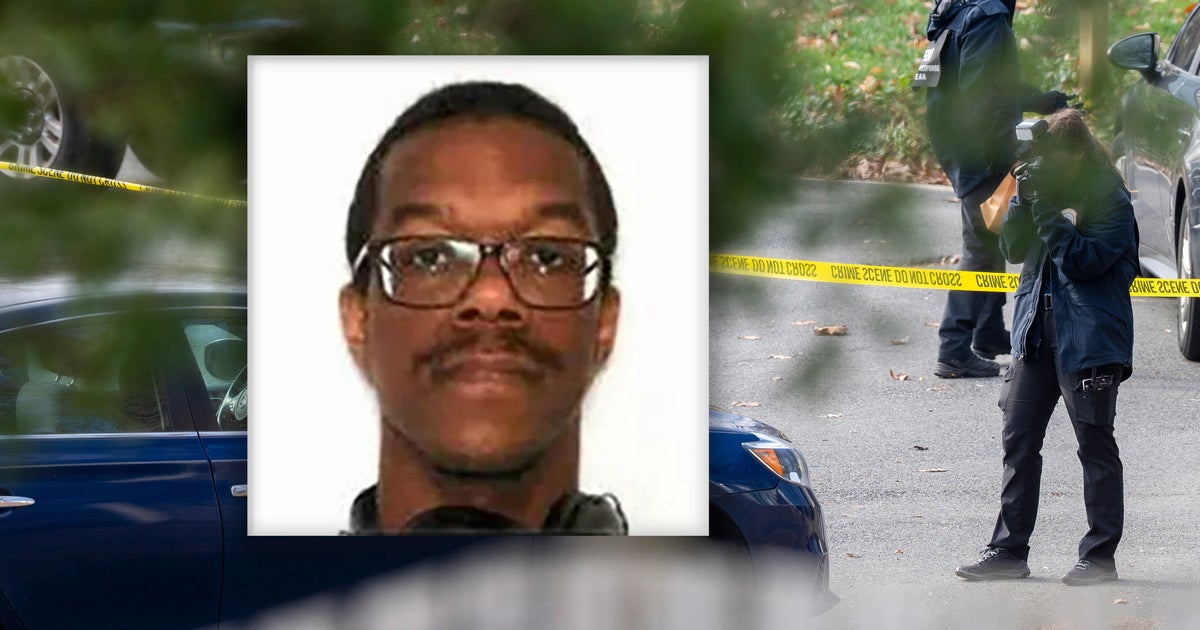
For nearly four years, one of the most disturbing mysteries surrounding the January 6th Capitol riot remained frustratingly unsolved. Someone had planted pipe bombs outside both the Republican National Committee and Democratic National Committee headquarters on January 5, 2021—the day before the infamous Capitol attack. The devices, though they never detonated, were confirmed by the FBI to be functional and dangerous. Surveillance footage showed a hooded figure placing the explosives, but despite an extensive investigation that became a top priority for law enforcement agencies, the culprit’s identity remained elusive for years. Then, in late 2024, federal authorities finally made an arrest. Brian Cole Jr. was charged with interstate transportation of explosives and malicious attempt to use explosives, bringing what seemed like closure to a case that had haunted investigators and the public alike. However, this wasn’t the end of the story—it was merely the beginning of a new and complicated legal chapter that would test the boundaries of presidential pardons in unprecedented ways.
A Controversial Presidential Decision
When President Trump returned to the White House, one of his first and most controversial actions was issuing sweeping pardons for individuals connected to the January 6th Capitol riot. These pardons were extraordinary in their scope, providing relief to approximately 1,500 defendants who faced charges ranging from simple trespassing to serious assaults on police officers. The president essentially erased criminal convictions for all but fourteen individuals who had been convicted of January 6th-related offenses. Additionally, he directed the Justice Department to work toward dismissing charges against those defendants whose cases hadn’t yet concluded in court. The pardons sparked intense debate across the political spectrum, with supporters viewing them as merciful acts for political prisoners and critics seeing them as a dangerous dismissal of accountability for those who attacked the seat of American democracy. The language of the pardon order specified that it applied to “offenses related to events that occurred at or near the United States Capitol on January 6, 2021,” but this seemingly straightforward wording would soon prove to be anything but clear-cut when applied to real-world cases.
Cole’s Legal Strategy: Connecting the Dots
Now, Brian Cole Jr.’s defense team has filed a motion asking a federal judge to dismiss all criminal charges against their client, arguing that he should be covered under President Trump’s January 6th pardons. Cole, who has entered a not guilty plea to the charges, is attempting to position his alleged actions as fundamentally connected to the events of January 6th, even though the bombs were supposedly planted the day before. His lawyers have crafted an argument centered on the phrase “related to” in the pardon order, suggesting this language should extend beyond offenses that occurred strictly on January 6th itself. They point to several key factors to support their position: prosecutors’ own court filings indicate that Cole told FBI agents he had traveled to Washington, D.C., to participate in a protest related to the 2020 election results, suggesting he was motivated by the same political grievances that drove the January 6th crowd. Furthermore, his attorneys note that while the devices were allegedly placed on January 5th, they weren’t discovered until the afternoon of January 6th, creating a temporal overlap with the Capitol riot. In their filing, Cole’s lawyers made their position crystal clear: “The Pardon—like it or not—applies to Mr. Cole, based on the ordinary and plain meaning of the Pardon’s language as applied to the relevant facts in this case.” This bold assertion represents not just a defense strategy for one individual, but a fundamental question about how far presidential clemency can reach.
The Gray Areas of Presidential Pardons
The Cole case is far from the first to test the boundaries of the January 6th pardons, but it may be one of the most significant. Several other cases have already revealed the complications that arise when broadly worded pardons meet the messy reality of individual criminal cases. In multiple instances, when law enforcement searched the homes of January 6th defendants, they discovered illegal firearms, leading to charges that extended beyond the Capitol riot itself. These cases raised the question: Does a pardon for January 6th-related offenses automatically cover weapons possession charges discovered during related investigations? The government’s position has varied, with prosecutors arguing in some cases that Trump’s pardons should indeed cover all charges, not just those directly tied to the riot. In fact, one defendant was granted a second pardon specifically to address his gun charges, setting a precedent that further muddied the waters. Perhaps the most dramatic example involves Edward Kelley, a rioter who faced separate charges for both entering the Capitol on January 6th and subsequently threatening FBI agents who were investigating him. Federal prosecutors argued forcefully that Trump’s pardon shouldn’t cover the charges related to threatening federal agents, pushing back against Kelley’s motion to dismiss. Despite these arguments, Kelley was ultimately sentenced to life in prison, suggesting courts are willing to distinguish between January 6th actions and subsequent criminal behavior.
What Makes Cole’s Case Different
While previous cases have tested the edges of the January 6th pardons, Cole’s situation presents unique challenges that could set important legal precedents. The key distinction is timing: Cole is accused of committing his alleged crimes before January 6th, not during or after the events at the Capitol. This chronological difference raises profound questions about what “related to” actually means in the context of the pardon order. If the pardons can extend backward in time to cover preparatory acts that occurred before January 6th, where does that line of reasoning end? Could it theoretically cover planning meetings weeks or months earlier? What about financial transactions made to support travel to Washington? Cole’s defense team argues that the temporal connection shouldn’t matter as much as the motivational and contextual connection—that his alleged actions were part of the same political movement and intended to influence the same events that culminated in the Capitol riot. The Justice Department, which has been asked to comment on this latest development, faces a delicate balancing act. If they argue too narrowly that the pardons only cover actions on January 6th itself, they may contradict positions they’ve taken in other cases. However, if they concede that Cole’s alleged bomb-planting is covered by the pardons, they open the door to potential pardons for preparatory crimes that could be tenuously linked to January 6th through shared political motivation.
The Broader Implications and What Comes Next
This case represents far more than just the legal fate of one individual accused of a serious crime; it’s fundamentally about the scope of presidential power and how the justice system interprets executive clemency. The outcome of Cole’s motion to dismiss could establish important precedents for how pardons are understood and applied, particularly when they’re issued with broad, sweeping language. Legal scholars and practitioners will be watching closely to see how the court interprets the phrase “related to events that occurred at or near the United States Capitol on January 6, 2021.” A ruling in Cole’s favor could significantly expand the understood reach of presidential pardons, potentially covering not just the events themselves but preparatory actions, planning, and related conduct that occurs before or after a specific date. Conversely, a ruling against Cole would establish clearer boundaries, suggesting that presidential pardons should be interpreted with some temporal and contextual limitations, even when the language seems broad. As this legal drama unfolds, it continues to highlight the lasting consequences and ongoing controversies surrounding January 6th, more than four years after the events themselves. Regardless of political viewpoint, the case forces important conversations about accountability, justice, presidential authority, and how society should respond to political violence. The judge’s eventual ruling on Cole’s motion will be scrutinized not just for its immediate effect on this particular defendant, but for what it says about the balance between executive clemency and the rule of law in American democracy.