


Alex Ferreira Completes His Olympic Dream: A Decade-Long Journey to Gold
The Perfect Final Run
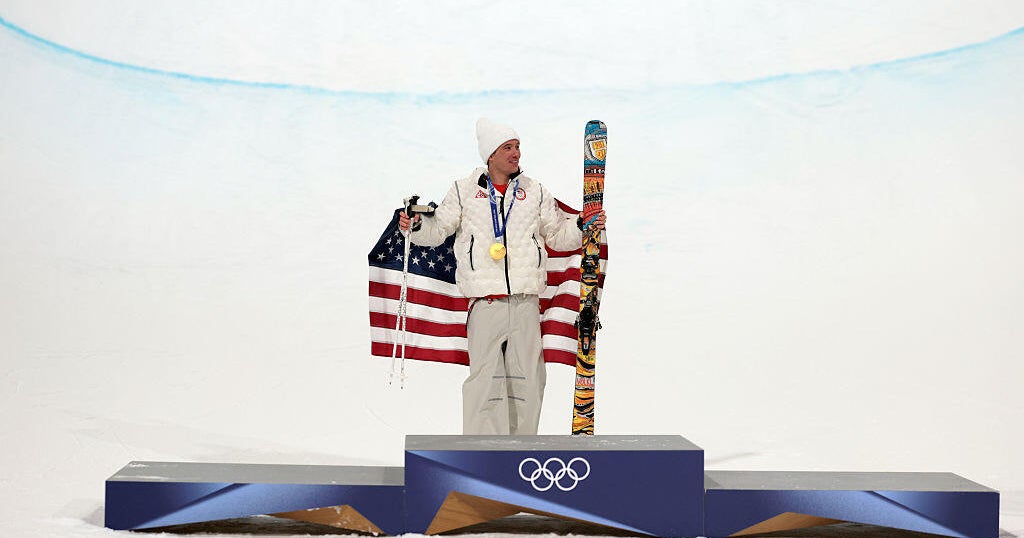
On a crisp, frosty evening in the Italian Alps, American freeskier Alex Ferreira experienced the culmination of more than ten years of dedication, sacrifice, and near-misses. As he twirled his pole triumphantly above his head after completing his final run, the 31-year-old athlete from Aspen, Colorado knew in his heart that he had left everything on the mountain. This wasn’t just another competition run – this was the performance that would define his career. Moments that felt like hours passed as his competitors took their turns, attempting to surpass his impressive top score. But when the dust settled and the final scores were posted, Ferreira’s dreams became reality. He had finally claimed the one medal that had eluded him throughout his distinguished career: Olympic gold. Surrounded by family and friends at the Livigno Snow Park, Ferreira celebrated not just a victory, but the completion of a personal mission that had driven him through years of training, setbacks, and the kind of perseverance that separates good athletes from true champions.
Completing the Rainbow
The gold medal that now hangs around Ferreira’s neck holds special significance beyond the obvious prestige of standing atop an Olympic podium. This victory represents the final piece of a remarkable collection that began in Pyeongchang in 2018, where he earned silver, and continued in Beijing four years ago when he took home bronze. His mother, Colleen Ferreira, beautifully captured the symbolic importance of this achievement when speaking to The Associated Press after the competition. “He said he needed to finish the rainbow,” she explained, her pride evident in every word. “He had the silver, the bronze and he needed the gold. He was driven. A year ago, he said he was going to do this, and he did it.” This wasn’t wishful thinking or empty boasting – it was a declaration of intent from an athlete who understood exactly what it would take to reach the pinnacle of his sport. That kind of focus and determination at age 31, when many athletes have already hung up their skis, speaks volumes about Ferreira’s character and competitive fire. For a full year, he had visualized this moment, trained for this exact scenario, and refused to let doubt creep into his preparation. His journey reminds us that sometimes the sweetest victories are those that require the longest pursuits.
Reclaiming American Dominance
Ferreira’s golden performance carried additional weight for Team USA, as it marked the first gold medal for American freeskiers or snowboarders at the Livigno snow park after nearly two weeks of competition. The halfpipe has historically been American territory at the Winter Olympics, a tradition that Ferreira was determined to restore. The event’s history tells a story of American excellence: when the halfpipe was introduced to the Olympics in Sochi in 2014, it was David Wise who claimed that inaugural gold, and he successfully defended his title four years later in Pyeongchang. However, that streak was broken in Beijing 2022 when New Zealand’s Nico Porteous took gold, relegating Wise to silver. Now, thanks to Ferreira’s spectacular performance, the halfpipe crown has returned to its customary American home. Ferreira’s winning run, scored at an impressive 93.75 points, came on his third and final attempt – the kind of clutch performance under maximum pressure that defines Olympic champions. He managed to edge out a talented field of competitors, proving that experience and determination can overcome the athleticism and fearlessness of younger rivals.
The Rising Stars and Veteran Challengers
The podium in Livigno represented an interesting mix of emerging talent and established competitors. Capturing the silver medal was 19-year-old Henry Sildaru of Estonia, competing in his very first Olympic Games. The teenager’s performance was nothing short of remarkable, with his third run coming tantalizingly close to Ferreira’s gold-medal score – missing by just 0.75 points. For someone so young and inexperienced on the Olympic stage, Sildaru’s composure and execution suggested a bright future ahead in the sport. Meanwhile, Brendan Mackay of Canada secured the bronze medal in dramatic fashion, relegating American Nick Goepper to fourth place on the very last run of the 11-man final. Goepper’s story adds another layer of intrigue to the competition. The 31-year-old was pursuing what would have been his fourth career Olympic medal, having previously won two silvers and a bronze in slopestyle across the three previous Games. For this Olympic cycle, Goepper had made the bold decision to switch from slopestyle to halfpipe, demonstrating the kind of versatility and competitive hunger that characterizes elite athletes. His final run provided a frightening moment for spectators when he crashed hard onto the deck, but true to form, the veteran was back on his feet within moments and appeared to escape serious injury. While he left Livigno without a medal, his willingness to reinvent himself and compete at the highest level in a different discipline speaks to his remarkable athletic abilities.
The Broader American Success Story
While Ferreira’s gold was the headline achievement for Team USA at the Livigno snow park, it’s worth noting that American success at these Winter Games extended beyond the halfpipe. Elizabeth Lemley had previously captured gold in women’s moguls freeskiing, though the moguls events take place at a separate venue in Livigno. The snow park itself serves as the epicenter for multiple disciplines, hosting not just the halfpipe competitions but also slopestyle and big air events for both freeskiing and snowboarding. This concentration of events creates an electric atmosphere where athletes from various specialties can support one another and feed off the energy of the crowd. The American freeski and snowboard teams have long been powerhouses in these disciplines, developing training programs and cultivating talent that has consistently produced Olympic medalists. Ferreira’s victory continues this proud tradition while also demonstrating that success in these sports isn’t limited to young phenoms – with the right dedication, athletes can compete at the highest levels well into their thirties.
A Victory for Perseverance and Patience
Alex Ferreira’s journey to Olympic gold is ultimately a story about the power of perseverance, the importance of self-belief, and the sweet reward that comes from refusing to give up on a dream. In an era where sports culture often emphasizes youth and immediate success, Ferreira’s triumph at age 31 serves as a powerful counternarrative. He didn’t win because he was the youngest, the flashiest, or the most naturally gifted athlete on the mountain that night. He won because he had spent more than a decade honing his craft, learning from near-misses, and maintaining his competitive edge through the kind of sustained excellence that only comes from unwavering commitment. The image of Ferreira twirling his pole above his head, knowing he had delivered his best possible performance when it mattered most, captures everything beautiful about Olympic competition. His mother’s words about “finishing the rainbow” perfectly encapsulate a career arc that many athletes dream about but few achieve. As he stood on that podium with gold around his neck, Ferreira embodied the Olympic ideal – not just of winning, but of pursuing excellence with dedication, grace, and the kind of resilience that inspires us all to chase our own seemingly impossible dreams, regardless of how long the journey might take.