
How Weight-Loss Drugs Are Unexpectedly Boosting Hershey’s Mint and Gum Sales
An Unlikely Connection Between GLP-1 Medications and Breath Fresheners
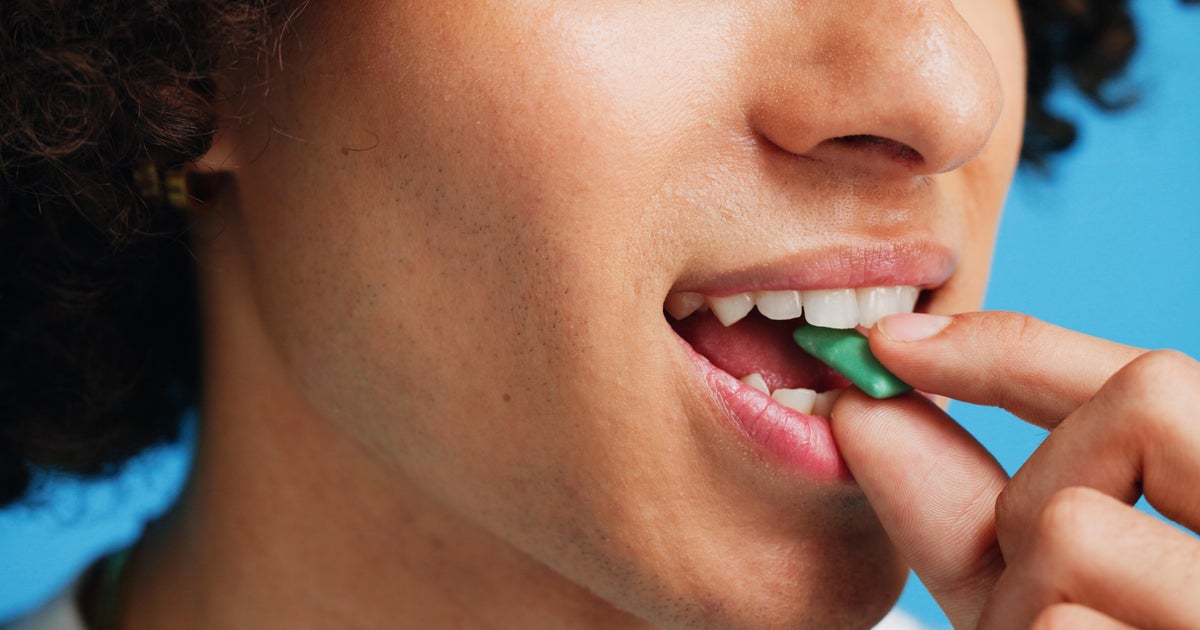
The confectionery industry has discovered an unusual silver lining in the booming weight-loss drug market. While companies like Hershey initially worried that appetite-suppressing medications might hurt their bottom line, they’re now finding that these drugs are creating unexpected opportunities in surprising product categories. During Hershey’s first-quarter earnings call, CEO Kirk Tanner revealed that the company is experiencing robust growth in their mint and gum segment, directly attributing this surge to the widespread adoption of GLP-1 weight-loss medications like Ozempic and Wegovy. This development represents an intriguing twist in the ongoing story of how these revolutionary drugs are reshaping consumer behavior across multiple industries.
The phenomenon reflects a broader reality about pharmaceutical innovations: they rarely affect just one aspect of life. Instead, they create ripple effects throughout the consumer marketplace, sometimes in ways that companies and analysts never anticipated. For Hershey, a company traditionally associated with chocolate bars and sweet treats, finding growth in the functional snacking category represents both a strategic pivot and a fortuitous discovery. The 8% increase in sales for their Ice Breakers brand during the quarter demonstrates that even as some product lines face headwinds from changing consumer habits, others can benefit from those same trends.
Understanding the Side Effect Behind the Sales Boost
The connection between GLP-1 medications and increased mint consumption stems from an uncomfortable side effect that many users experience: bad breath. Medical professionals have begun documenting what’s informally called “Ozempic breath,” which patients describe as a fishy or unpleasant smell in their burps and general breath. Dr. Neha Lalani, speaking to the medical information provider Healthline, confirmed that this phenomenon is real and something healthcare providers are increasingly hearing about from patients taking these medications.
It’s important to note that the pharmaceutical companies manufacturing these drugs don’t officially list halitosis (the medical term for bad breath) as a known side effect on their product information. The makers of Ozempic and Wegovy, the Danish pharmaceutical giant Novo Nordisk, have conducted extensive clinical trials on their medications, but bad breath specifically hasn’t been highlighted as a documented outcome. However, medical professionals caution that the relationship between these drugs and oral hygiene is still being studied, and what patients are experiencing in the real world doesn’t always perfectly align with what’s captured in controlled clinical trials.
What clinical trials have documented are related gastrointestinal effects that might contribute to breath issues. In studies conducted by Novo Nordisk, approximately 9% of people taking GLP-1 medications reported experiencing eructation—the medical term for burping. More significantly, over 40% of trial participants reported experiencing nausea, and nearly 25% reported vomiting as side effects. These digestive disturbances could potentially contribute to the breath problems that users are reporting, as stomach issues often manifest as bad breath. When your digestive system is in distress or operating differently than usual, it’s not uncommon for this to affect your breath, regardless of your oral hygiene routine.
The Science Behind GLP-1 Drugs and Digestive Changes
To understand why these medications might cause breath changes, it helps to know how GLP-1 drugs actually work in the body. These medications mimic a naturally occurring hormone called glucagon-like peptide-1, which plays several crucial roles in regulating appetite and digestion. When you take these drugs, they slow down the emptying of your stomach, helping you feel fuller for longer periods after eating. This mechanism is what makes them so effective for weight loss—people simply feel less hungry and eat smaller portions without the same level of willpower required by traditional dieting.
However, this fundamental change in how your digestive system processes food can have unintended consequences. When food sits in your stomach longer than usual, it can lead to various gastrointestinal symptoms, including the nausea, burping, and vomiting that clinical trials have documented. These digestive disruptions can create conditions that lead to bad breath, as the digestive process is altered from its normal pattern. Additionally, when people dramatically reduce their food intake—which is common among GLP-1 users—their bodies may enter a state called ketosis, where the body burns fat for energy instead of carbohydrates. Ketosis is well-known for producing a distinctive breath odor that many describe as fruity or metallic.
How Companies Are Adapting to the GLP-1 Era
Hershey’s experience illustrates how consumer-focused companies are learning to navigate the new landscape created by widespread GLP-1 adoption. Rather than viewing these medications purely as a threat to their traditional candy business, Hershey has recognized that changing consumer needs create new opportunities. The company’s strategic positioning in the “functional snacking” category—products that serve a specific purpose beyond just taste enjoyment—appears to be paying dividends.
This adaptation reflects broader changes happening across the food and beverage industry. Companies are having to rethink their product portfolios and marketing strategies to remain relevant to consumers whose eating habits are being fundamentally altered by medication. Some are developing smaller portion sizes, others are emphasizing protein content or nutritional benefits, and still others, like Hershey with its mints and gum, are focusing on products that address the side effects of these medications rather than competing with them for stomach space.
The shift represents a significant change in how food companies think about their customers. Rather than assuming everyone is seeking maximum caloric satisfaction and indulgence, companies now need to consider that a growing segment of consumers is taking medications that fundamentally alter their relationship with food. These customers may be less interested in large chocolate bars but very interested in products that help them manage their new reality—including fresh breath when their medication is causing unpleasant oral effects.
The Broader Market Impact of Weight-Loss Medications
The GLP-1 phenomenon extends far beyond just one candy company’s mint sales. These medications are reshaping consumer behavior across numerous sectors, from restaurants to grocery stores to fitness centers. Analysts estimate that millions of Americans are now taking these drugs, with that number expected to grow substantially in coming years as more insurers cover the medications and as pharmaceutical companies develop new versions with fewer side effects.
For the business world, this represents one of the most significant shifts in consumer behavior in recent memory. Companies that once worried primarily about competing with each other are now having to account for a medical intervention that directly affects their customers’ core behaviors. Restaurants are seeing customers order differently, grocery stores are noticing changes in shopping patterns, and apparel companies are adjusting their inventory as body sizes change across their customer base.
The financial implications are enormous. Some analysts predict that GLP-1 drugs could eventually reduce overall food consumption in the United States by meaningful percentages, representing billions of dollars in shifted spending. At the same time, entire new market categories are emerging to serve GLP-1 users, from specialized meal planning services to products specifically designed to address medication side effects—like Hershey’s mints and gum. Companies that can successfully identify and serve these emerging needs will find opportunities for growth even as traditional business models face challenges.
Looking Ahead: A New Normal for Consumer Markets
As GLP-1 medications become increasingly mainstream, their influence on consumer behavior will likely become more pronounced and more nuanced. We’re still in the early stages of understanding how these drugs will ultimately reshape markets, and companies across industries are closely monitoring trends and adjusting their strategies accordingly. For Hershey and similar companies, the challenge will be continuing to innovate and identify which products align with the changing needs of their customer base.
The breath freshener boom may be just the beginning. As more people take these medications for longer periods, we’ll likely see other unexpected market effects emerge. Companies that stay alert to these changes and remain flexible in their approach will be better positioned to thrive in this new environment. Meanwhile, the experience serves as a reminder that in business, challenges and opportunities often come from unexpected directions—and sometimes, they come from the same source. While GLP-1 drugs may reduce overall snack consumption, they’re simultaneously creating demand for products that help users manage their new reality, proving that adaptation and attention to emerging consumer needs remain the keys to business success.