


Bad Bunny’s Historic Super Bowl LX Halftime Show: A Celebration of Culture, Love, and Latin Music
A Groundbreaking Performance That Made History
Bad Bunny delivered an electrifying and culturally significant halftime show at Super Bowl LX on Sunday, February 8, 2026, at Levi’s Stadium in Santa Clara, California. The performance came just one week after the Puerto Rican superstar made history at the 68th Grammy Awards, where he took home three prestigious awards, including the coveted Album of the Year. Taking center stage at one of America’s most-watched annual events, Bad Bunny became one of the first artists to perform predominantly in Spanish at the Super Bowl halftime show, marking a watershed moment for Latin music and representation on one of the country’s biggest stages. The “DtMF” singer, born and raised in Puerto Rico, brought his authentic cultural heritage to millions of viewers, demonstrating the universal power of music to transcend language barriers and unite people through rhythm, emotion, and shared humanity.
The Show’s Most Memorable Moments and Special Guests
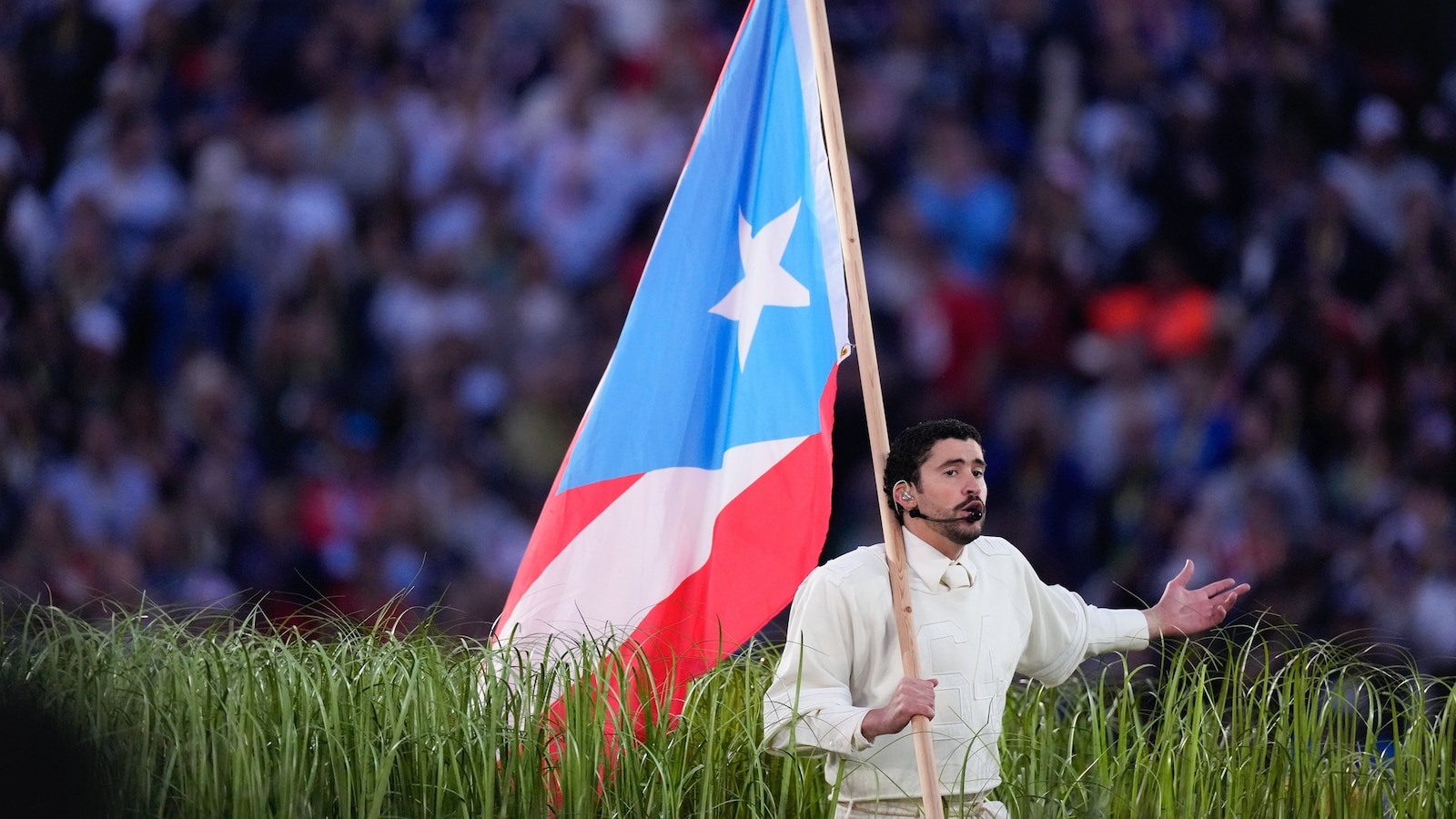
The halftime spectacular featured Bad Bunny taking the stage in an all-white jersey-like outfit emblazoned with “Ocasio” on the back—a proud display of his actual surname and a nod to his roots. Throughout the performance, Puerto Rican culture took center stage with vibrant imagery of the island, its iconic flag, and powerful messages centered around love and unity. In a particularly touching moment, the show featured a real-life wedding ceremony, emphasizing the theme of love conquering hate. The final message displayed on screens as the performance concluded powerfully stated: “The only thing more powerful than hate is love.” The show was elevated by surprise appearances from superstar guests, including Lady Gaga, who joined Bad Bunny for their collaboration “Die With a Smile,” and fellow Puerto Rican icon Ricky Martin. The celebration also brought together an impressive roster of celebrity participants, including Cardi B, actress Jessica Alba, Colombian superstar Karol G, and acclaimed actor Pedro Pascal, all joining in to support and amplify the message of cultural pride and inclusivity.
The Setlist: A Journey Through Bad Bunny’s Greatest Hits
Bad Bunny’s performance showcased a carefully curated selection of his most popular tracks that have dominated charts and streaming platforms worldwide. The setlist included fan favorites such as “MONACO,” “BAILE INoLVIDABLE,” “Safaera,” and “VOY A LLeVARTE PA PR,” each song representing different facets of his musical evolution and artistic range. The highlight collaboration “Die With a Smile” featuring Lady Gaga brought an unexpected but welcomed crossover moment that demonstrated Bad Bunny’s versatility and appeal across different musical genres and audiences. These songs, many of which have accumulated over a billion streams on Spotify, showcase the artist’s ability to create infectious rhythms and memorable melodies that resonate with listeners regardless of language. The performance gave viewers a condensed yet comprehensive tour through Bad Bunny’s impressive catalog, from his breakthrough hits to tracks from his most recent Grammy-winning album “DeBÍ TiRAR MáS FOToS,” which solidified his position as not just a Latin music star, but a global phenomenon whose influence extends far beyond any single genre or geographic boundary.
Bad Bunny’s Pre-Performance Message: Dance from the Heart
During a press conference held on February 5, 2026, at San Francisco’s Moscone Center West, Bad Bunny shared his excitement and philosophy for the upcoming halftime show. The artist expressed that he was soaking in every moment of the experience while preparing to bring his culture to one of the world’s biggest stages. When asked what audiences should expect, Bad Bunny emphasized that the performance would be “fun” above all else, encouraging viewers to let go of their inhibitions and simply enjoy the music. In a now-famous quote from the conference, he told fans, “People only need to worry about dancing. I know I told them that they have a month to learn Spanish—they don’t even have to learn Spanish. It’s better if they learn to dance. There’s no better dance than the one that comes from the heart. The heartbeat dance, that’s the only one they need to worry about and have fun and enjoy.” This message perfectly encapsulated Bad Bunny’s inclusive approach to music—acknowledging that while his songs are performed in Spanish, the emotions, rhythms, and joy they convey are universal languages that everyone can understand and participate in, regardless of their background or native tongue.
The Rise of a Global Superstar and His Musical Journey
Bad Bunny, born Benito Martínez Ocasio on March 10, 1994, in Bayamón, Puerto Rico, and raised in Vega Baja by his parents Tito Martínez and Lysaurie Ocasio—a truck driver and schoolteacher respectively—has taken both Latin music and the broader music industry by storm. His musical journey, spanning six albums, features his signature blend of soulful and fun melodies paired with Spanish lyrics that celebrate his heritage while pushing creative boundaries. His recent releases, including “DeBÍ TiRAR MáS FOToS” (2025), “Nadie Sabe Lo Que Va a Pasar Mañana” (2023), and “Un Verano Sin Ti” (2022), have each demonstrated his growth as an artist and his ability to connect with audiences on a deeply emotional level. Songs like “Tití Me Pregunto” from “Un Verano Sin Ti,” which earned him a Grammy for best música urbana album, and “DTMF” and “BAILE INoLVIDABLE” from his latest album, have each accumulated over a billion streams on Spotify. Beyond his solo work, Bad Bunny has collaborated with numerous artists, including his feature on Cardi B’s “I Like It” alongside J Balvin, which earned him his first Grammy nomination for record of the year in 2019. His upbringing heavily influences his music, as he grew up listening to salsa with his father and merengue and pop ballads with his mother. At the Super Bowl press conference, when asked about who believed in him before fame arrived, Bad Bunny emotionally credited his mother: “Before I became this, the first person that comes to mind is my mom, because she believed in me. Before everything, she believed in me as person, as a human. She believed in me in my decisions, in my opinions, in my taste, my choices, and she believed that I could be a good person. I think that’s what got me here, you know?”
Navigating Controversy While Standing Proud
Bad Bunny’s selection as the Super Bowl LX halftime performer was met with mixed reactions that reflected broader cultural tensions in American society. While countless fans celebrated the choice and eagerly anticipated seeing the global superstar perform, some conservative critics took issue with his selection, citing his Spanish-language songs, artistic choices, and his vocal advocacy for immigrants in the United States. The conservative advocacy group Turning Point USA even organized a competing “All-American Halftime Show” featuring Kid Rock, which was streamed online during the official performance. President Donald Trump publicly criticized Bad Bunny’s halftime show on social media Sunday, calling it “absolutely terrible, one of the worst, EVER” and a “‘slap in the face’ to our country.” However, NFL Commissioner Roger Goodell had addressed the controversy months earlier during an October 2025 press conference, firmly defending the league’s decision: “He’s one of the leading and most popular entertainers in the world,” Goodell stated, adding that the selection had been “carefully thought through.” The commissioner also noted, “I’m not sure we’ve ever selected an artist where we didn’t have some blowback or criticism. It’s pretty hard to do when you have literally hundreds of millions of people that are watching.” Despite the backlash from some quarters, Bad Bunny remained true to himself and his artistic vision, delivering a performance that celebrated his Puerto Rican heritage, promoted messages of love and unity, and demonstrated that diversity and cultural pride are fundamental American values. His presence on that stage represented not just his personal achievement, but a significant moment of visibility and representation for the Latinx community and for all those who believe that America’s strength lies in its multicultural fabric.