


A Blocked Camera, A 13-Minute Gap: New Details Emerge on White House Correspondents’ Dinner Attack
Understanding the Incident Through Visual Evidence
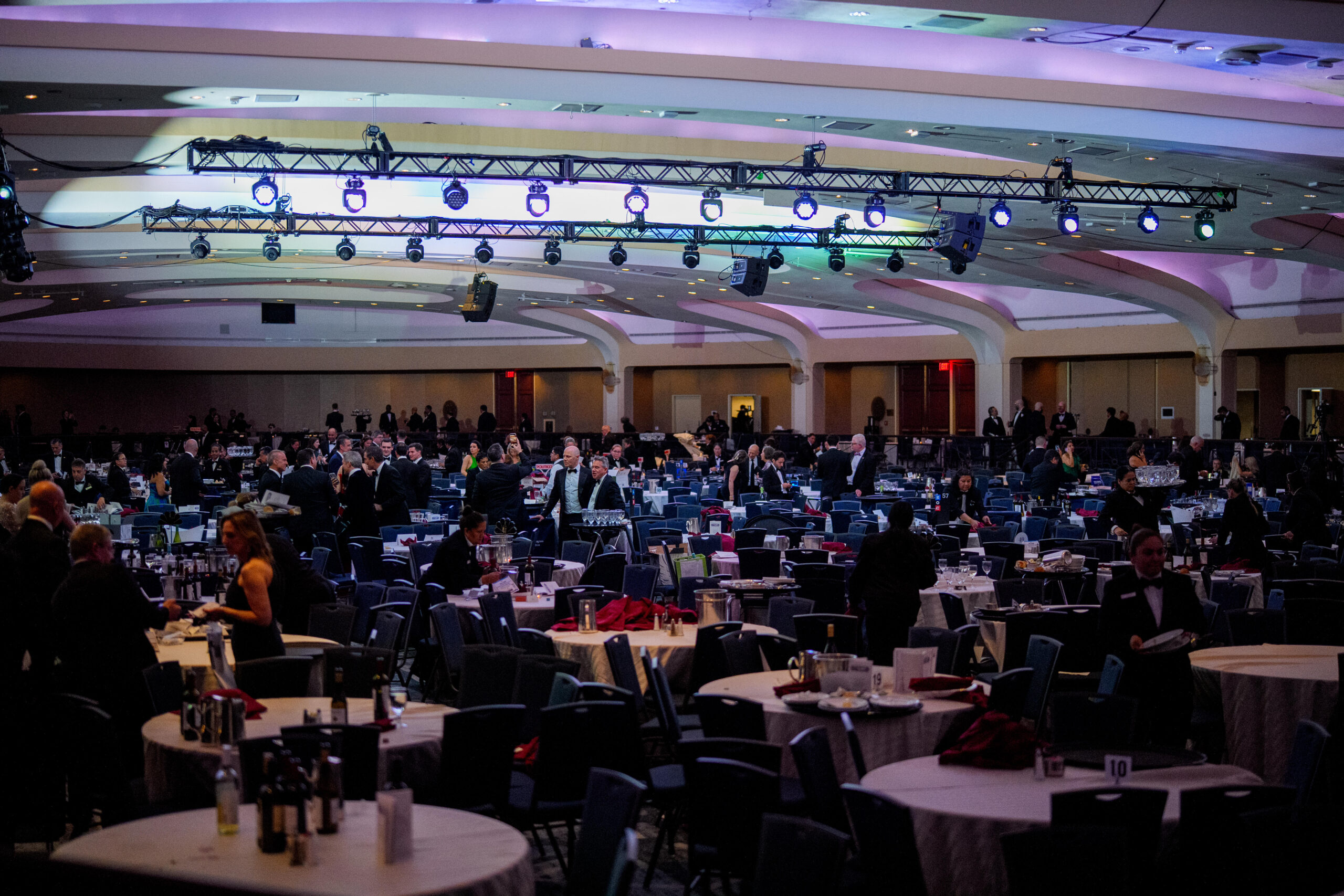
In what has become one of the most scrutinized security incidents in recent memory, a CBS News visual investigation has uncovered troubling new details about an alleged assassination attempt targeting President Trump during this year’s White House Correspondents’ Dinner. The investigation, which relies heavily on video analysis and timeline reconstruction, paints a picture of a security situation that may have been more serious—and more preventable—than initially reported. What makes this case particularly compelling is not just the nature of the alleged threat itself, but the series of apparent security lapses that allowed the situation to develop in the first place. The dinner, traditionally a lighthearted evening where politicians and journalists gather for speeches and entertainment, instead became the backdrop for a serious security investigation that has raised questions about protection protocols at high-profile events.
The visual evidence examined by CBS News reveals several concerning elements that security experts say should never have occurred. Most notably, investigators discovered that a security camera that should have captured critical footage of the suspect’s movements was mysteriously blocked during a crucial period. Additionally, there exists a 13-minute gap in the security timeline—a window of time during which the suspect’s activities remain unclear and largely undocumented. These findings have prompted serious questions about whether existing security measures are adequate for protecting the President at public events, even those attended primarily by credentialed journalists and guests who have undergone background checks. The investigation suggests that while the threat was ultimately neutralized without harm to the President or attendees, the incident exposed vulnerabilities that could potentially be exploited in future situations.
The 13-Minute Gap and What It Means
The 13-minute gap in the security timeline has become a focal point of the investigation and a source of considerable concern among security professionals. During this critical period, investigators have been unable to establish with complete certainty what the suspect was doing, where exactly they were positioned, or whether they had contact with any other individuals. This type of gap in security documentation is particularly troubling because it represents a window during which a threat could have been developing undetected. Security experts interviewed about the incident have emphasized that comprehensive, continuous surveillance is essential at events where the President is present, and any break in that surveillance creates potential vulnerabilities that could be exploited by those with malicious intent.
The gap raises several important questions that investigators are still working to answer. How did the suspect use this time? Were they conducting reconnaissance of the venue? Were they positioning themselves for an attack? Or were they communicating with potential accomplices? The inability to answer these questions definitively has frustrated investigators and highlighted the importance of redundant security systems. In the modern security environment, experts argue, there should be multiple overlapping systems—cameras, human observation, electronic monitoring, and other technologies—that ensure no such gaps can occur. The fact that this 13-minute period remains somewhat mysterious suggests that those redundancies may not have been fully in place or properly coordinated during the White House Correspondents’ Dinner.
The Blocked Camera: Accident or Intentional Act?
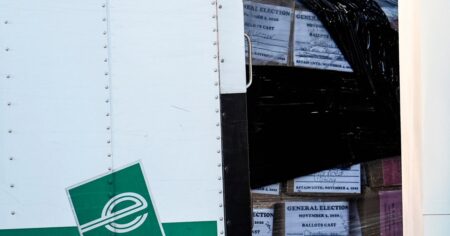
Perhaps even more concerning than the time gap is the revelation that a security camera was blocked during a portion of the evening. The CBS News investigation has not yet definitively determined whether this camera obstruction was accidental, the result of negligence, or a deliberate act intended to create a blind spot in the security coverage. Each of these possibilities carries different implications for how the security failure should be addressed. If the camera was accidentally blocked—perhaps by equipment, decorations, or people standing in the wrong position—it would suggest a need for better planning and monitoring of camera sight lines during events. If it resulted from negligence, with security personnel failing to notice or correct the obstruction, it would indicate training and oversight issues that need to be addressed.
The most troubling possibility, however, is that the camera was intentionally blocked as part of a coordinated plan to create an opportunity for the attack. If this proves to be the case, it would suggest a level of sophistication and planning that goes beyond a lone actor and potentially indicates conspiracy or coordination. Investigators are reportedly examining all footage from the evening, interviewing attendees and security personnel, and analyzing the physical positioning of cameras and potential obstructions to determine exactly how and why this camera failure occurred. The findings of this aspect of the investigation could have significant implications not just for this case, but for security protocols at similar events going forward. Security professionals are already discussing whether camera monitoring systems need to include real-time alerts that notify security personnel immediately when a camera’s view becomes obstructed, allowing for immediate investigation and correction.
Broader Implications for Presidential Security
This incident, regardless of how close the threat actually came to being realized, serves as a stark reminder of the constant dangers faced by presidents and other high-level officials. The White House Correspondents’ Dinner is generally considered a relatively controlled environment—attendees must be credentialed, the venue is secured in advance, and multiple layers of security are present. If vulnerabilities can exist in such a setting, it raises questions about security at less controlled events, from campaign rallies to international summits. Security experts note that protecting the President requires a delicate balance between ensuring safety and maintaining the accessibility that is important in a democratic society. The President needs to be able to appear in public, interact with citizens and journalists, and conduct the business of governing without being completely isolated behind impenetrable security barriers.
However, this incident suggests that the balance may need to be recalibrated. The combination of the blocked camera and the 13-minute gap indicates that current security measures, while extensive, may not be comprehensive enough to address all potential threats. This is particularly true in an era when threats can come from many directions—not just from traditional security concerns, but potentially from insiders, from sophisticated foreign actors, or from individuals who may have found ways to circumvent screening procedures. The investigation is likely to result in recommendations for enhanced security protocols, possibly including additional layers of surveillance, more rigorous credential verification, enhanced training for security personnel, and better integration of the various security agencies that share responsibility for protecting the President. These changes, while potentially inconvenient and costly, are necessary to ensure that similar vulnerabilities don’t exist at future events.
The Investigation Continues
As the CBS News investigation continues to unfold, more details are likely to emerge about exactly what happened that evening, who was involved, and how close the alleged threat actually came to being realized. Federal authorities, including the Secret Service and FBI, are conducting their own parallel investigations, and the findings from all of these inquiries will be crucial in understanding both the specific incident and the broader security implications. Investigators are reportedly conducting extensive interviews with everyone who was present at the dinner, reviewing all available footage from multiple sources (not just official security cameras, but also video captured by attendees on phones and other devices), and reconstructing the timeline of events minute by minute.
The suspect, whose identity has not been publicly released, is presumably in custody and being questioned, though details about what they have told investigators remain confidential as the investigation proceeds. Understanding the suspect’s motives, methods, and whether they acted alone or as part of a broader plot will be essential to determining how the security failures occurred and how they can be prevented in the future. The American public, while not privy to all the details of ongoing security investigations, deserves assurance that everything possible is being done to protect their elected leaders while also maintaining the transparency and accessibility that are hallmarks of democratic governance. As more information becomes available, it will be important for authorities to share what they can with the public, balancing the need for security with the public’s right to understand threats to their government and leaders.
Moving Forward: Lessons and Changes
The alleged assassination attempt at the White House Correspondents’ Dinner, particularly the security lapses that the CBS News investigation has revealed, will undoubtedly lead to significant changes in how such events are secured in the future. Security is an ever-evolving field, with threats constantly changing and those responsible for protection needing to adapt their methods accordingly. This incident provides a clear example of areas where improvements are needed, from ensuring comprehensive camera coverage without gaps or blind spots, to maintaining detailed timelines that account for every moment of an event, to potentially rethinking how venues are secured and how attendees are screened and monitored.
The goal of all these efforts must be to ensure that while the President and other officials can still engage with the public and the press in meaningful ways, they can do so with confidence that every reasonable security measure has been taken. The American system of government depends on leaders who are accessible and accountable, but those leaders cannot fulfill their duties if they are not safe. Finding the right balance between security and accessibility is challenging, but incidents like this one demonstrate why it is so important. As the investigation continues and recommendations are developed and implemented, the hope is that lessons learned from this frightening incident will result in better protection for presidents, officials, and the public at large, ensuring that such security failures do not occur again.